

Mature Hairline vs. Receding Hairline: Is It Normal Aging or The Start of Balding?
Many men quietly compare old photos before searching mature vs receding hairline online. The concern usually starts small. A sharper temple corner. More forehead in bathroom lighting. A haircut that suddenly feels different. Sometimes that change is completely normal. Sometimes it signals early hair loss. That distinction matters more than most people realize.
A mature hairline often develops gradually between the late teens and early 30s. It usually stabilizes. A receding hairline, however, tends to continue moving backward over time and may indicate male pattern baldness hairline progression.
The difficult part is this: early stages can look very similar. Many men assume they are balding too early. Others ignore genuine warning signs for years. We see both situations regularly at Hermest Hair Transplant Clinic.
According to the American Academy of Dermatology, male pattern hair loss often begins with frontal recession around the temples or thinning at the crown. The process can progress slowly over many years.
That is why understanding patterns matters more than panic.
Dr. Ahmet Murat says many patients arrive convinced they are “already bald” after noticing a normal mature transition. Others wait until the donor area becomes harder to manage. In his view, timing and accurate diagnosis shape the entire long-term outcome.
This guide explains:
- how to recognize a maturing hairline
- when temple changes suggest active recession
- what the Norwood scale actually means
- which treatments may help
- when a hair transplant becomes a realistic option
Quick Insights
- A mature hairline is often a normal age-related change.
- Progressive temple thinning may indicate androgenetic alopecia.
- Norwood 2 does not always mean active balding.
- Density behind the hairline matters more than shape alone.
- Early diagnosis improves long-term treatment planning.
- Hair transplants work best with stable loss patterns.
- Donor preservation is critical for natural long-term outcomes.
What Is a Mature Hairline?
A mature hairline is usually a normal age-related shift, not immediate balding. The juvenile hairline seen during adolescence often sits lower and flatter across the forehead. Over time, that line commonly moves slightly upward.
The change can feel dramatic at first. Especially in photos.
What does a mature hairline look like?
Most mature patterns create mild recession near both temples. The shape becomes softer and slightly “M-like”, yet density behind the hairline remains strong.
That last detail matters.
With a normal maturation process:
- hair thickness stays relatively stable
- the crown usually looks unchanged
- progression slows or stops
- miniaturized hairs remain limited
A true receding hairline behaves differently. Density weakens gradually. Temple corners deepen continuously. Fine miniaturized hairs become easier to spot under bright lighting.
At what age does a mature hairline appear?
For many men, subtle changes begin between ages 18 and 30. Genetics heavily influence timing.
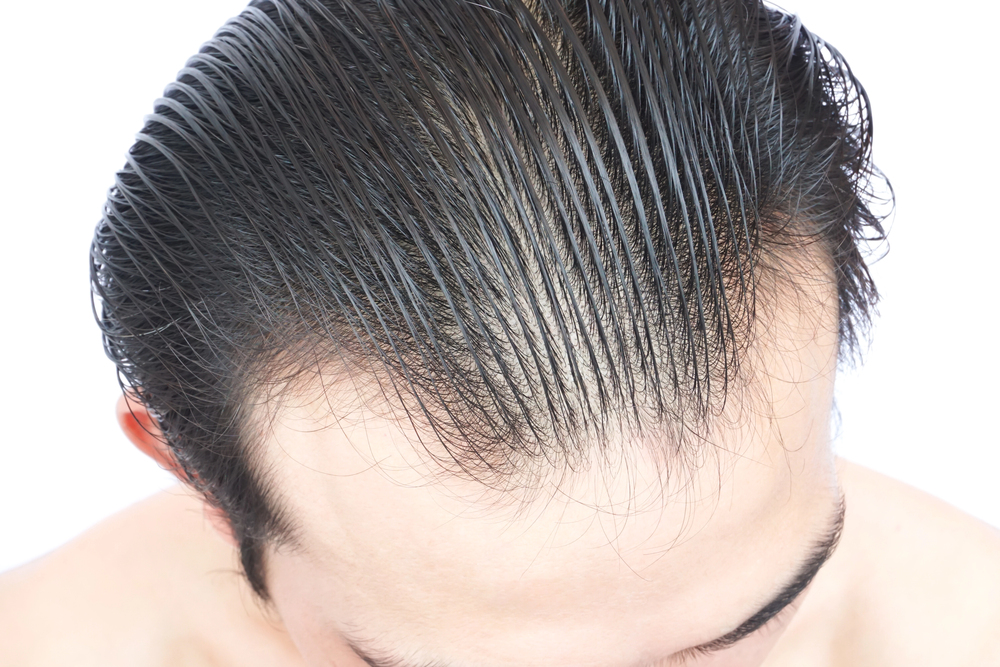
Mmale pattern hair loss frequently starts above the temples, forming an “M” shape over time. That overlap creates confusion, especially during early stages.
Not every elevated hairline means active hair loss.
Is a mature hairline a sign of balding?
Sometimes yes. Often no.
The key difference is progression.
A stable hairline over several years usually suggests maturation rather than aggressive loss. Rapid changes over months raise more concern.
This is where many oversimplify things. They focus only on shape. Real diagnosis involves density, donor quality, family history, crown examination, and long-term tracking.
Dr. Ahmet Murat says the biggest mistake is evaluating a hairline from a single mirror photo. At Hermest, we compare density zones, miniaturization patterns, donor stability, and temporal recession together before discussing treatment.
Some men naturally keep lower juvenile lines for decades. Others mature earlier without future balding. Genetics rarely follow perfect rules.
That uncertainty frustrates patients. Understandably.
What Is a Receding Hairline?
A receding hairline usually means the frontal hairline keeps moving backward over time. The process often starts subtly near the temples. Then the shape becomes deeper, thinner, and less defined.

Many men first notice it during styling. Not shedding.
That surprises people.
Hair loss linked to androgenetic alopecia often progresses gradually. You may lose density long before obvious bald spots appear. According to NIH StatPearls, male pattern hair loss commonly begins with bitemporal thinning and frontal recession.
The important word is progression.
What are the first signs of a receding hairline?
Early signs usually appear before major cosmetic change. Common clues include:
- thinner hairs around the temples
- increased forehead visibility
- uneven corners
- difficulty styling the front
- more scalp showing under bright lighting
Some men notice “see-through density” first. Others notice widening temple angles.
The crown matters too.
If frontal recession appears alongside crown thinning, the chance of active male pattern loss becomes higher.
Why do temples usually thin first?
Temple follicles tend to be more sensitive to DHT, the androgen linked to androgenetic alopecia. Over time, susceptible follicles shrink gradually. Hair strands become finer, shorter, and weaker.
This process is called miniaturization.
That is why some men still “have hair” technically, yet the hairline looks visibly weaker.
Can a receding hairline happen in your 20s?
Yes. Sometimes earlier.
According to British Association of Dermatologists, male pattern hair loss can begin during the late teens or twenties, particularly with strong family history.
Still, age alone does not confirm balding.
We often see younger patients panic after normal maturation. Others dismiss obvious progression for years. Both reactions delay good decisions.
Dr. Ahmet Murat says younger patients often focus only on lowering the hairline aggressively. He believes protecting donor reserves matters far more than chasing an artificially low frontal design at age 22.
At Hermest, long-term planning shapes every consultation. A hairline should still look natural fifteen years later. Not just immediately after surgery.
Mature Hairline vs Receding Hairline: Key Differences
This is the comparison most readers actually need. The challenge is that both patterns can look similar during early stages.
The difference usually becomes clearer with time, density analysis, and progression tracking.
A mature hairline tends to stabilize. A receding hairline continues evolving.
That sounds simple. Real cases rarely are.
How does a mature hairline differ from active recession?
Here are the biggest distinctions doctors evaluate during examination:
| Feature | Mature Hairline | Receding Hairline |
|---|---|---|
| Temple change | Mild and symmetrical | Often deeper over time |
| Density behind line | Mostly stable | Gradual thinning |
| Progression | Slows or stops | Continues progressively |
| Crown involvement | Usually absent | May appear later |
| Miniaturized hairs | Limited | Common |
| Hair texture | Thick and stable | Finer and weaker |
| Age pattern | Late teens to 30s | Any adult age |
One overlooked clue is consistency.
With a maturing hairline, the frontal edge may shift slightly upward but remain dense. With active recession, the front often looks “diffuse” or irregular under direct lighting.
Is Norwood 2 always balding?
No. This is one of the internet’s most misunderstood topics.
Many men with mild temple recession technically fit early Norwood classifications without developing aggressive baldness. A Norwood scale stage is not a guaranteed prediction.
Progression matters more.
This section is missing from many competitor articles. They oversimplify Norwood 2 as either “normal” or “balding”. Reality sits somewhere between.
Dr. Ahmet Murat says hairline assessment should never rely on a Norwood number alone. At Hermest, donor density, family history, scalp examination, and miniaturization mapping guide decisions more accurately than charts alone.
Some patients remain stable for decades. Others progress quickly within several years. That uncertainty is exactly why proper monitoring matters.
How Can You Tell If Your Hairline Is Receding?
Most men do not notice hairline changes overnight. The shift usually appears gradually through photos, mirrors, or changing hairstyles.
Then comes the search spiral.
You compare angles. Lighting. Old selfies. Family members. Sometimes daily.
A better approach is structured observation.
Compare photos from the same angle
This sounds obvious, yet very few people do it correctly.
Different lighting completely changes how density appears. Wet hair creates false alarms too. Compare photos:
- under similar lighting
- with dry hair
- from identical angles
- every 3 to 6 months
Tracking progression matters more than obsessing daily.
A stable pattern over years often points toward a mature hairline. Ongoing backward movement suggests hairline recession.
Check density behind the frontal line
Many men focus only on the edge itself. Doctors look behind it too.
A healthy mature transition usually keeps strong density immediately behind the frontal border. A receding pattern often reveals:
- finer hairs
- patchier density
- increased scalp visibility
- uneven texture
Miniaturization becomes one of the strongest clues.
According to NIH StatPearls, androgenetic alopecia gradually shrinks susceptible follicles over time, producing thinner and shorter hairs.
Look for crown thinning too
Many discuss only temples. Yet crown thinning alongside frontal recession strongly increases suspicion for male pattern loss.
A quick mirror check rarely catches this early.
That is why scalp imaging and density mapping help during professional consultations.
Track changes before making treatment decisions
Panic-driven treatment often creates unnecessary mistakes.
Some men begin medications immediately without confirming progression. Others wait too long and lose transplant planning flexibility.
Dr. Ahmet Murat says early diagnosis matters more than early surgery. At Hermest, patients showing mild recession often start with monitoring, stabilization strategies, and donor preservation planning before discussing transplantation.
A careful timeline usually reveals the truth faster than emotional mirror checks.
Mature Hairline vs Norwood 2: Are They the Same?
This question confuses thousands of men every month. Understandably.
Many people search mature hairline vs Norwood 2 after noticing mild temple recession online. Then they find conflicting opinions everywhere.
Some forums call it normal maturation. Others call it inevitable balding.
Neither answer is universally correct.
What does Norwood 2 actually mean?
The Norwood scale measures male pattern hair loss progression. Norwood 2 usually describes mild triangular recession around the temples.
The important detail: the scale describes appearance. Not future destiny.
Some men remain stable at this stage for decades. Others continue progressing steadily into advanced loss patterns.
That distinction rarely gets explained properly.
Why Norwood 2 can resemble a mature hairline
A naturally maturing hairline often creates slight temporal recession too. The frontal shape becomes less rounded and more adult-looking.
From the front, both patterns may appear nearly identical.
The difference appears in:
- progression speed
- miniaturization
- density quality
- crown involvement
- family history
This is why self-diagnosis becomes difficult from photos alone.
When mild recession becomes more concerning
Certain signs deserve closer evaluation:
- visible thinning behind temples
- widening recession within months
- increased scalp visibility
- crown thinning
- family history of aggressive balding
Androgenetic alopecia commonly progresses gradually over time, especially in genetically susceptible individuals.
That progression component matters most.
Dr. Ahmet Murat says many younger patients obsess over “Norwood numbers” instead of stability. At Hermest, long-term donor management and future hair loss prediction shape planning far more than labels alone.
A mature hairline should still fit your face naturally as you age. That perspective changes treatment decisions completely.
What Causes a Receding Hairline?
Most cases of frontal recession come down to genetics and hormone sensitivity. Yet the process is more nuanced than many people think.
Hair does not suddenly “fall out”. Follicles gradually shrink over time.
This is why early changes can feel confusing.
A man may technically still have hair coverage, but the strands become thinner, weaker, and less visible. The transformation often happens slowly enough that people around him barely notice at first.
How does DHT affect the hairline?
The main driver behind male pattern baldness hairline recession is usually DHT, or dihydrotestosterone.
Some follicles are genetically sensitive to this hormone. Over time, DHT shortens the growth phase of susceptible hairs. The follicles miniaturize gradually until visible density declines.
Temple areas are especially vulnerable.
Androgenetic alopecia affects a large percentage of men by age 50 and commonly begins with frontal and temporal recession.
That process can begin surprisingly early.
Can stress cause a receding hairline?
Stress can increase shedding temporarily, but it usually does not create classic patterned recession alone.
This distinction matters.
Stress-related shedding often appears diffuse across the scalp. A true receding hairline tends to follow predictable temple patterns linked to androgenetic alopecia.
Still, chronic stress may worsen existing hair loss indirectly through inflammation, sleep disruption, and hormonal shifts.
Are lifestyle habits responsible?
Lifestyle influences scalp health more than genetics.
Poor nutrition, smoking, crash dieting, and chronic inflammation may accelerate visible thinning in genetically predisposed individuals. Yet they rarely explain classic temple recession by themselves.
This is another area where internet advice becomes misleading.
Many viral “hairline recovery” claims oversimplify the biology. Oils, massages, and supplements may improve scalp condition modestly, but they usually cannot reverse significant follicle miniaturization alone.
Dr. Ahmet Murat says patients often blame shampoo, hats, or stress exclusively. In his experience, the biggest factor is usually inherited follicle sensitivity combined with gradual progression over years.
At Hermest, scalp analysis focuses on identifying active miniaturization early. The sooner progression is understood, the more realistic the treatment planning becomes.
Can You Stop a Receding Hairline?
Sometimes you can slow progression significantly. Sometimes stabilization becomes harder. Timing changes everything.
This is why early evaluation matters more than miracle products.
A common misconception exists online: people assume every treatment regrows lost hairlines completely. Real medical treatment aims first to preserve existing follicles.
Regrowth comes second.
Does minoxidil help temple recession?
Minoxidil may help some patients maintain or improve density, especially during earlier stages. Response varies considerably.

Some men notice thicker miniaturized hairs within several months. Others experience limited frontal improvement.
Consistency matters more than intensity.
Stopping treatment often leads to gradual loss of maintained gains over time.
Can finasteride stop hairline recession?
For many men, finasteride remains one of the most studied treatments for androgenetic alopecia.
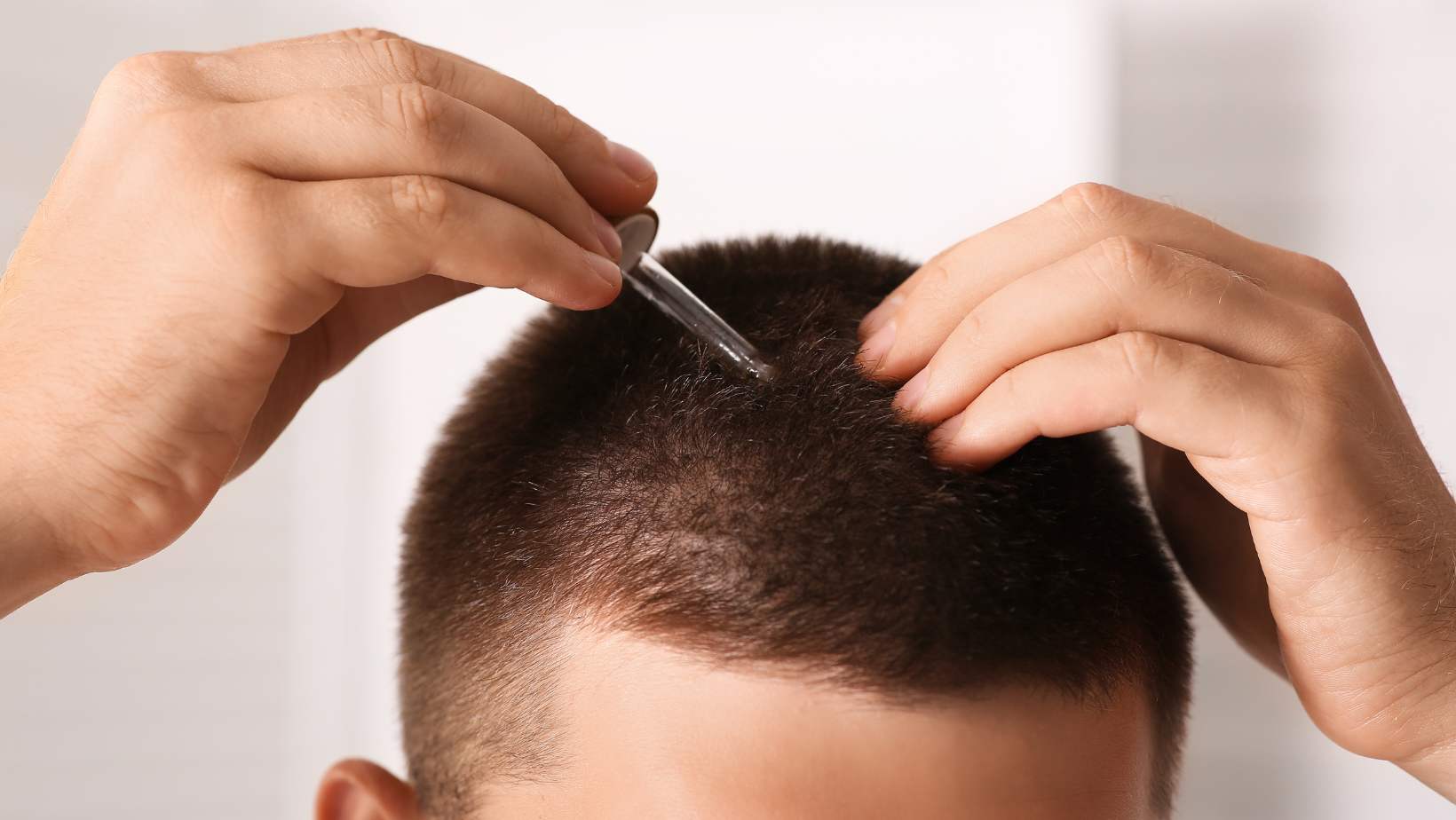
According to the FDA-approved Propecia label, finasteride is approved for male pattern hair loss treatment in men. Its goal is stabilization and slowing progression.
Temple regrowth varies individually.
This nuance gets ignored frequently online.
Some patients achieve visible thickening. Others mainly preserve remaining density. Expectations should stay realistic from the beginning.
What about PRP, exosomes, and supportive therapies?
Supportive therapies may improve scalp environment and strengthen weakened follicles in selected patients.

At Hermest, treatments such as PRP, exosome support, and regenerative protocols are usually considered complementary. Not magical replacements for medical stabilization.
When is surgery too early?
A hair transplant performed before hair loss stabilizes can create unnatural long-term patterns. Lowering the hairline aggressively in younger patients may exhaust donor reserves prematurely.
Dr. Ahmet Murat says the best hair transplant should still look natural at age 45, not only at age 25. His planning philosophy prioritizes donor preservation, future recession patterns, and age-appropriate density.
Smart treatment plans think decades ahead. Not just the next six months.
When Is a Hair Transplant Right for a Receding Hairline?
A hair transplant can produce natural, long-lasting improvement when timing and planning are correct. The problem is that many patients focus only on lowering the hairline.

That is rarely the hardest part.
The real challenge is creating a design that still looks believable years later as surrounding hair changes naturally.
This is where experienced planning matters enormously.
Who is usually a good candidate?
Not every patient with temple recession needs surgery immediately.
In many cases, ideal candidates show:
- relatively stable hair loss
- healthy donor density
- realistic expectations
- consistent recession patterns
- limited active shedding
A transplant works best when doctors can reasonably predict future progression.
Patients in their early 20s sometimes rush toward surgery emotionally. That hesitation from ethical clinics exists for a reason.
Why donor management matters
This is one of the most overlooked parts of online hair transplant discussions.
The donor area is finite.
Every graft used today affects future flexibility. Overharvesting early can create visible thinning later, especially if hair loss progresses aggressively.
At Hermest Hair Clinic, donor preservation plays a major role during planning. Techniques like Unique FUE® focus on controlled extraction patterns, natural angulation, and long-term aesthetic balance.
The goal is not simply “more grafts”.
The goal is sustainable naturalness.
What makes a hairline look natural?
Natural hairlines rarely look perfectly straight or unnaturally dense. Age, facial proportions, ethnicity, donor capacity, and future recession risk all influence design decisions.
This is another area where social media creates unrealistic expectations.
Extremely low hairlines may look impressive temporarily. Years later, they often appear artificial if surrounding native hair continues thinning.
Dr. Ahmet Murat says conservative planning often creates the strongest long-term result. At Hermest, hairline design considers facial aging, donor reserves, and future recession scenarios before graft placement begins.
A good transplant should not immediately look “transplanted.” It should look like your own hair simply returned naturally.
That difference changes everything.
When Should You See a Hair Specialist?
Many men wait too long before getting proper evaluation. Others panic after normal maturation and assume the worst immediately.
Both situations create unnecessary stress.
The better approach is simple: monitor intelligently and investigate persistent progression early.
Which signs deserve professional evaluation?
Certain changes suggest active androgenetic alopecia more strongly than normal maturation:
- visible crown thinning
- widening temple recession
- miniaturized frontal hairs
- increased scalp visibility
- accelerated shedding
- strong family history
- uneven density patterns
Rapid progression matters especially.
A stable mature hairline rarely changes dramatically within several months. Faster changes deserve closer examination.
Could another condition mimic a receding hairline?
Yes. This is another area competitors barely discuss.
Not all frontal thinning equals classic male pattern loss.
Doctors may also evaluate:
- telogen effluvium
- traction-related loss
- inflammatory scalp conditions
- autoimmune disorders
- nutritional deficiencies
According to American Academy of Dermatology, different forms of hair loss can overlap visually during early stages.
That is why diagnosis matters before treatment decisions.
What happens during a proper consultation?
At Hermest, evaluation usually includes:
- donor density assessment
- scalp examination
- miniaturization analysis
- recession pattern review
- family-history discussion
- long-term progression planning
The conversation matters as much as the procedure itself.
Dr. Ahmet Murat says many patients seek certainty when hair loss rarely behaves with perfect predictability. His approach focuses on identifying realistic progression patterns first, then building conservative long-term strategies around them.
The earlier you understand your pattern, the more options usually remain available.
FAQs About Mature and Receding Hairlines
How do I know if my hairline is mature or receding?
A mature hairline usually stabilizes after mild temple recession and keeps good density behind the frontal line. A receding hairline tends to continue moving backward gradually and often shows thinning, miniaturized hairs, or crown involvement. Tracking changes with photos every few months helps far more than daily mirror checks.
Is a mature hairline normal?
Yes. Many men naturally develop a slightly higher adult hairline between their late teens and early 30s. This does not automatically mean balding. Frontal hairline changes can occur gradually with age and genetics.
Can a mature hairline turn into a receding hairline later?
Yes, sometimes. A stable mature pattern can remain unchanged for decades, but some men later develop androgenetic alopecia and progressive recession. Genetics, hormone sensitivity, and age all influence progression.
Is Norwood 2 always balding?
No. Norwood 2 simply describes mild temple recession. Some men remain stable at this stage permanently, while others continue progressing. Density quality, miniaturization, and crown changes provide more meaningful clues than the Norwood number alone.
Can stress cause a receding hairline?
Stress may increase temporary shedding, especially through telogen effluvium, but it usually does not create classic patterned recession by itself. True male pattern baldness hairline loss typically involves genetic DHT sensitivity over time.
Does minoxidil work for temple recession?
Sometimes. Minoxidil may improve density and prolong growth cycles in certain patients, particularly during earlier stages. Temple response varies significantly between individuals, and consistent long-term use matters.
Can finasteride stop hairline recession?
Finasteride may slow or stabilize androgenetic alopecia in many men. According to the FDA-approved Propecia label, it is approved for male pattern hair loss treatment. Results vary depending on genetics, age, and progression stage.
When is a hair transplant too early?
Hair transplantation may be premature when recession patterns remain unstable or aggressive. Younger patients sometimes continue losing native hair rapidly after surgery, which can create unnatural appearance later if donor reserves were overused early.
Can women develop a receding hairline?
Yes, though female hair loss patterns often appear more diffuse than male temple recession. Hormonal changes, genetics, traction hairstyles, and certain medical conditions may contribute to frontal thinning in women.
What is the best age for a hair transplant?
There is no perfect universal age. Doctors usually evaluate stability, donor quality, progression risk, and long-term planning instead of age alone. Conservative planning generally produces stronger long-term outcomes.
Worried Your Hairline Is Changing?
A slightly higher hairline can be completely normal. Progressive thinning is different. The challenge is knowing which one you are actually seeing.

At Hermest Hair Transplant Clinic, Dr. Ahmet Murat and the team evaluate:
- temple recession patterns
- donor area quality
- miniaturized hairs
- crown density
- long-term hair loss risk
The goal is not simply lowering the hairline. It is creating a natural result that still looks balanced years later.
Whether you are noticing early temple changes or researching a possible hair transplant, a professional assessment can help you understand what is really happening before unnecessary progression occurs.
Dr. Ahmet Murat says the best hair restoration plans begin with accurate diagnosis, not rushed surgery. Protecting donor reserves and predicting future loss patterns remain central to every consultation at Hermest.
Book your hair analysis with Hermest and learn whether your hairline is maturing normally or showing signs of active recession.