


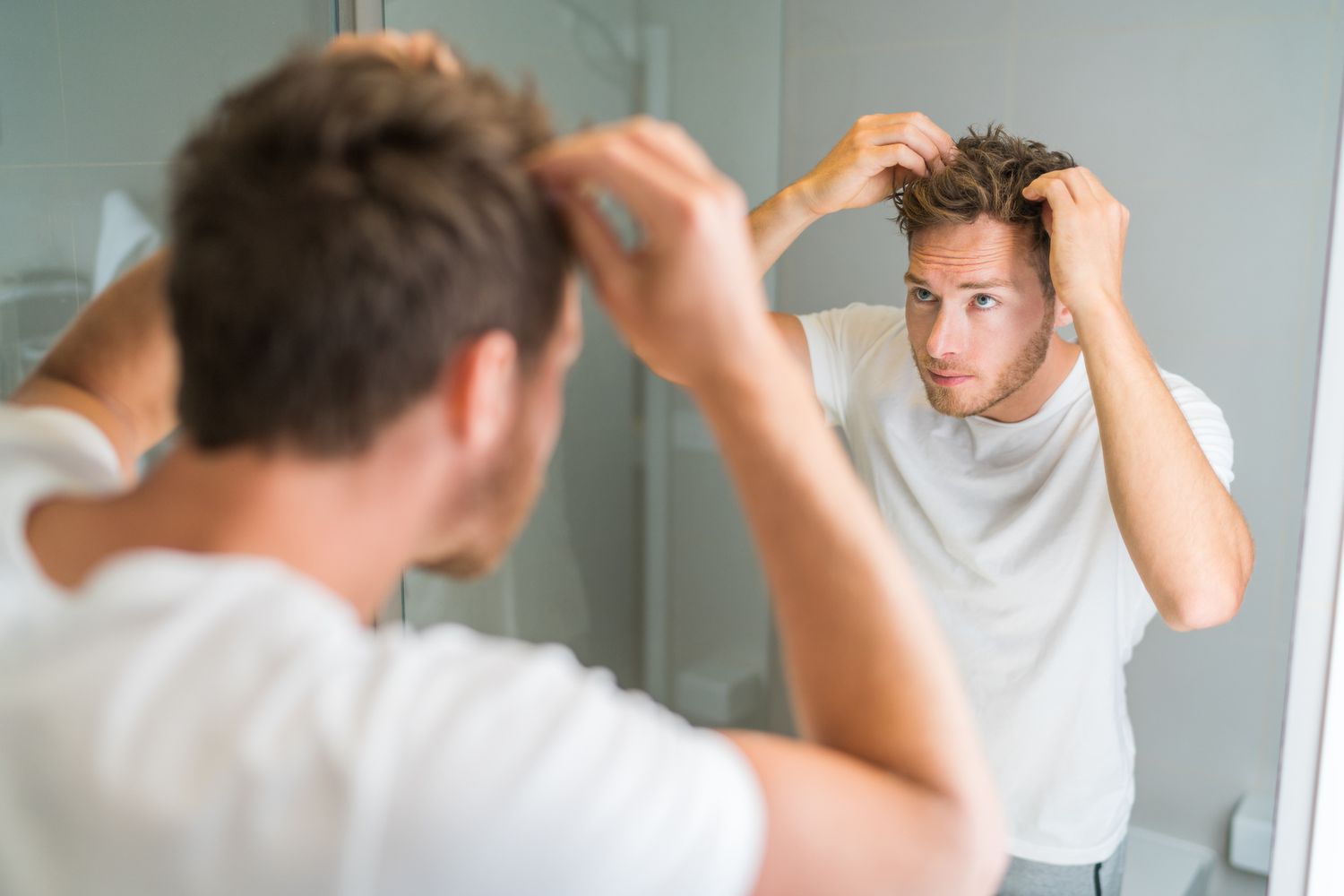
Does Creatine Cause Hair Loss? Science, DHT & Hair Health
Creatine is one of the most widely used supplements for improving strength, endurance, and muscle recovery. But alongside its popularity, a recurring concern keeps surfacing: does creatine cause hair loss? Some athletes and gym-goers worry that creatine could accelerate balding by raising DHT (dihydrotestosterone) levels, a hormone strongly linked to androgenetic alopecia.
The truth is more nuanced. While one early study suggested a possible connection between creatine hair loss DHT spikes and thinning hair, most research has since failed to find any clear link. To date, no clinical trials have proven that creatine damages hair follicles or directly causes baldness.
Still, the discussion remains active because:
- Genetics play a key role in hair loss, making some people more cautious.
- Supplements that influence hormones raise natural concerns about side effects.
- Many young men who start creatine are also in the age range when creatine hair thinning might coincide with genetically programmed balding.
This article takes a closer look at:
- How hair loss actually works and the role of DHT.
- What science really says about creatine and hair loss.
- The findings from the 2009 rugby study vs newer research.
- How creatine might affect hair indirectly through hormones and lifestyle.
- Practical advice for those worried about hair health while supplementing.
By the end, you’ll have evidence-based clarity on whether creatine should be a concern for your hair — or whether it’s just another supplement myth.
Quick Insights
- The connection between creatine and hair loss comes mainly from one small 2009 study that reported higher DHT levels, but it did not measure hair density or hair follicles directly.
- Larger, more recent studies — including a 2025 clinical trial — show no association between creatine use and hair thinning or follicle damage.
- Genetics and DHT sensitivity remain the primary drivers of androgenetic alopecia, not creatine supplementation.
- Some anecdotal shedding reports are more likely coincidences, as many men begin creatine use at the same age their genetic hair loss starts.
- Safe practices — correct dosing, quality supplements, and scalp care — allow people to enjoy creatine’s performance benefits without worrying about creatine hair loss DHT risks.
How Hair Loss Works: The Role of DHT and Hair Follicles
To understand the debate around creatine and hair loss, it’s important to first know how male and female pattern baldness develops. The most common form of hair loss, androgenetic alopecia, is primarily influenced by genetics and hormones — particularly dihydrotestosterone (DHT).
What is DHT?
- DHT is a byproduct of testosterone, created when the enzyme 5-alpha reductase converts testosterone into this more potent form.
- In genetically susceptible individuals, DHT binds to androgen receptors in the scalp’s hair follicles, gradually shrinking them.
- Over time, this process leads to thinner, shorter hairs until the follicle can no longer produce visible hair — a pattern commonly referred to as hair thinning or balding.
How DHT Causes Hair Loss
- Follicle Sensitivity: Not everyone is equally affected. Some men with high DHT keep their hair, while others with average levels lose it quickly. The difference lies in how sensitive their hair follicles are to DHT.
- Miniaturization: As follicles shrink, growth cycles shorten. Hair becomes finer and falls out more easily.
- Progression: Without treatment, balding typically advances in recognizable stages (Norwood scale in men, Ludwig scale in women).
Why Creatine Gets Blamed
The concern about creatine DHT hair loss stems from the idea that creatine supplementation may increase DHT levels, potentially accelerating this miniaturization process in predisposed individuals.
- A single small study suggested creatine could raise DHT in athletes.
- This raised alarm that supplementing might influence hair cycles in people already prone to androgenetic alopecia.
- However, subsequent research has not consistently replicated these findings.
In simple terms: DHT drives genetic hair loss, but whether creatine meaningfully increases DHT enough to affect hair follicles is still debated.
Hair loss is primarily a genetic and hormonal issue. While DHT is the main culprit, the question is whether creatine significantly impacts DHT in a way that worsens creatine hair thinning — a topic we’ll explore with scientific studies in the next section.
The Link Between Creatine and DHT
The controversy around creatine and hair loss largely comes from one study published in 2009. Researchers followed a group of rugby players who supplemented with creatine for three weeks. The results showed an increase in DHT levels by about 40% compared to baseline. This sparked the concern that creatine might raise creatine hair loss DHT risks for those predisposed to baldness.
Breaking Down the 2009 Study
- Sample Size: Only 20 male athletes were studied — far too small to draw universal conclusions.
- Duration: Just 3 weeks of supplementation, which doesn’t reflect long-term use.
- Limitations: The study did not measure actual hair follicles or hair density, only blood hormone levels.
What Other Research Shows
Since then, multiple studies have looked at creatine’s effects on hormones. The majority found:
- No significant changes in testosterone or DHT.
- No direct evidence of accelerated creatine hair thinning.
- Benefits of creatine (strength, recovery, endurance) without measurable hair-related side effects.
For example, a 2025 randomized clinical trial reported no negative impact of creatine on hair follicles or shedding, directly addressing the myth.
Why the Debate Continues
- The rugby study remains the only one suggesting a creatine–DHT connection.
- Fitness forums and anecdotal reports sometimes link creatine with hair shedding — though this often coincides with the age when genetic hair loss typically begins.
- Misinterpretations have fueled the belief that creatine inevitably leads to baldness.
Dr. Ahmet Murat explains:
“Patients often ask whether creatine will make them bald. Scientifically, there’s no strong evidence for that. What we do know is that genetics and DHT sensitivity are the real drivers. At Hermest, when patients express concern, we emphasize monitoring and provide safe, evidence-based guidance. We understand these fears, and that’s why we address them carefully.”
The scientific evidence linking creatine to increased DHT — and therefore hair loss — is weak and based mainly on one small study. Larger, controlled trials suggest creatine is unlikely to cause significant changes in hair health.
What Studies Reveal About Creatine and Hair Loss
The conversation about creatine and hair loss hinges on scientific research. Let’s examine the evidence, from the much-cited 2009 study to the most recent clinical trials.
The 2009 Rugby Study
- Design: 20 male rugby players took creatine for three weeks (loading + maintenance).
- Finding: DHT levels rose by ~40% in the creatine group.
- Problem: The study never measured hair density, follicle size, or actual creatine effect on hair. It only tracked hormones.
- Limitation: Small sample, short duration, and no replication in larger trials.
Despite these weaknesses, this study created the enduring link between creatine DHT hair loss concerns and supplement use.
Follow-Up Research
Subsequent studies with larger groups tested creatine’s effects on testosterone and DHT. The results consistently showed:
- No significant rise in DHT levels.
- No negative changes in hair follicles.
- Improved physical performance with no sign of accelerated shedding.
A 2025 randomized clinical trial went further: it directly evaluated hair density and hair follicles before and after supplementation. The outcome? No association between creatine use and creatine hair thinning.
Why Anecdotes Differ
Some individuals report noticing shedding after starting creatine. However:
- This often overlaps with the age when genetic hair loss (androgenetic alopecia) begins.
- Correlation is mistaken for causation.
- Intense training, stress, or diet changes (common among creatine users) may also influence shedding.
Expert Perspective
Dr. Ahmet Murat comments:
“The 2009 study raised valid questions, but science has to move beyond one trial. Larger and more recent research has shown creatine does not harm hair follicles or accelerate baldness. At Hermest, when patients with genetic risk ask about supplements, we guide them with facts — not fears. We know hair concerns are emotional, and we treat them with the seriousness they deserve.”
While early data suggested a possible hormonal effect, modern evidence strongly indicates creatine does not cause hair loss. Genetics, DHT sensitivity, and lifestyle factors remain the primary causes of thinning hair — not creatine itself.
Expert Insights & Debunking Misconceptions

When it comes to creatine and hair loss, much of the concern comes from myths repeated online rather than solid science. Fitness forums and anecdotal stories often exaggerate the risks, making people fear supplementation unnecessarily.
Common Misconceptions
- “Creatine causes baldness.” – There is no direct evidence that creatine damages hair follicles or accelerates genetic hair thinning.
- “One study proved it.” – The 2009 rugby study only measured hormone levels, not actual hair density, and has never been replicated in larger trials.
- “Everyone who takes creatine risks hair loss.” – Hair shedding is mostly driven by genetics, age, and DHT sensitivity — not by creatine use itself.
What Experts Say
- Dermatologists emphasize that DHT sensitivity, not creatine, is the key factor in androgenetic alopecia.
- Sports nutritionists point out that creatine is one of the safest and most studied supplements, with benefits far outweighing speculative risks.
- Recent clinical data reinforces that creatine supplementation does not alter testosterone or DHT in a way that harms hair.
Dr. Ahmet Murat explains:
“We often meet patients who worry about creatine hair loss DHT concerns after reading forums. I tell them the evidence simply isn’t there. At Hermest, our approach is to educate — genetics and hormones are what drive hair thinning, not creatine. When patients feel heard and guided with facts, they’re reassured. We pay attention to these details because we know how much hair health means to people.”
Why the Myth Persists
- Timing: Many men begin taking creatine in their early 20s — the same age when genetic creatine hair thinning often starts to appear.
- Fear-based marketing: Some supplement companies use the myth to promote “hair-safe” alternatives.
- Lack of clear public awareness about what studies really say.
Experts agree: creatine does not cause hair loss. The misconception continues due to anecdotal overlap and an old, limited study. For most individuals, creatine remains a safe, effective supplement with no proven risk to hair follicles.
Who Should Be Cautious About Creatine and Hair Loss?
While evidence shows creatine is safe for most people, certain individuals may still want to be cautious about its potential relationship with hair follicles and DHT. This doesn’t mean they must avoid it entirely, but rather that awareness and monitoring are important.
1. People with a Family History of Baldness
- Those whose fathers, grandfathers, or brothers experienced early hair thinning are genetically predisposed to androgenetic alopecia.
- If they notice shedding after starting creatine, it’s more likely coincidence with genetic onset than a supplement effect.
2. Individuals Sensitive to DHT
- Some people’s hair follicles are more reactive to DHT, leading to faster creatine DHT hair loss progression if hormone levels rise even slightly.
- While creatine hasn’t been proven to elevate DHT consistently, genetically sensitive patients should stay aware.
3. Men in Their Early 20s
- This is the age when genetic balding often begins.
- Since many young men also start creatine during this time, it can create a false link between creatine and hair loss.
4. Patients Already Experiencing Hair Shedding
- If noticeable thinning is underway, creatine won’t be the root cause — but it could add anxiety.
- In such cases, medical evaluation for androgenetic alopecia or telogen effluvium is more important than blaming supplementation.
Expert Advice
Dr. Ahmet Murat advises:
“For patients with a strong family history of baldness, we recommend careful monitoring when starting supplements. If you’re worried about creatine effect on hair, track shedding patterns and consult a specialist. At Hermest, we remind patients that creatine itself isn’t the cause — but genetics and DHT sensitivity should be taken seriously. We understand these concerns and provide personalized guidance.”
If you’re in a high-risk group and still want to use creatine, maintain proper hair health: balanced nutrition, scalp care, and if needed, preventive treatments like finasteride or minoxidil under medical supervision.
Creatine doesn’t directly cause hair loss. However, individuals genetically predisposed to hair thinning or sensitive to DHT should approach supplementation with awareness, not fear.
Safe Use Tips: How to Take Creatine Without Worrying About Hair Health
For most people, creatine is one of the safest and most studied supplements in sports nutrition. Still, for those concerned about creatine and hair loss, there are practical ways to use it responsibly while protecting hair follicles.
1. Stick to Recommended Dosage
- Standard dosing: 3–5 grams daily.
- Avoid “megadoses” or prolonged loading phases — they won’t give faster gains but may cause unnecessary concern about side effects.
2. Choose High-Quality Creatine
- Opt for creatine monohydrate, the most researched form.
- Avoid blends with stimulants or unknown additives, which may cause stress that indirectly affects hair health.
3. Support Hair Health Nutritionally
- A diet rich in iron, zinc, vitamin D, and protein supports hair follicles and growth cycles.
- Stay hydrated, as dehydration from poor supplementation practices can make hair look weaker.
4. Monitor Your Hair
- If you’re genetically prone to creatine hair thinning, track changes in shedding using photos or apps.
- Compare before and after creatine use — this helps distinguish supplement effects from natural progression of androgenetic alopecia.
5. Manage DHT Concerns
- If worried about creatine DHT hair loss, consult a dermatologist about proven treatments like finasteride or minoxidil.
- Remember, creatine hasn’t been shown to significantly raise DHT, but genetic predisposition should be managed proactively.
6. Reduce Stress & Overtraining
- Intense training combined with poor recovery can cause telogen effluvium, leading to temporary shedding.
- Balance workouts, rest, and supplementation for both muscle and hair health.
Dr. Ahmet Murat comments:
“When patients ask how to protect their hair while using creatine, I tell them the solution is simple: use it correctly. Stick to science-backed doses, maintain scalp health, and address genetic risks if present. At Hermest, we reassure patients that creatine itself isn’t harmful to hair follicles — what matters most is proper care and awareness.”
Creatine doesn’t cause hair loss, but using it responsibly ensures peace of mind. Combine supplementation with healthy routines to protect both performance and hair.
Comparison Table: Creatine Studies vs Hair Loss Evidence
| Study / Source | Focus | Findings | Impact on Hair Follicles / Hair Loss |
|---|---|---|---|
| 2009 Rugby Study | Creatine supplementation & hormone levels | Reported ~40% rise in DHT after 3 weeks | Raised concerns about creatine hair loss DHT, but no hair density was measured |
| Follow-up Hormone Studies (2010–2020) | Testosterone and DHT levels after creatine use | No significant changes in hormone levels | No evidence linking creatine to hair thinning or follicle damage |
| 2025 Randomized Clinical Trial | Direct evaluation of creatine’s effect on hair | No association between creatine use and hair follicles or shedding | Strong evidence that creatine does not cause hair loss |
| Anecdotal Reports (Forums/Users) | Gym-goers noticing shedding after creatine use | Often coincides with age-related or genetic hair thinning | Suggests correlation, not causation |
| Dermatology Expert Reviews | Analysis of scientific studies | Confirm no proven link between creatine and hair loss | Genetics and DHT sensitivity are real drivers, not creatine |
Dr. Ahmet Murat notes:
“When we analyze evidence side by side, it becomes clear: one small study versus decades of research is not enough to claim creatine causes hair loss. At Hermest, we reassure patients with science, not speculation. The hair follicles are safe when creatine is used properly.”
FAQs on Creatine and Hair Loss
Does creatine cause hair loss?
No. Current research shows creatine does not directly cause hair loss. The only study linking creatine and hair loss measured DHT, not actual shedding. Larger trials have found no negative effects on hair follicles.
How does creatine affect DHT?
One small study suggested creatine may raise DHT levels, but this hasn’t been replicated. Most research finds no significant changes in testosterone or creatine DHT hair loss risks.
Can creatine damage hair follicles?
There is no evidence that creatine harms hair follicles. Genetic sensitivity to DHT — not creatine use — is the main cause of androgenetic alopecia.
Why do some people notice hair thinning after starting creatine?
This is usually coincidence. Many start creatine in their early 20s, the same time genetic hair thinning begins. Shedding is more likely from natural alopecia than from supplementation.
What is the creatine effect on hair growth?
Creatine has no direct positive or negative effect on hair growth. Its benefits are performance-related (strength, recovery), not hair-related.
Should I stop creatine if I have a family history of baldness?
Not necessarily. If worried about creatine hair loss DHT links, monitor hair changes and consult a dermatologist. Genetics drive baldness more than supplements.
Is creatine safe for long-term use?
Yes. Decades of research show creatine is safe for muscles, brain health, and general wellness — with no proven risk of hair thinning.
What’s the safest way to take creatine with hair concerns?
Stick to a maintenance dose (3-5g daily), avoid high-dose loading phases, and monitor your hair condition over time. Pair creatine use with a balanced lifestyle and proper scalp care to minimize any perceived risks.
Will stopping creatine reverse any potential hair loss?
If creatine contributed to hair thinning (which is unconfirmed), stopping it may stabilize hair fall. However, if the hair loss is due to genetics or other factors, discontinuing creatine likely won’t reverse it. Hair regrowth depends on the root cause.
What other supplements might impact hair loss?
Some supplements like DHEA, testosterone boosters, or high doses of vitamin A may trigger hair shedding. Always research and consult with a medical professional before combining performance supplements if you’re prone to hair loss.
How does DHT specifically affect hair follicles?
DHT binds to receptors in hair follicles, causing them to shrink and produce thinner hairs over time. In genetically predisposed individuals, this leads to male pattern baldness. Blocking DHT can slow or prevent this process, but it must be done carefully.
Conclusion
So, does creatine cause hair loss? The scientific consensus says no. While one study raised questions, decades of research have consistently shown that creatine is a safe, effective supplement with no proven harm to hair follicles. Concerns about creatine effect on hair are largely based on myths and timing coincidences, not biology.
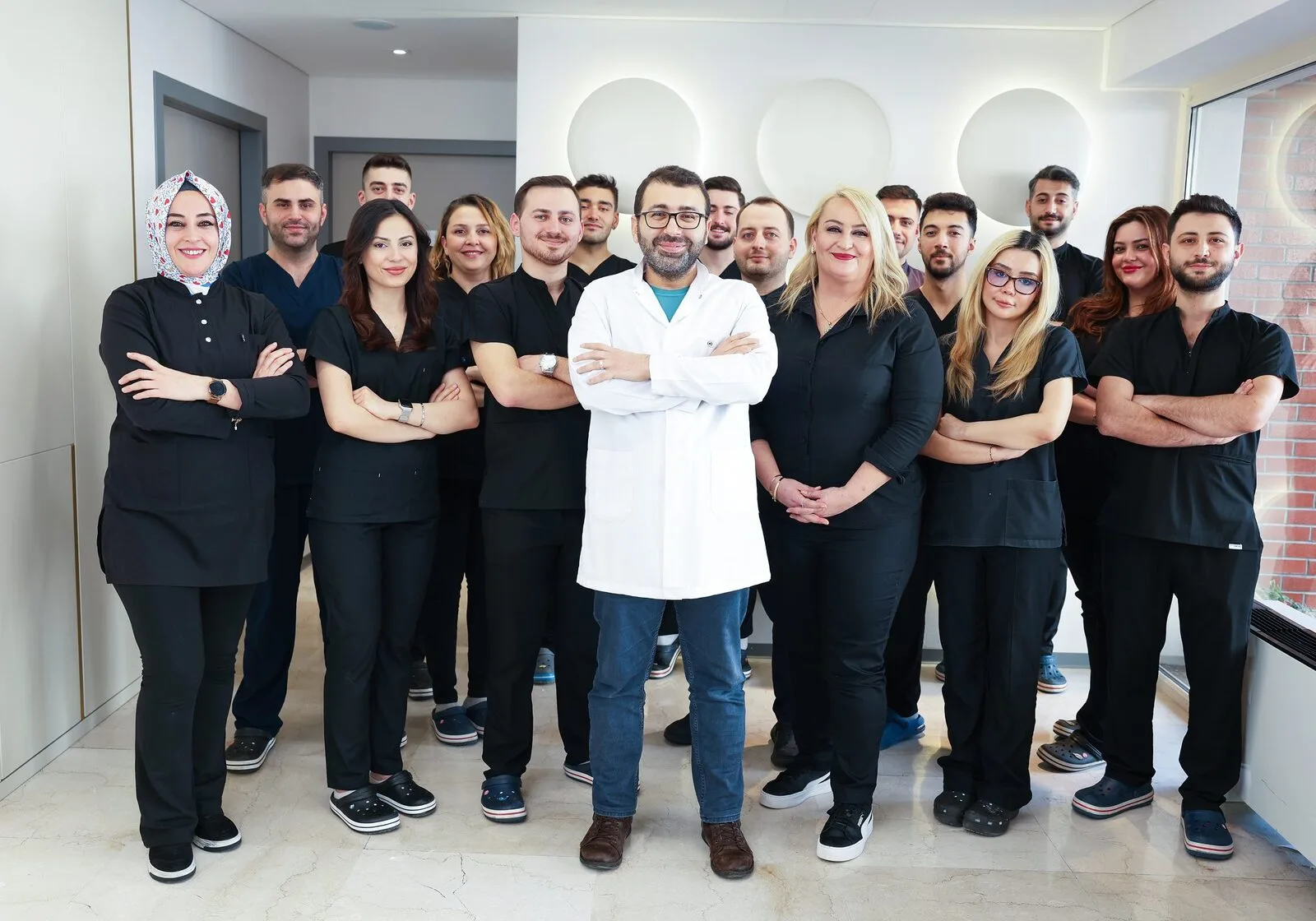
Dr. Ahmet Murat emphasizes:
“Patients often worry they’ll lose their hair if they take creatine. We explain clearly that evidence does not support this fear. Genetics and hormones play the biggest role, not supplements. At Hermest, we take these concerns seriously and provide scientifically grounded guidance — because we know how personal hair health is.”
For athletes, fitness enthusiasts, or anyone considering creatine, the message is simple: use it wisely, stick to proven dosages, and focus on overall health. If you have a family history of baldness and remain concerned, speak with a dermatologist about monitoring or preventive treatments.
Hermest Hair Clinic is here to help. Whether your concerns are about supplements, genetics, or early hair thinning, our team offers expert consultations, cutting-edge treatments, and personalized care. Contact us today to get professional advice and protect your hair with confidence.