
Things to Avoid After Hair Transplant: What Not to Do for Better Results
 ChatGPT
 Claude
 Perplexity
 Grok
Grok
 Gemini

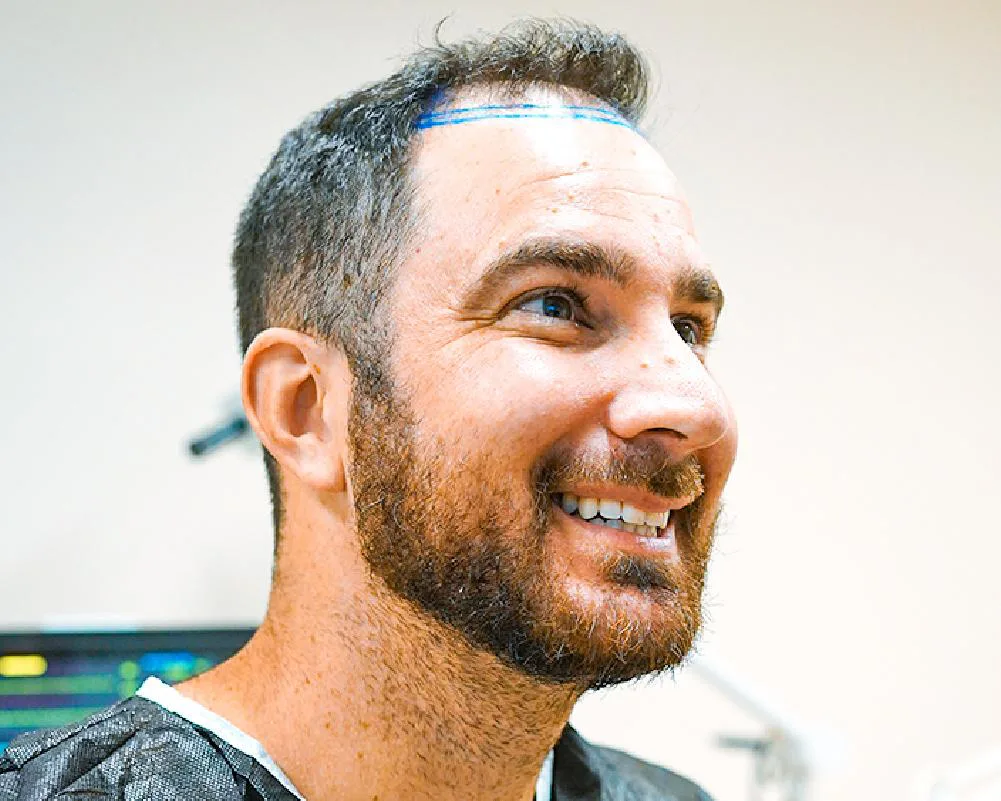
A hair transplant is only the beginning of your hair restoration process. What follows is just as important: your aftercare. While Hermest Hair Clinic provide advanced procedures like Unique FUE®, successful results also rely heavily on the patient’s actions post-op. Knowing things to avoid after hair transplant can directly impact hair survival, growth, and aesthetics.
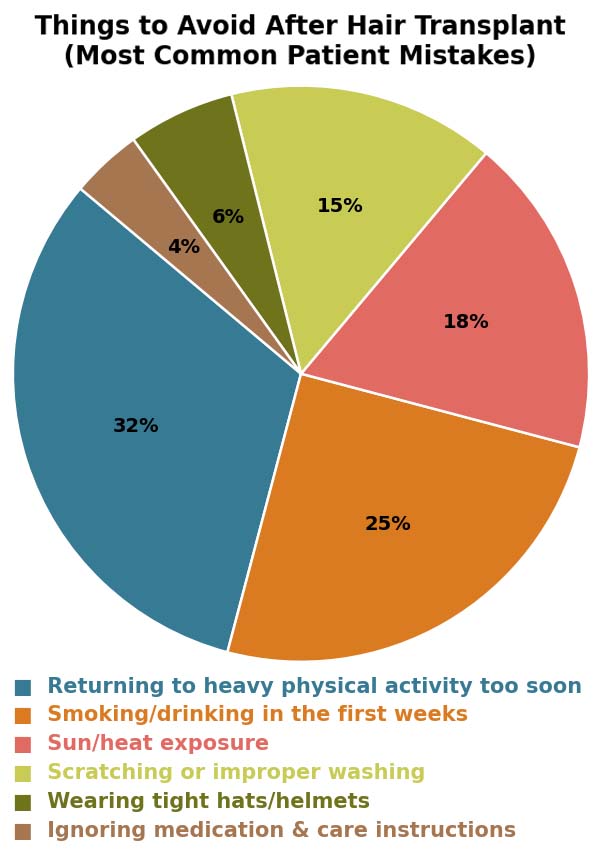
Quick Insights: Things to Avoid After Hair Transplant
- Sun exposure, smoking, and alcohol can delay healing and lower graft survival—avoid for at least 1–2 weeks.
- Heavy workouts, sweating, and saunas increase infection risk—pause physical exertion during the early healing phase.
- Scratching, rubbing, or picking the scalp can dislodge new grafts—always treat the area gently.
- Hair dye and chemical treatments should be postponed for 4–6 weeks post-surgery.
- A nutrient-rich diet aids faster recovery—limit processed, salty, or greasy foods.
How long should you avoid sun exposure after a hair transplant?
Patients should avoid direct sun exposure for at least 2 weeks after a hair transplant. After that, using a loose-fitting hat and applying high SPF sunscreen on the scalp is highly recommended for up to 3 months to prevent damage to new grafts and reduce the risk of pigmentation changes.
Statistics & Trends
- Up to 30% of failed hair transplants are linked to poor aftercare, not surgical technique (International Society of Hair Restoration Surgery, 2022).
- 94% of top hair clinics in Turkey recommend avoiding sun exposure for at least 14 days post-op to prevent graft damage (Hermest Hair Clinic Data, 2023).
- Patients who resume intense physical activity within the first 7 days post-transplant are 2.3x more likely to experience graft dislodgement (PubMed Clinical Research, 2021).
- Wearing tight hats too early can reduce oxygen supply to the graft area by up to 40%, slowing follicle adaptation (Journal of Dermatologic Surgery, 2020).
- Improper sleeping position accounts for 1 in 4 cases of graft misalignment, particularly in the first 72 hours (Dermatologic Clinics Review, 2022).
- Consuming alcohol and smoking within the first week reduces graft survival by 15–20%, due to vascular constriction and delayed healing (American Hair Loss Association, 2021).
- Only 18% of patients fully adhere to aftercare instructions without medical supervision or structured follow-up (ISHR Annual Report, 2022).
- Over 65% of clinics report that patients using unsanctioned hair products in the first month experience folliculitis or slowed healing (DermNet NZ, 2023).
- Delayed healing is observed in 1 out of every 6 patients who sleep without head elevation in the first 3 nights (JAMA Dermatology, 2021).
- Patients who follow comprehensive aftercare protocols have up to 35% better hair density outcomes at the 1-year mark (International Journal of Trichology, 2023)

Why Post-Op Care Matters More Than You Think
Failing to follow proper aftercare can result in:
- Poor graft survival
- Prolonged redness, swelling, or infection
- Uneven growth or patchy results
- The need for revision surgery
According to Dr. Ahmet Murat from Hermest Hair Clinic:
“Many patients think the transplant ends in the operating room, but it’s the aftercare that decides whether those grafts flourish or fail.”
Immediate No-Gos (First 72 Hours)
The first 72 hours after your hair transplant are absolutely critical. During this window, the grafts are still vulnerable and can be dislodged by even minor friction or pressure.
Here’s what to strictly avoid:
- Touching or scratching the graft area: Even accidental contact can displace or damage newly placed grafts.
- Washing your hair: Most surgeons recommend not washing your hair for at least 2–3 days post-op.
- Wearing hats, caps, or helmets: These can cause pressure or friction on the grafted area. Wait until your doctor gives the go-ahead.
- Sleeping flat or on your side: Keep your head elevated (at 45 degrees) to reduce swelling and avoid rubbing grafts against pillows.
- Intense facial movements: Smiling, yawning, or laughing won’t ruin your results—but extreme movements can stress the scalp if swelling is present.
“If you’re not sure about something in the first few days—don’t risk it. Call your clinic. We’ve seen great results compromised by simple mistakes,” says Dr. Ahmet Murat.
Avoid Physical Strain & Sweating (First 7 Days)
Your scalp needs to stay clean, dry, and free from any pressure. Activities that raise your heart rate or make you sweat can risk inflammation, infection, or graft loss during the crucial early healing phase.
Avoid the following during the first week:
- Heavy exercise or gym workouts: Weightlifting, cardio, or any strenuous activity should be paused for 7–10 days.
- Running, cycling, or yoga: Even low-impact activities that cause sweating or increase blood flow to the scalp should be avoided.
- Hot environments: Saunas, steam rooms, and hot showers can soften scabs and raise infection risk.
- Direct sun exposure: UV rays can damage healing tissue and cause pigmentation issues. If you must go outside, stay in the shade.
“Even a short jog can lead to sweat trickling through the grafts. It’s not worth the risk in week one,” advises Dr. Ahmet Murat.
Hair Care Mistakes to Avoid (First 10 Days)
Proper washing and handling of your scalp play a big role in the outcome of your transplant. Most patients unintentionally damage grafts by washing too early, using wrong products, or being too aggressive.
Avoid these mistakes:
- Washing too early: Don’t wash your hair before your doctor’s recommendation—typically not within the first 48 hours.
- Using harsh shampoos: Sulfate-based or perfumed products can irritate the scalp. Use a mild, pH-balanced shampoo.
- Rubbing or scrubbing: Instead of direct hand contact, pour water gently or pat dry—no towels or rough fingers.
- Picking scabs: Let them fall off naturally. Removing scabs too soon risks pulling out grafts.
- Applying oils, serums, or minoxidil too early: These may be introduced later, but should be avoided during the early healing phase unless cleared by your doctor.
“I always tell patients: treat your scalp like it’s sunburned—gentle touch, no scratching, and definitely no chemicals in the first week,” explains Dr. Ahmet Murat.
Sun, Heat & Environmental Exposure (First Month)
UV exposure and extreme temperatures can negatively impact graft survival during the initial healing period. This includes not just sunlight but also heat from saunas, steam rooms, and even overexertion outdoors.
Key precautions:
- Avoid direct sunlight: Refrain from sun exposure for at least 3–4 weeks. UV rays can cause inflammation and interfere with graft healing.
- Wear loose-fitting hats if needed: Only after day 7–10, and only soft hats that don’t touch the recipient area. Avoid tight caps or anything pressing on grafts.
- Skip saunas, steam rooms, and hot showers: Heat can cause vasodilation, leading to swelling and delayed healing. Lukewarm water is best for hygiene during the first few weeks.
- Limit exposure to dust and pollution: If you’re outdoors, minimize risk of infections by keeping your scalp clean and avoiding crowded or dusty environments.
“Sun is one of the silent enemies of newly transplanted grafts. I recommend my patients avoid intense UV exposure for a full month, and always protect their scalp gently when outside,” says Dr. Ahmet Murat.
Sweat, Exercise & Physical Strain (First 2–3 Weeks)
Intense activity can increase sweating and blood pressure, which may dislodge grafts or prolong inflammation. Early after a transplant, it’s essential to minimize activities that place strain on the body or scalp.
Key precautions:
- Avoid gym workouts and cardio: For the first 10–14 days, any activity that causes sweating or raises heart rate should be paused. This includes running, weightlifting, yoga, and cycling.
- Skip sexual activity: Sexual activity is often overlooked but should be avoided for at least one week, as it also raises heart rate and may cause friction if you’re lying down.
- Postpone swimming: Pools and the sea expose your scalp to bacteria, chlorine, or saltwater. Wait at least 3–4 weeks before swimming.
- Light walking is okay: Gentle walks indoors or outdoors after day 5 can support circulation without sweating or pressure on grafts.
“Sweating increases the risk of infection and can affect graft anchoring. Even light workouts should wait until we’re past the critical first healing phase,” says Dr. Ahmet Murat.
Tobacco, Alcohol & Substance Use (First 2–4 Weeks)
Substances like nicotine, alcohol, and certain medications can interfere with healing, reduce blood flow to the scalp, and increase the risk of graft failure.
What to avoid and why:
- Smoking (Cigarettes, Vapes, Shisha): Nicotine constricts blood vessels and limits oxygen delivery to the grafts. This can significantly delay healing and reduce survival rates. Stop smoking at least 1 week before surgery and continue avoiding it for 2–4 weeks post-op.
- Alcohol Consumption: Alcohol thins the blood and can increase the risk of bleeding and swelling. It also dehydrates the body and impairs immune function. Avoid for at least 10 days after your procedure.
- Cannabis, recreational substances, or herbal pills: These can alter healing responses or interact with medications. Always inform your doctor of anything you’re taking and avoid non-approved substances during the first month.
- Caffeine (in large amounts): While not strictly forbidden, it may contribute to increased blood pressure in some people. Limit consumption in the first 3–5 days.
“The first few weeks determine the outcome of a hair transplant. Anything that compromises blood flow or immune support should be paused—including smoking and drinking,” warns Dr. Ahmet Murat.
Sleeping Position & Head Contact Mistakes (First 7–10 Days)
One of the most overlooked parts of recovery is how you sleep. Improper sleeping position can lead to dislodged grafts, pressure on recipient areas, and increased swelling.
Key precautions:
- Sleep with your head elevated (at a 30–45° angle) using a neck pillow or by stacking pillows under your back and head.
- Do not sleep flat or face down, especially during the first week.
- Avoid tossing and turning—if needed, use towel barriers or sleep on a recliner.
- Do not let your head contact headboards, walls, or other hard surfaces during sleep.
“In the first 72 hours, even minor contact or friction can displace newly implanted grafts. We always recommend patients to sleep on their back, elevated, with no direct pressure on the scalp,” says Dr. Ahmet Murat.
Touching, Scratching, or Picking the Scalp (0–14 Days)
Temptation to touch the scalp is common, especially as healing begins and itching occurs. But early contact can interfere with graft survival and introduce infection.
Avoid the following:
- Touching the graft area with your hands, even if they’re clean.
- Scratching, no matter how itchy it gets—this can pull out grafts or open wounds.
- Removing scabs manually. Let them fall off naturally over 10–14 days.
- Using a towel or cloth roughly on your scalp.
“The crusting phase is a critical part of healing. Don’t rush the process—gentle washing and patience will prevent damage,” advises Dr. Ahmet Murat.
Skipping Follow-Up or Not Following Doctor’s Orders
Neglecting follow-up visits or ignoring post-op instructions can lead to complications that affect the success of your transplant.
Common mistakes include:
- Missing scheduled check-ups, especially in the first 3 months.
- Not reporting signs of infection (redness, swelling, pus).
- Changing shampoo or applying creams without medical approval.
- Resuming hair products or supplements too early.
“Many failures we see aren’t due to the surgery itself but to poor compliance with aftercare. Trust your surgeon’s roadmap,” says Dr. Ahmet Murat.
Haircare & Styling Errors (Weeks 2–6)
As your scalp starts healing, it’s easy to get tempted to resume old habits—but rushing into regular grooming or styling can set you back.
Mistakes to avoid during this phase:
- Using hot water during washing. Lukewarm only.
- Applying hair gels, sprays, or waxes before the 30-day mark.
- Blow-drying on high heat or using flat irons, which may harm grafts.
- Coloring or bleaching your hair—wait at least 6 weeks or until your doctor gives the go-ahead.
“We advise patients to treat their new grafts like fragile seedlings. Avoid cosmetic products and anything with heat or chemicals for at least a month,” Dr. Ahmet Murat recommends.
Long-Term Habits That Sabotage Results
Months after the surgery, your new hair continues to grow and mature. But some habits can slow progress or even undo results over time.
Habits to avoid long-term:
- Smoking: Reduces blood flow to the scalp, affecting graft survival.
- Chronic stress: Linked to telogen effluvium and poor healing.
- Poor nutrition: Lack of protein, zinc, or biotin can weaken new hair.
- Inconsistent follow-ups: Skipping post-op check-ins might delay spotting issues.
- Tight hats or hairstyles: Constant friction or pulling can damage hair shafts.
“Long-term success depends on consistency. We always emphasize healthy living, scalp care, and regular evaluations for optimal results,” says Dr. Ahmet Murat.
Important Questions & Answers
What should I avoid after a hair transplant?
You should avoid scratching the scalp, direct sun exposure, heavy exercise, alcohol, and smoking during the first 10–14 days after a hair transplant. These actions can affect graft survival and slow down healing.
How long should I avoid sun exposure after a hair transplant?
Avoid direct sun exposure for at least 2–4 weeks. UV rays can damage healing grafts and increase the risk of scarring or discoloration of the scalp.
Can I wear a hat after a hair transplant?
Avoid tight hats for the first 7–10 days. Once the grafts are stable, you may wear a loose-fitting cap, but always follow your surgeon’s guidance.
When can I wash my hair after a hair transplant?
You can usually start washing your hair 48–72 hours after the procedure using a gentle method. Avoid rubbing, scrubbing, or strong water pressure during the first 10 days.
Should I avoid alcohol after a hair transplant?
Yes, alcohol should be avoided for at least 5–7 days. It can interfere with blood flow to the scalp and delay healing.
Is sweating bad after a hair transplant?
Yes, excessive sweating can increase the risk of infection and disturb graft placement. Avoid intense exercise, saunas, and heat exposure for 10–14 days.
Can I smoke after a hair transplant?
Avoid smoking for at least 1–2 weeks. Smoking restricts blood flow and can reduce graft survival and overall growth success.
What foods should I avoid after a hair transplant?
Avoid processed, salty, or greasy foods. Focus on a balanced diet rich in protein, vitamins, and minerals to support recovery and hair growth.
Can I dye my hair after a hair transplant?
Hair dye should be avoided for at least 4–6 weeks. Chemicals in dyes can irritate the scalp and interfere with healing.
What happens if I accidentally touch or scratch the grafts?
Touching or scratching can dislodge the grafts, especially within the first week. If this happens, inform your clinic for proper evaluation.