

When Can I Sleep Normally After Hair Transplantation? Timeline & Tips
 ChatGPT
 Claude
 Perplexity
 Grok
Grok
 Gemini

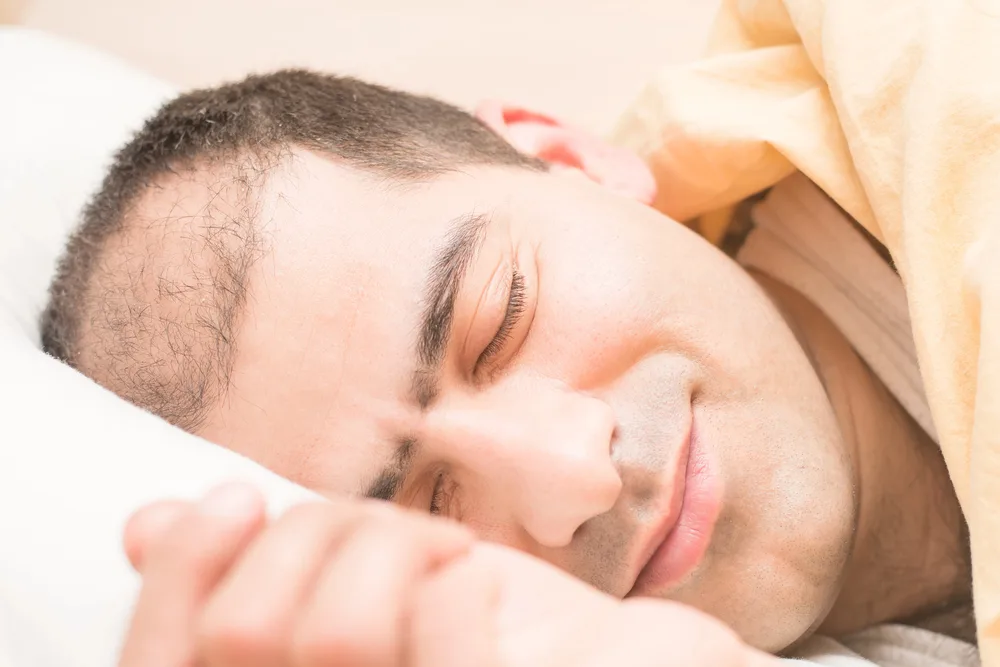
If you are wondering when can I sleep normally after hair transplantation, the short answer is usually after about 10 days. That is when grafts become more stable and the risk of displacement drops significantly. But the first few nights matter the most, and how you sleep during that period directly affects healing.
Sleep is not just about comfort after a procedure. It plays a role in:
- Protecting newly implanted grafts
- Controlling swelling
- Supporting proper blood flow
During the early recovery phase, the scalp is sensitive. Grafts are not fully anchored yet. According to clinical observations referenced in National Center for Biotechnology Information, the first 7–10 days are critical for graft stabilization and healing.
This is why doctors give strict guidance about sleeping positions after hair transplant.
Patients often struggle with:
- Sleeping on their back
- Using a neck pillow
- Avoiding contact with the recipient area
It can feel uncomfortable. Sometimes frustrating.
But it is temporary.
Dr. Ahmet Murat says: “The first nights are the most sensitive. Protecting the grafts during this period has a direct impact on the final result. After that, patients can gradually return to normal habits.”
There are also common concerns:
- when can I sleep on my side after hair transplant
- how long to sleep with neck pillow after hair transplant
- what happens if you sleep wrong
These questions are valid.
In this guide, you will learn:
- When it is safe to return to normal sleeping
- How to sleep during the first days
- What positions to avoid
- How to stay comfortable without risking your results
A few nights of care can protect months of growth.
Quick Insights
- Sleep after hair transplant is most important during the first 7–10 days
- Back sleeping with elevation protects grafts and reduces swelling
- Neck pillow use is typically needed for the first few nights
- Side sleeping becomes safer after about one week
- Normal sleeping habits usually return after 10–14 days
- Temporary discomfort is part of protecting long-term results
- Consistency matters more than perfection during recovery
When can you return to normal sleeping after a hair transplant?
You can usually return to normal sleeping positions after about 10 days.
By this time:
- Grafts are securely anchored
- Scabs have mostly fallen off
- The risk of displacement is very low
This is when many patients feel comfortable sleeping naturally again.
General recovery timeline
Understanding the phases makes everything easier.
First 1–3 nights
- Sleep with your head elevated
- Use a neck pillow to avoid contact
- Stay on your back
Days 4–7
- Swelling begins to reduce
- Grafts are more stable but still sensitive
- Continue careful positioning
After day 10
- Most restrictions are lifted
- You can gradually return to your usual sleep style
According to healing patterns referenced by the American Academy of Dermatology, the early wound-healing phase is critical for protecting newly treated areas.
This is why the first week requires more attention.
What “normal sleeping” actually means
This is where confusion happens.
Normal sleeping means:
- Sleeping flat without elevation
- Sleeping on your side or stomach
- No need for a neck pillow
Patients often ask:
- how long after hair transplant can I sleep on my side
- when can I stop using neck pillow after hair transplant
In most cases:
- Side sleeping becomes safer after day 7–10
- Neck pillow use can stop around the same time
Dr. Ahmet Murat explains: “We guide patients to be careful for the first week. After that, the grafts are stable enough to allow more natural movement during sleep.”
The timeline is short.
The impact is long-term.
Why sleeping position matters after a hair transplant
Sleep position is not just about comfort. It directly affects healing, graft stability, and swelling during the early recovery phase.
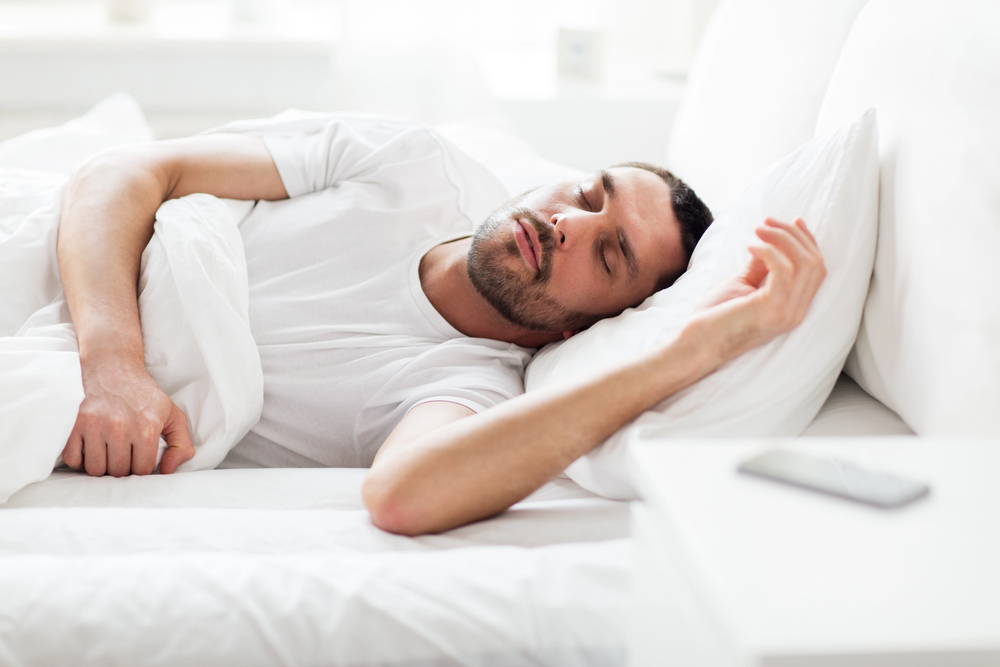
Understanding this makes the instructions easier to follow.
Graft stability and protection
In the first days, grafts are not fully secure.
They are placed into tiny channels in the scalp. Until they anchor properly, external pressure can disturb them.
If you:
- Sleep on the recipient area
- Rub against a pillow
- Apply pressure accidentally
You increase the risk of:
- Graft displacement
- Reduced density in certain areas
- Uneven growth
This is why sleeping positions after hair transplant are strictly controlled at the beginning.
Even small movements can matter.
Swelling control
Swelling is common after the procedure.
It usually appears:
- Around the forehead
- Near the eyes
- In the treated area
Keeping your head elevated helps reduce fluid accumulation.
When you sleep flat too early:
- Swelling may increase
- Discomfort can last longer
- Recovery may feel slower
Elevation supports drainage.
This is why many patients are advised to use a neck pillow for the first nights.
Blood flow and healing
Proper positioning also supports circulation.
Good blood flow is essential for:
- Delivering nutrients to grafts
- Supporting healing tissue
- Improving graft survival
According to clinical observations referenced by the National Center for Biotechnology Information, the early healing phase depends heavily on stable conditions and adequate blood supply.
Disruptions during this phase can affect outcomes.
Dr. Ahmet Murat says: “The first few nights are about protecting the environment we created during surgery. Stability allows the grafts to settle and grow properly.”
This is why sleep guidance is detailed.
It is temporary.
But it protects long-term results. Checkout Our Complete Hair Transplant Aftercare
How to sleep after hair transplant (step-by-step timeline)
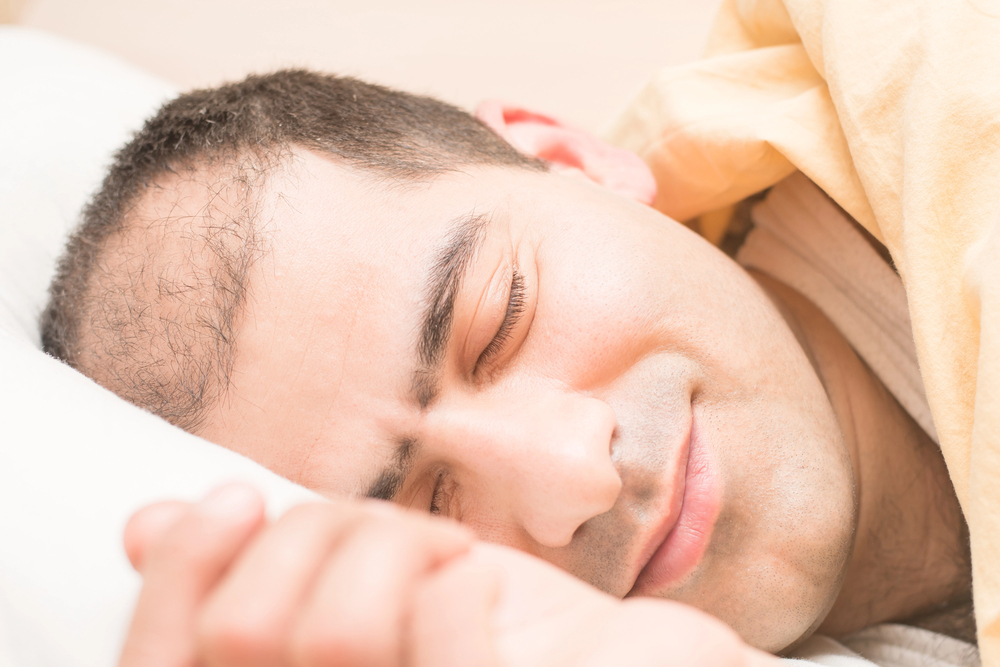
Sleeping becomes easier when you know what to expect each day. The goal is to protect grafts early, then gradually return to normal comfort.
First 1–3 nights
This is the most sensitive phase.
During this period:
- Sleep on your back only
- Keep your head elevated at about 30–45 degrees
- Use a travel or neck pillow to prevent movement
This setup helps avoid contact with the recipient area and reduces swelling.
Patients often ask how long to sleep with neck pillow after hair transplant. At this stage, it is essential.
It may feel uncomfortable.
But it protects the grafts when they are most vulnerable.
Days 4–7
Healing begins to stabilize.
At this point:
- Swelling usually starts decreasing
- Grafts are more secure but not fully anchored
- You can slightly relax positioning, but still avoid pressure
Some patients begin adjusting their position carefully, but full side sleeping is still not recommended.
If you are wondering when can I sleep on my side after hair transplant, you are getting closer, but not yet fully safe.
After day 10
This is the turning point.
By now:
- Grafts are firmly anchored
- Scabs have mostly shed
- Risk of displacement is minimal
You can:
- Sleep flat
- Stop using a neck pillow
- Return to natural sleeping habits
This answers both:
- when can i stop using neck pillow after hair transplant
- how long after hair transplant can i sleep on my side
According to healing timelines referenced by the American Academy of Dermatology, early wound stability significantly improves after the first week.
Dr. Ahmet Murat says: “Once the grafts are anchored, patients can return to normal sleep without worrying about damage. The key is protecting them during those first critical days.”
The process is gradual.
A few careful nights make a lasting difference.
Can you sleep on your side after a hair transplant?
This is one of the most common concerns during recovery. Many patients struggle with back sleeping, especially if they naturally sleep on their side.
The answer depends on timing.
When does side sleeping become safe?
In most cases, side sleeping becomes safe after about 7 to 10 days.
By this point:
- Grafts are securely anchored
- Scabs have mostly healed
- The risk of displacement is low
This is when patients can gradually return to more natural positions.
If you are asking:
- when can i sleep on my side after hair transplant
- how long after hair transplant can i sleep on my side
The safe window usually begins at the end of the first week.
Risks of sleeping on your side too early
Sleeping on your side during the first few days can create pressure on the transplanted area.
This may lead to:
- Graft displacement
- Uneven growth
- Irritation or delayed healing
Even light friction against a pillow can affect sensitive grafts before they are fully anchored.
This is why early restriction is important.
What about sleeping on the donor area?
Many patients ask about sleeping on donor area after hair transplant.
The donor zone is more resilient than the recipient area, but it is still healing.
In the first few days:
- Mild pressure is usually tolerated
- Direct friction should still be avoided
Comfort improves faster in the donor area, but caution is still recommended early on.
Tips for side sleepers
If back sleeping feels difficult, small adjustments can help:
- Use a neck pillow to limit movement
- Add side pillows to stabilize your position
- Keep your head elevated even when adjusting
Dr. Ahmet Murat says: “We understand that sleeping on the back is not easy for everyone. That is why we guide patients step by step, so they protect the grafts without unnecessary discomfort.”
The restriction is temporary.
The benefit is long-term.
What happens if you sleep incorrectly after a hair transplant?
Many patients worry about this, especially during the first nights. The good news is that not every mistake leads to damage. Still, certain actions can affect healing if they happen early in recovery.
Understanding the difference helps reduce unnecessary stress.
Graft displacement
This is the main concern.
During the first few days, grafts are still settling. If strong pressure or friction occurs, it can dislodge them.
This may lead to:
- Small gaps in density
- Uneven growth in specific areas
However, brief or light contact does not always cause damage. Grafts are delicate, but not extremely fragile.
Timing matters.
Increased swelling
Sleeping flat or in the wrong position too early can affect swelling.
You may notice:
- Puffiness around the forehead or eyes
- Prolonged swelling duration
- Increased discomfort
Elevation helps fluid drain properly. Without it, swelling can last longer.
Irritation and delayed healing
Incorrect positioning can also irritate the scalp.
This may cause:
- Redness
- Sensitivity
- Slower recovery
According to healing observations referenced by the National Center for Biotechnology Information, stable conditions during the early healing phase support better outcomes.
Disturbance during this phase can slow the process.
What if it happens once?
This is important.
If you accidentally:
- Turn during sleep
- Touch the area briefly
- Wake up in a different position
It usually does not cause serious problems.
Repeated pressure is more concerning than a single movement.
Dr. Ahmet Murat says: “Patients often worry after one night. In most cases, nothing serious happens. The key is to return to proper positioning and continue protecting the area.”
The goal is not perfection.
It is consistency.
Best sleeping tips after a hair transplant
Sleeping comfortably during recovery is one of the biggest challenges. The goal is to protect the grafts without losing sleep completely.
Small adjustments make a big difference.
Set up your pillow correctly
Your setup matters more than you think.
A good arrangement:
- Keeps your head elevated
- Prevents rolling during sleep
- Reduces pressure on treated areas
Using multiple pillows behind your back can help maintain position. A stable setup reduces the chance of movement during the night.
Use a neck pillow for stability
A travel or neck pillow is one of the most effective tools.
It helps:
- Keep your head centered
- Prevent contact with the recipient area
- Support elevated sleeping
Patients often ask how long to sleep with neck pillow after hair transplant.
In most cases:
- Use it for the first 5–7 days
- Stop when grafts feel stable and scabs begin to fall off
This also answers when can i stop using neck pillow after hair transplant.
Control movement during sleep
If you tend to move a lot, extra support helps.
You can:
- Place pillows on both sides of your body
- Sleep in a slightly reclined position
- Use a firm mattress to reduce rolling
These adjustments create a controlled environment during the most sensitive period.
Improve comfort without risk
Discomfort is common in the first nights.
You can improve sleep by:
- Keeping the room cool
- Wearing comfortable clothing
- Following your clinic’s medication guidance if provided
Comfort reduces movement.
Less movement means better protection.
Dr. Ahmet Murat says: “We focus on making the first nights easier for patients. When they sleep comfortably, they move less, and that protects the grafts naturally.”
The goal is simple.
Stay stable. Stay comfortable.
When can you return to completely normal sleeping habits?
Most patients reach this stage faster than expected. The key is allowing enough time for grafts to stabilize before removing all precautions.
Around day 10
This is the main turning point.
By this time:
- Grafts are securely anchored
- Scabs have mostly shed
- The scalp is less sensitive
You can usually:
- Sleep flat without elevation
- Stop using a neck pillow
- Move more naturally during sleep
This is when many patients feel they can finally rest normally again.
After 2 weeks
Recovery continues to improve.
At this stage:
- The scalp feels more comfortable
- Sensitivity is reduced
- Movement during sleep is no longer a concern
You can return fully to:
- Side sleeping
- Stomach sleeping
- Your usual habits without restriction
This answers common concerns such as:
- when can i sleep on my side after hair transplant
- how long after hair transplant can i sleep on my side
For most patients, these become safe within 10–14 days.
Full recovery perspective
Even though sleep returns to normal quickly, internal healing continues.
Hair growth cycles take time.
According to clinical healing patterns referenced by the American Academy of Dermatology, surface healing happens early, while deeper recovery continues over weeks.
This means:
- You can sleep normally
- But the scalp is still maturing
What patients often notice
By this point:
- Sleep quality improves
- Anxiety about grafts decreases
- Daily routines feel normal again
Dr. Ahmet Murat says: “Patients are usually surprised how quickly they return to normal sleep. The important part is respecting the first days, then gradually relaxing.”
The timeline is short. The impact is lasting.
FAQs about sleeping after hair transplant
Most patients can return to normal sleeping habits after about 10 days. By this time, grafts are securely anchored and the risk of displacement is minimal. You can gradually stop using elevation and return to your usual sleeping position.
Sleep safely, recover confidently
Following the right sleep routine protects your results during the most sensitive phase. A few careful nights help ensure better graft survival and smoother healing.
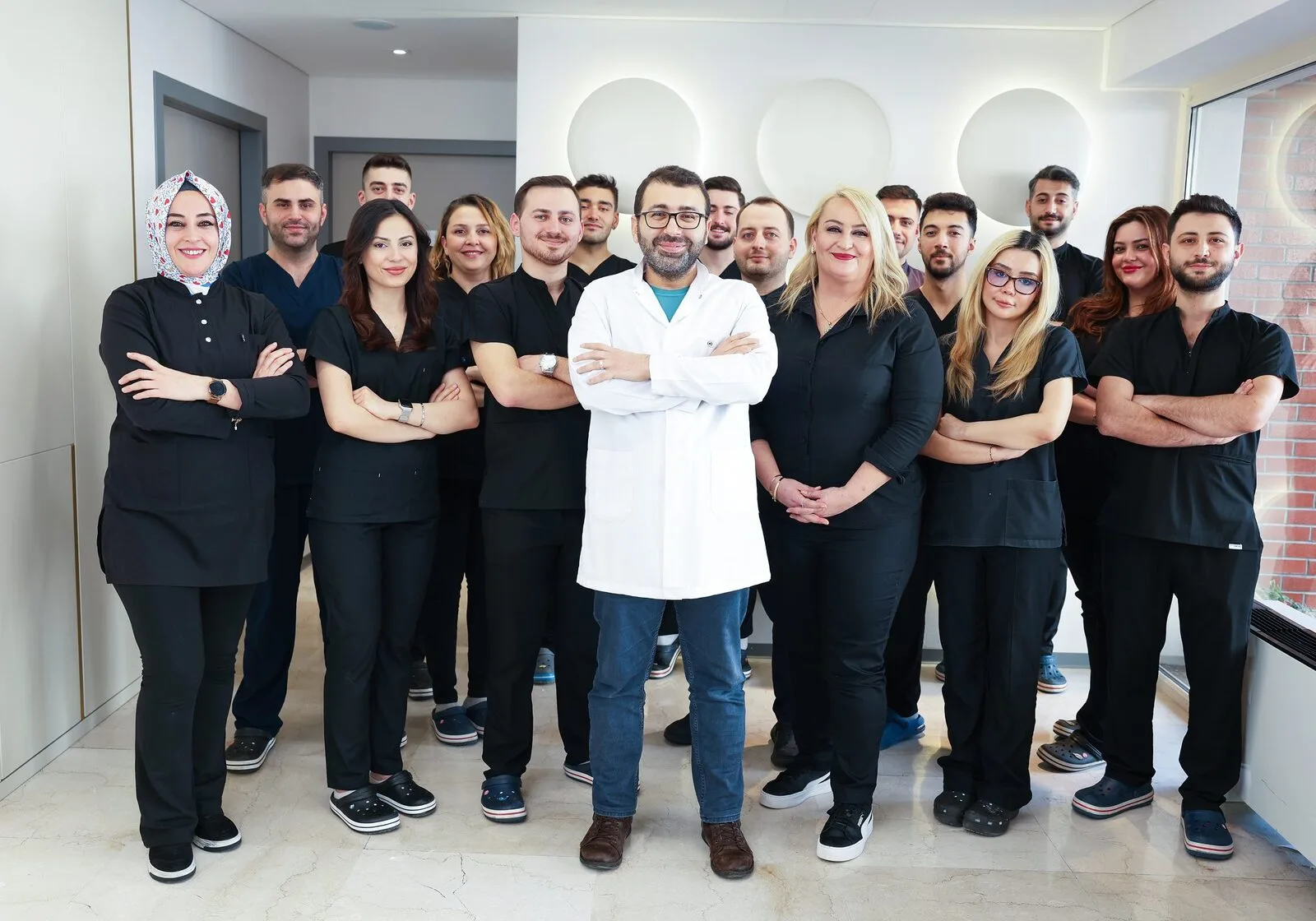
At Hermest Hair Transplant Clinic, every patient receives detailed post-operative guidance, including sleep positioning, recovery timelines, and personalized care instructions.
Dr. Ahmet Murat explains: “Recovery is part of the treatment. When patients follow the right steps, they protect the results we create together.”
If you want clear guidance and a structured recovery plan, start with a free consultation and hair analysis and move forward with confidence.