
Relationship Between Creatine and Hair Loss: DHT, Shedding & Recovery
 ChatGPT
 Claude
 Perplexity
 Grok
Grok
 Gemini


The debate around creatine and hair loss has been going on for years. Some people avoid creatine completely out of fear. Others dismiss the concern as a creatine hair loss myth. So which one is true?
Here’s the clear answer.
Creatine does not directly cause hair loss. There is no strong evidence showing that creatine damages hair follicles or leads to permanent thinning. At the same time, there is a reason this topic keeps coming up, and it mostly comes down to one thing: DHT.
That’s where confusion begins.
A small study from years ago suggested creatine might increase DHT levels. Since DHT is linked to genetic hair loss, many assumed creatine automatically leads to thinning. Later research has not consistently confirmed this link, which is why opinions remain divided.
According to findings indexed in PubMed, more recent controlled trials have not shown consistent changes in DHT or direct effects on hair growth with creatine use.
This leaves people stuck between fear and uncertainty.
If you are:
- taking creatine and noticing shedding
- concerned about thinning hair
- wondering about creatine and finasteride together
then you need a clear, science-based explanation.
Dr. Ahmet Murat explains:
“Creatine is often blamed too quickly. In most cases, hair loss is driven by genetics or hormonal sensitivity. Supplements may influence the environment, but they are rarely the root cause.”
This guide will break it down step by step:
- where the myth came from
- what science actually shows
- how DHT fits into the picture
- and what to do if you are concerned
Let’s start with the most important question.
Quick Insights
- Creatine does not directly damage hair follicles or cause permanent hair loss.
- The concern around creatine and hair loss mainly comes from its suspected link to DHT, which remains inconsistent in research.
- The creatine hair loss myth started from a single early study that has not been consistently supported by later findings.
- Hair loss is primarily driven by genetics and DHT sensitivity, not by creatine itself.
- Temporary shedding can happen due to stress, training, or lifestyle changes, not necessarily supplementation.
- If you are genetically prone to hair loss, changes may become noticeable regardless of creatine use.
- Using creatine and finasteride together is generally considered safe, as they work through different mechanisms.
- Stopping creatine may help only if it was contributing indirectly, but it will not reverse genetic hair loss.
- Monitoring patterns over time is more effective than reacting to short-term changes.
- A full evaluation of lifestyle, hormones, and scalp condition gives the most accurate understanding of hair loss causes.
Does creatine cause hair loss?
This is where most people want a direct answer. Let’s keep it simple and honest.
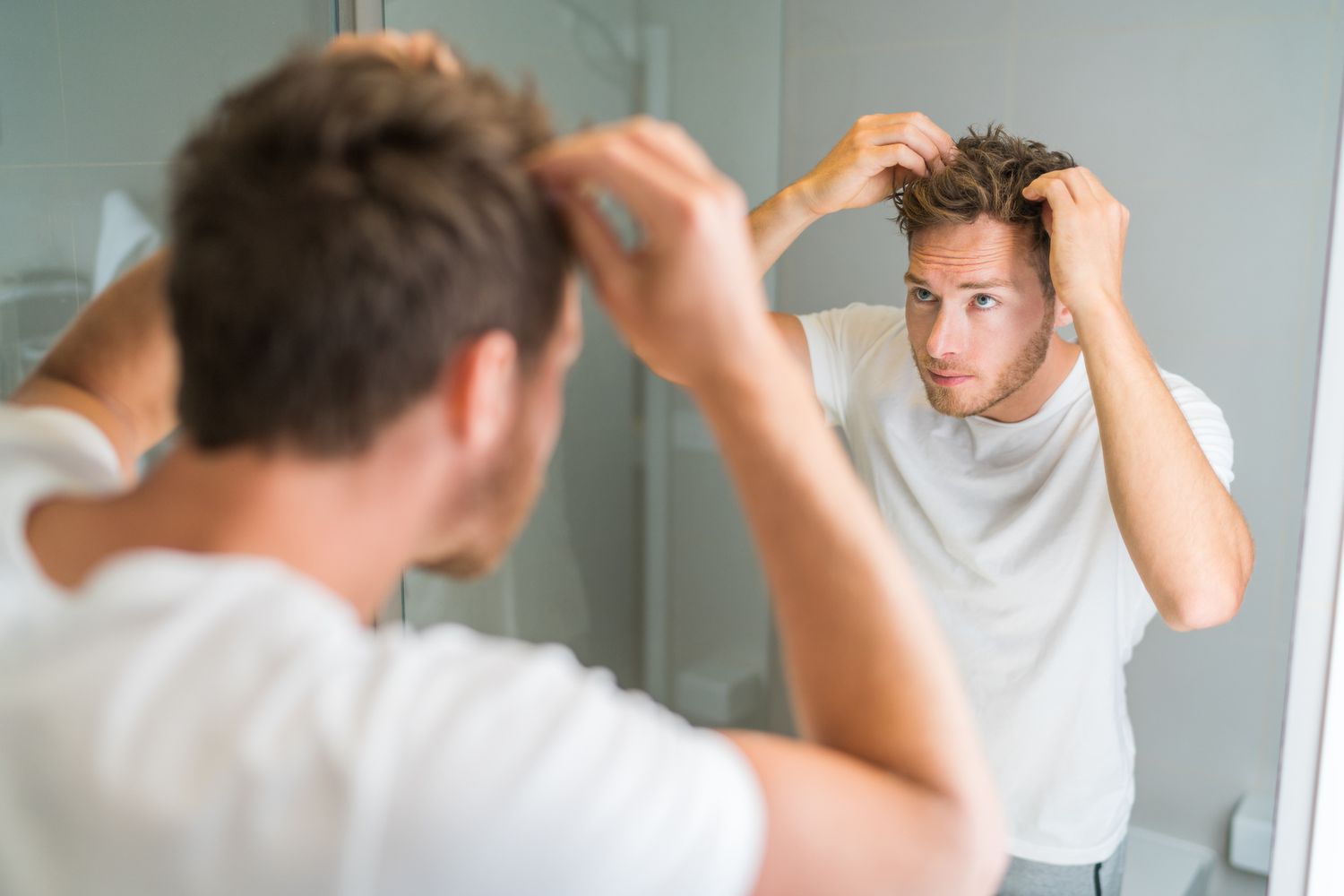
No, creatine does not directly cause hair loss.
There is no solid evidence showing that creatine damages hair follicles or leads to permanent hair thinning on its own.
Short truth. No direct link.
Where the myth started
The concern comes mainly from a 2009 study involving rugby players. The study reported an increase in DHT levels after creatine supplementation.
Since DHT is associated with androgenetic hair loss, the conclusion spread quickly:
Creatine increases DHT → DHT causes hair loss → creatine causes hair loss.
The logic seems straightforward. The evidence is not.
What newer research shows
More recent studies have not consistently confirmed those findings.
Research reviews and controlled trials indexed in PubMed indicate:
- no consistent increase in testosterone or DHT
- no direct effect on hair growth or shedding
- no proven mechanism linking creatine to follicle damage
This explains why the topic remains debated.
What this means in real life
For most people:
- creatine does not trigger hair loss
- it does not directly affect hair follicles
- it does not override genetic factors
However, individual responses can vary.
If someone already has genetic sensitivity to DHT, any fluctuation in hormonal balance may influence how hair behaves. This does not mean creatine is the cause. It means the follicles were already susceptible.
Dr. Ahmet Murat says:
“In clinical practice, we do not see creatine as a primary driver of hair loss. When thinning occurs, there is almost always an underlying genetic or hormonal factor.”
This is the key takeaway. Creatine is not the root cause.
Creatine, DHT, and hair loss explained
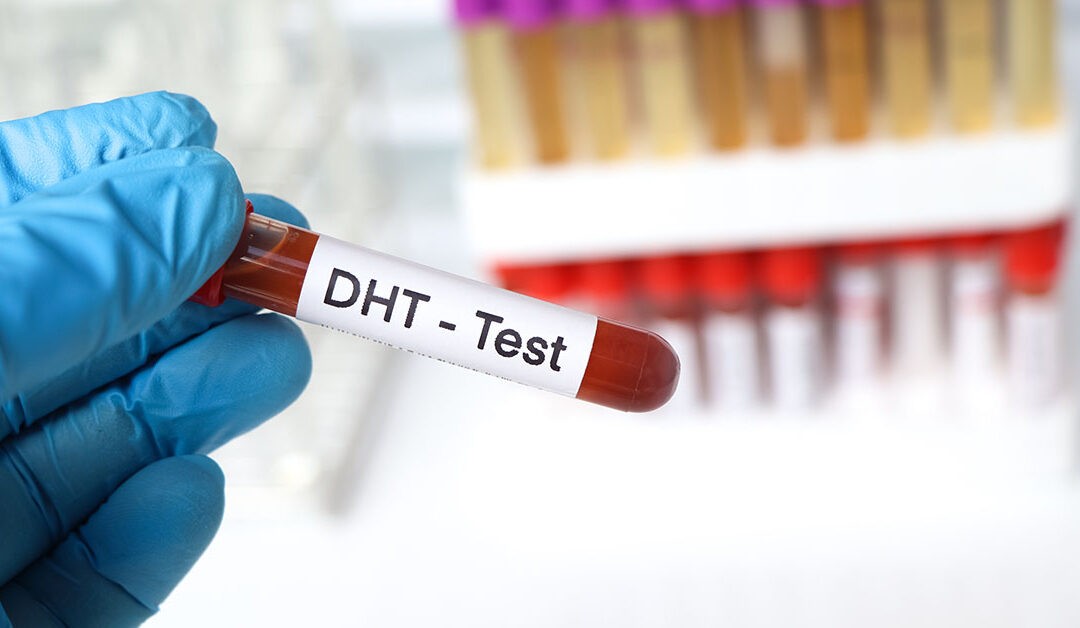
To understand the concern around creatine and hair loss, you need to understand DHT. This is the hormone most often linked to pattern hair loss.
What DHT does to hair follicles
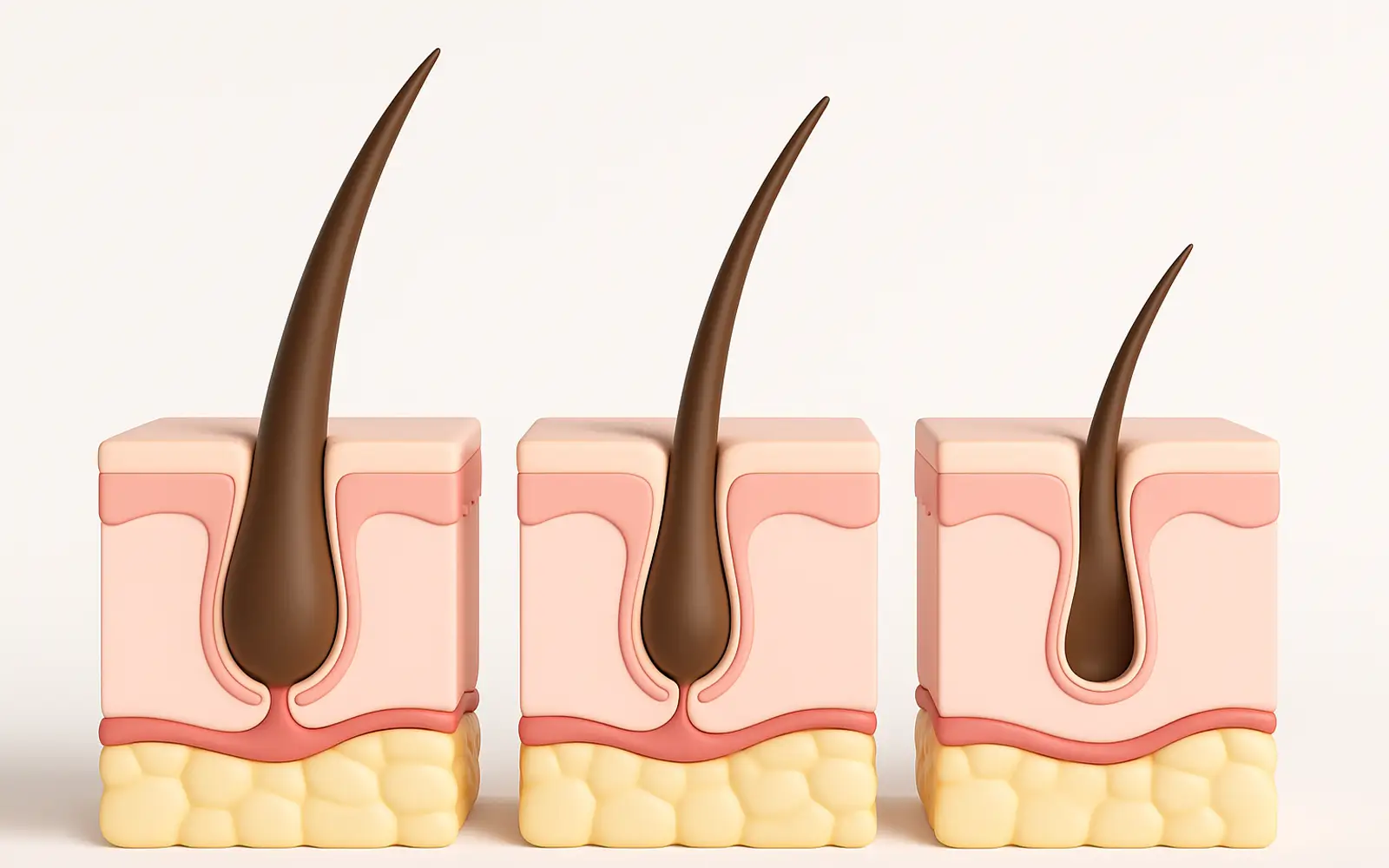
DHT (dihydrotestosterone) is a hormone derived from testosterone. In people with genetic sensitivity, DHT binds to hair follicles and gradually shrinks them.
This process leads to:
- thinner hair over time
- shorter growth cycles
- eventual follicle miniaturization
Not everyone is affected the same way. Genetics determines how sensitive your follicles are.
Short insight. DHT only matters if you’re sensitive to it.
Does creatine increase DHT?
This is where most of the confusion comes from.
The 2009 rugby study suggested that creatine supplementation increased DHT levels. This finding raised concerns that creatine might accelerate hair loss.
However, later research has not consistently supported this.
According to studies reviewed in PubMed:
- most trials show no significant hormonal change
- no consistent increase in DHT levels
- no direct link to hair loss outcomes
This inconsistency is why the topic remains controversial.
Why evidence is inconsistent
There are a few reasons for mixed results:
- small sample sizes in early studies
- differences in dosage and duration
- individual hormonal variation
- lack of long-term hair-focused studies
More recent research tends to show that creatine does not significantly alter hormone levels in a way that would impact hair follicles.
What this means for real-world users
If you are not genetically prone to hair loss:
- DHT changes are unlikely to affect your hair
If you are genetically sensitive:
- hair loss progression depends primarily on genetics
- creatine is not a proven trigger
Dr. Ahmet Murat explains:
“DHT is the key factor in pattern hair loss. Creatine does not create that sensitivity. It may be blamed when hair loss becomes noticeable, but the underlying cause is usually already present.”
This is the core concept. DHT drives the process. Genetics controls the outcome.
How creatine affects hair follicles (or doesn’t)
That’s the part that matters most when discussing creatine and hair loss.
No direct follicle damage
Creatine does not act on the hair follicle itself. It does not damage the root, disrupt the follicle structure, or block hair growth directly.
There is no clinical evidence showing that creatine:
- weakens follicles
- causes inflammation in the scalp
- interrupts the hair growth cycle on its own
Research reviewed through PubMed shows no established biological pathway linking creatine supplementation to direct follicle damage.
Short truth. No direct mechanism.
What actually affects the follicle
Hair follicles respond to:
- hormones (especially DHT)
- blood flow and oxygen
- nutrient availability
- genetic sensitivity
Creatine does not directly interfere with any of these systems in a way that has been proven to cause hair loss.
This is why many experts consider the creatine hair loss myth to be an oversimplification of a more complex process.
The role of genetics in hair loss
This is the key factor most people underestimate.
If you are genetically predisposed to androgenetic alopecia:
- follicles are sensitive to DHT
- miniaturization happens over time
- hair gradually becomes thinner
Creatine does not create this condition. It does not initiate follicle miniaturization.
It may simply coincide with the timing when hair loss becomes noticeable.
Why timing creates confusion
Many people start taking creatine during periods of:
- intense training
- lifestyle changes
- increased physical stress
These factors can influence hair shedding independently.
Dr. Ahmet Murat explains:
“When patients notice hair loss after starting a supplement, they often assume causation. In reality, it is often a coincidence with the natural progression of genetic hair loss.”
This is the missing link. Correlation is not causation.
Can creatine cause hair shedding or thinning?
This is where perception and reality often overlap. Some people report increased shedding after starting supplements, which leads to concern about creatine and hair loss. The key is understanding what type of hair change is actually happening.
Temporary shedding vs true hair loss

Not all shedding means permanent loss.
In some cases, people notice:
- more hair during washing
- increased strands on pillows
- slight drop in density
This can be temporary and unrelated to follicle damage.
Possible reasons include:
- training-related stress on the body
- dietary changes during fitness routines
- sleep or recovery imbalance
These factors can trigger telogen effluvium, a temporary shedding phase.
Short insight. Shedding is not always loss.
When creatine may seem related
Timing plays a big role.
People often start creatine during:
- new workout programs
- calorie deficits
- fat loss phases
- lifestyle changes
These shifts can affect hair more than creatine itself.
This creates a false association.
Who might notice changes
Certain individuals are more likely to connect creatine with thinning:
- those already experiencing early hair loss
- individuals with genetic sensitivity to DHT
- people under high physical stress
In these cases, hair changes may become more visible during the same period.
What research suggests
Scientific evidence does not support a direct link between creatine and hair shedding.
Studies referenced in PubMed show no consistent evidence that creatine alone triggers hair loss or alters hair growth patterns.
When to pay attention
If you notice:
- rapid or excessive shedding
- clear thinning patterns
- ongoing progression
it is worth evaluating other contributing factors.
Dr. Ahmet Murat says:
“Shedding is often the result of internal stress or underlying conditions. Creatine is rarely the driving factor. We look at the full picture before making conclusions.”
This is the key point. Context matters more than coincidence.
Creatine and finasteride: can they be used together?
Many people dealing with hair loss use finasteride while also taking supplements. That’s why creatine and finasteride is a high-intent question with very little clear guidance.
Let’s break it down properly.
How finasteride works
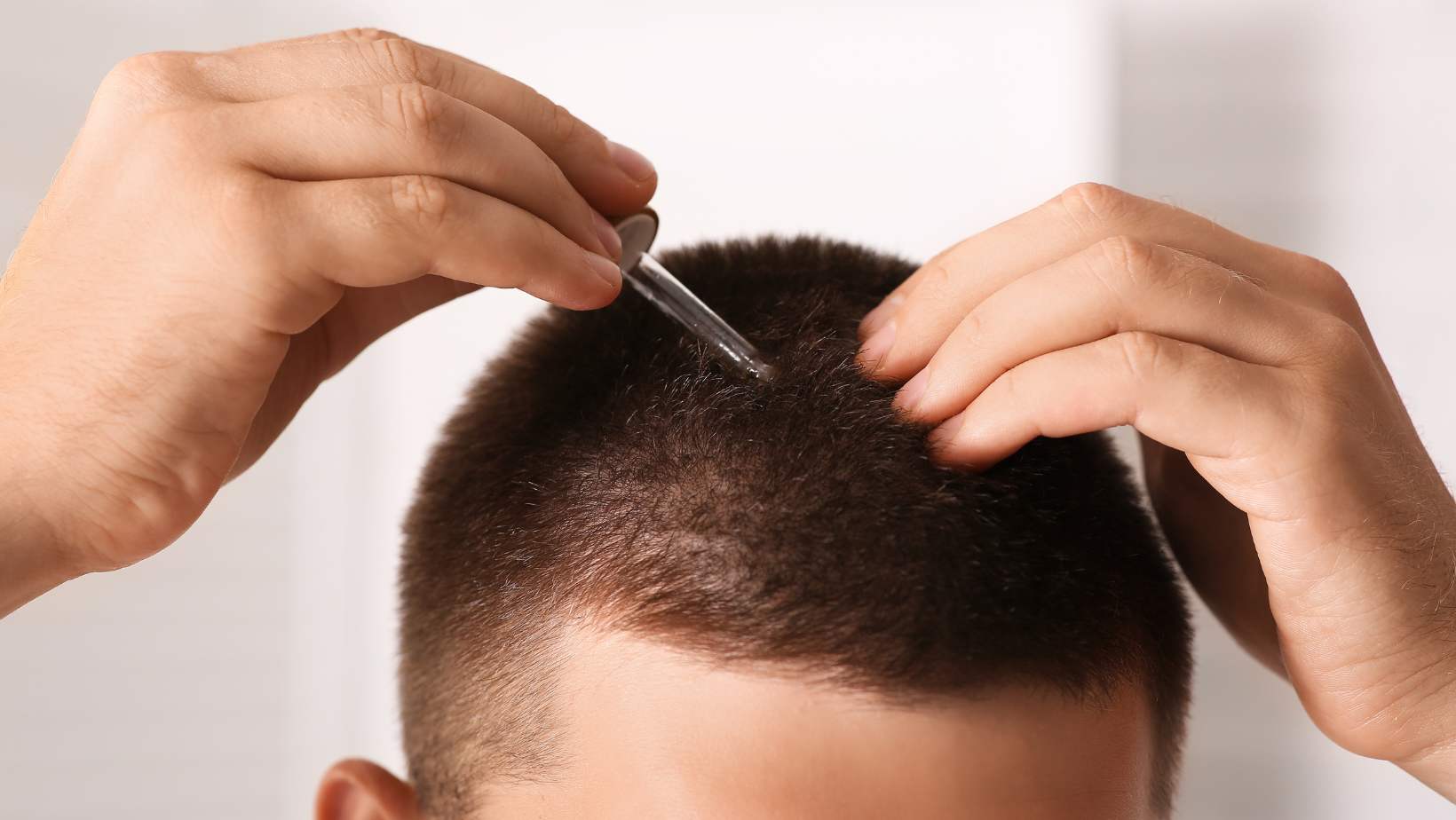
Finasteride targets the root cause of pattern hair loss.
It works by:
- blocking the enzyme 5-alpha reductase
- reducing conversion of testosterone into DHT
- lowering DHT levels in the scalp
This helps protect follicles from miniaturization.
According to clinical data summarized in PubMed, reducing DHT is one of the most effective ways to slow androgenetic hair loss.
Short explanation. Less DHT, less follicle stress.
Does creatine interfere with finasteride?
There is no strong evidence showing that creatine cancels out or reduces the effect of finasteride.
Key points:
- creatine does not directly block or override finasteride
- no clinical studies show negative interaction
- hormonal effects of creatine are inconsistent and not proven
Even if creatine had a mild effect on DHT in some individuals, finasteride’s mechanism is much stronger and more targeted.
Can they be used together safely?
For most people, yes.
Using creatine and finasteride together is generally considered safe because:
- they work through different pathways
- one supports performance, the other manages DHT
- no known harmful interaction has been confirmed
However, individual responses can vary.
When to be cautious
You may want to monitor more closely if:
- you are highly sensitive to hormonal changes
- you notice increased shedding after starting both
- you already have aggressive pattern hair loss
In these cases, tracking changes helps identify what’s happening.
Dr. Ahmet Murat explains:
“Finasteride directly targets DHT at the follicle level. Creatine does not interfere with this process in a clinically meaningful way. When both are used, we focus on how the patient responds rather than assuming a problem.”
Practical takeaway
If you are using finasteride:
- you do not need to automatically stop creatine
- focus on monitoring hair stability over time
- adjust only if clear changes appear
This is the key point. No proven conflict, but stay aware.
Will hair grow back if you stop creatine?
In most cases, yes. If you notice shedding and stop creatine, hair often stabilizes and regrows. The outcome depends on whether the follicles are healthy and whether another cause is present.
This is where many people ask: is the change temporary, or something deeper?
Reversible vs genetic hair loss
If hair changes are linked to temporary factors such as:
- training-related stress
- diet changes
- lifestyle shifts
then regrowth is likely once the trigger is removed.
In these cases:
- shedding slows down
- growth cycles normalize
- hair gradually regains thickness
Short truth. Temporary causes, temporary effects.
If hair loss is genetic:
- follicles are sensitive to DHT
- thinning progresses over time
- stopping creatine does not reverse the underlying process
This distinction is very important.
What to expect after stopping creatine
Hair recovery does not happen immediately. It follows the natural hair cycle.
Typical timeline:
- first few weeks: shedding may continue
- 1–3 months: shedding stabilizes
- 3–6 months: early regrowth becomes noticeable
- 6–12 months: density improves gradually
This delay is normal. Hair responds slowly to internal changes.
When regrowth may not happen
If thinning continues after stopping creatine, it usually means:
- another cause is involved
- genetic hair loss is progressing
- underlying factors were already present
According to research indexed in PubMed, hair loss progression is most strongly linked to genetic and hormonal factors rather than isolated supplement use.
What improves first
Before visible regrowth, you may notice:
- reduced shedding
- stronger hair texture
- improved scalp condition
These are early signs of recovery.
Dr. Ahmet Murat explains:
“When hair loss is not driven by permanent follicle damage, recovery is possible. The key is identifying the real cause rather than focusing on a single supplement.”
This is the key takeaway. Stopping creatine helps only if it was part of the problem.
Who should be cautious with creatine?
Most people can use creatine without any effect on their hair. Still, some individuals may want to be more attentive, especially if they already have risk factors for thinning.
Genetic hair loss risk
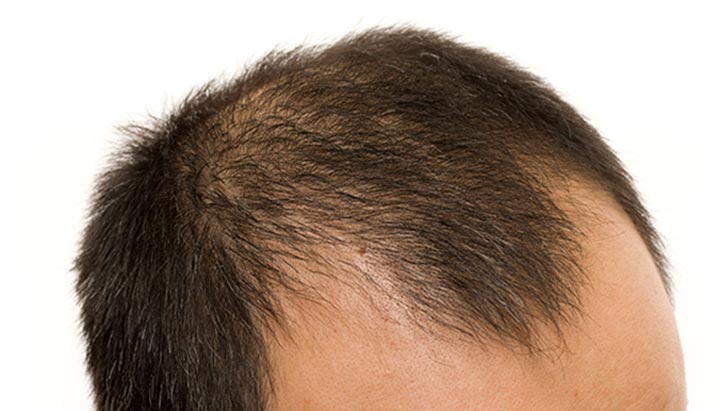
If you have a family history of pattern hair loss, your follicles are more sensitive to DHT. This sensitivity is the main driver of thinning, not creatine itself.
In these cases:
- hair loss may already be progressing
- changes may become noticeable during the same period
- creatine may be blamed even if it is not the cause
Short insight. Genetics sets the baseline.
Early signs of thinning
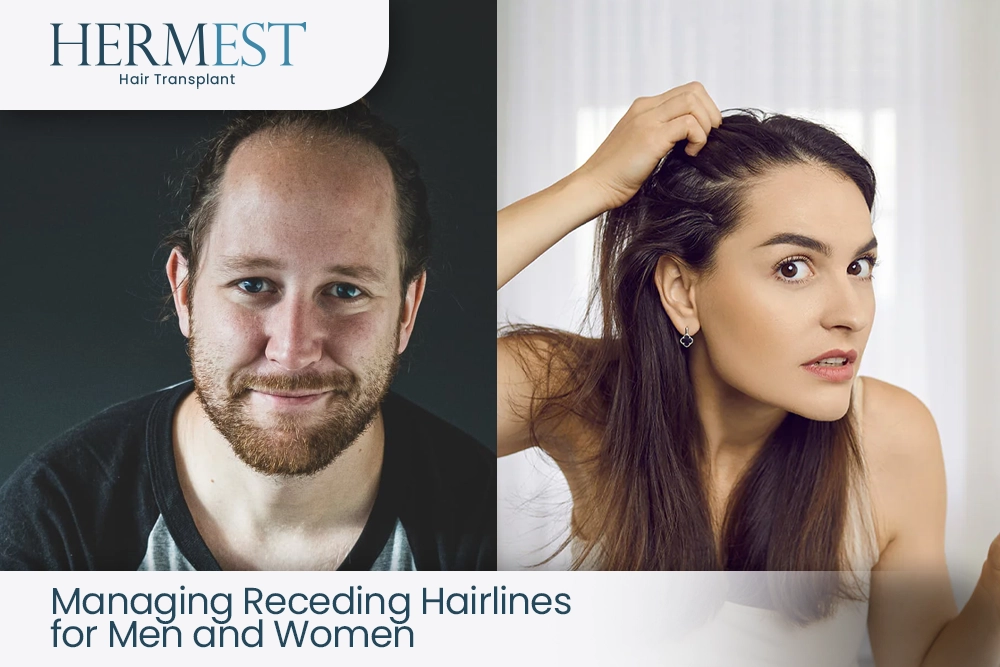
If you are already noticing:
- receding hairline
- thinning at the crown
- reduced density
then monitoring your hair while using supplements is a smart approach.
Creatine does not need to be stopped immediately, but awareness matters.
Hormone-sensitive individuals

Some people are more sensitive to hormonal fluctuations.
This includes:
- individuals with androgen sensitivity
- those already managing hair loss medically
- people tracking DHT-related changes
In these cases, even small changes in the body may feel more noticeable.
Athletes under high physical stress
This is often overlooked.
People who use creatine are usually:
- training intensely
- managing calorie intake
- experiencing physical stress
These factors can influence hair independently.
This is why changes are sometimes linked to creatine, even when other variables are involved.
When to take a closer look
Pay attention if you notice:
- rapid increase in shedding
- visible thinning within a short time
- continued progression despite stable routines
In these situations, it is worth evaluating all contributing factors.
Dr. Ahmet Murat says:
“We don’t focus on creatine alone. We evaluate genetics, lifestyle, and scalp condition together. Hair loss is usually a combination of factors, not a single cause.”
This is the key point. Context defines risk.
FAQs
Hair changes, if they occur, are not immediate. Any noticeable shedding usually appears weeks or even months later. This delay happens because hair follows a growth cycle. If someone connects creatine and hair loss, it’s often due to timing rather than a direct effect from the supplement itself.
Don’t Guess — Understand What’s Really Affecting Your Hair
If you’re worried about creatine and hair loss or questioning the creatine hair loss myth, the biggest mistake is making decisions without clarity. Stopping supplements blindly won’t solve the real issue if the cause is genetic or hormonal.
At Hermest Hair Transplant Clinic, we analyze hair loss at the follicle level, not just based on assumptions. Our team evaluates your hair pattern, genetic risk, and lifestyle factors to give you clear answers.
You’ll get:
- a detailed hair and scalp analysis
- insight into whether supplements play any role
- personalized recommendations based on your condition
- a strategy to protect and strengthen your hair long-term
Dr. Ahmet Murat advises:
“Hair loss is rarely caused by a single factor like creatine. When we identify the real cause, we can guide patients with confidence instead of guesswork.”
Book your consultation today and find out exactly what’s happening with your hair before making unnecessary changes to your routine.