

Hair Transplant Side Effects: Risks, Recovery & Prevention
 ChatGPT
 Claude
 Perplexity
 Grok
Grok
 Gemini

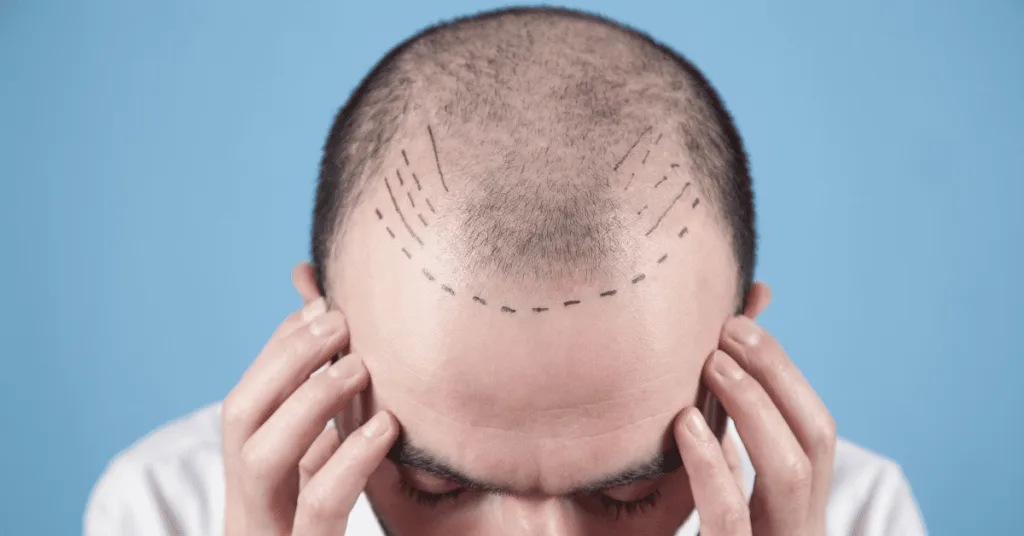
When people research hair transplant side effects, the first concern is usually whether these issues are normal or signs of something serious. At Hermest Hair Clinic, we know that patients want clarity before taking such a life-changing step. Understanding what are the side effects of hair transplant—both common and rare—helps set realistic expectations and ensures a safer recovery journey.
Most patients undergo either FUE hair transplant side effects or DHI hair transplant side effects, as these two techniques are the most widely performed today. While both methods are safe when carried out by experienced surgeons, no surgical procedure is completely free from hair transplant risks.
Temporary issues such as hair transplant swelling, redness after hair transplant, or mild pain after hair transplant are part of the body’s natural healing process. On the other hand, poorly managed procedures can result in more serious complications of hair transplant, leading to concerns such as scarring or even bad hair transplant results.
Dr. Ahmet Murat explains:
“We reassure our patients that the majority of side effects like mild swelling, itching, or crusting are temporary and manageable. The real problem occurs when operations are done in unqualified clinics—this is when you see cases of hair transplant gone wrong. At Hermest, we focus on preventive techniques, sterile environments, and personalized care to avoid unnecessary risks.”
Patients often ask us if these effects are permanent. The good news is that for most individuals, issues like scabs after hair transplant, hair transplant crusting, or bruising after hair transplant resolve naturally within days or weeks. Knowing the typical timeline reduces anxiety and helps patients distinguish normal healing from warning signs.
This article breaks down every stage of side effects—from the immediate aftermath to rare long-term complications—so you know exactly what to expect.
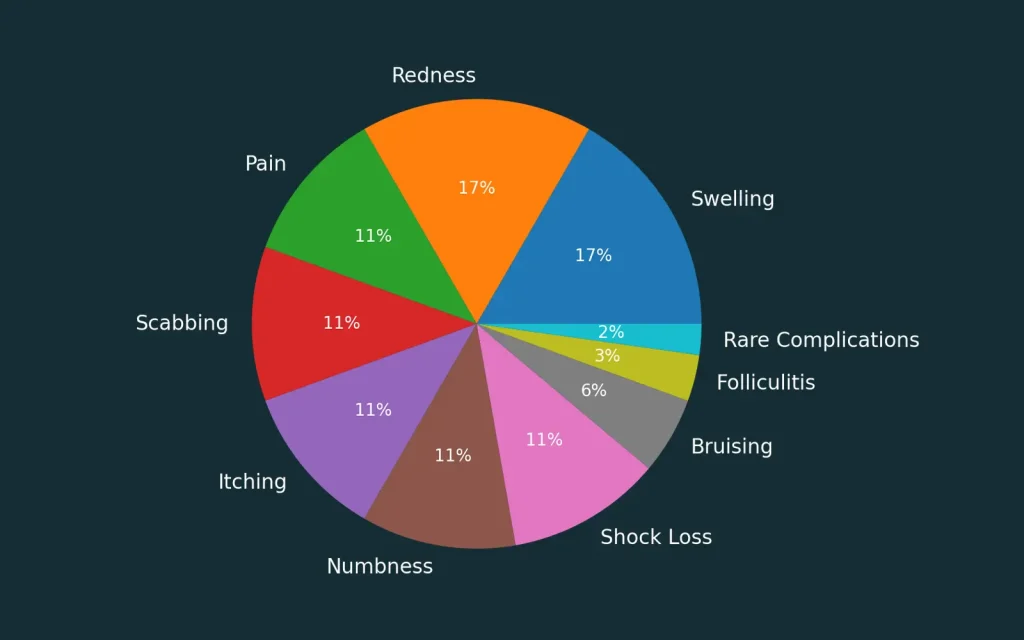
Quick Insights: Hair Transplant Side Effects
- Most side effects are temporary — swelling, redness, pain, itching, numbness, scabs, and bruising usually resolve within days or weeks.
- Shedding (shock loss) is normal — transplanted hairs may fall out in the first month but regrow stronger within 2–3 months.
- Serious complications are rare — infections, cysts, or poor results usually occur only in unqualified clinics.
- Prevention and aftercare matter — proper washing, avoiding scratching, sun protection, and healthy habits reduce risks.
- Choosing the right clinic is key — expert surgeons and sterile conditions at Hermest Hair Clinic ensure natural, lasting results without long-term risks.
Immediate Post-Op Side Effects (Days 0–7)
The first week after surgery is the most sensitive stage for patients, and it’s normal to notice several hair transplant side effects during this time. These short-term effects are expected, as your scalp is healing from thousands of micro-incisions made during FUE or DHI. Knowing what to expect can ease anxiety and prevent unnecessary worry.
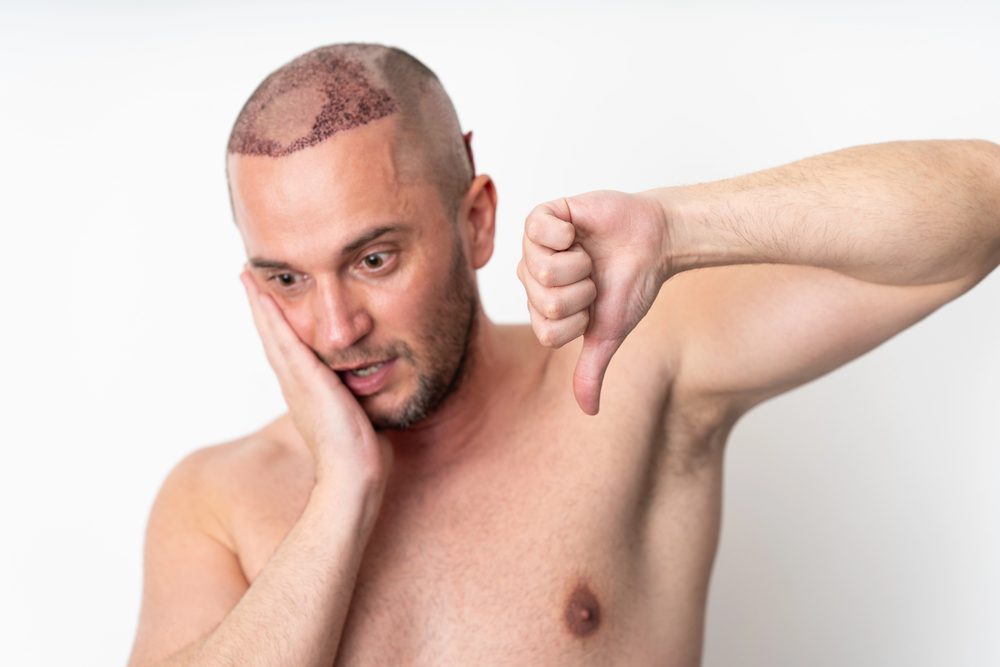
Common side effects in the first week:
- Hair transplant swelling: Usually visible around the forehead and sometimes the eyes. It peaks within the first three days and fades naturally.
- Redness after hair transplant: The recipient and donor areas appear red, similar to a mild sunburn.
- Pain after hair transplant: Mild discomfort is common, especially in the donor area. Surgeons usually recommend over-the-counter pain relief.
- Bleeding after hair transplant: Tiny spots of blood can appear in the first 24–48 hours, which is normal and not a cause for alarm.
- Scabs after hair transplant and hair transplant crusting: Small crusts form around grafts. These are part of the healing process and should never be picked.
- Bruising after hair transplant: Occasionally visible near the eyes if swelling spreads downward.
Dr. Ahmet Murat comments:
“Most of these immediate effects are temporary responses of the skin. At Hermest Hair Clinic, we apply advanced cooling protocols and specific aftercare techniques to minimize swelling and discomfort. Patients are given personalized recovery instructions because small details—like sleeping with the head elevated—can make a big difference.”
What patients should avoid:
- Scratching the scalp, even if itching after hair transplant occurs.
- Washing the hair before the surgeon advises (usually 48 hours later).
- Physical exertion or bending that may worsen swelling or bleeding.
Understanding these early complications of hair transplant helps patients feel reassured. Temporary redness, crusting, or a tingling sensation hair transplant patients often report are not signs of a failed operation but part of the natural recovery sequence. By following proper aftercare, these effects typically resolve within 7–10 days, leaving the scalp ready for the next healing stage.
First Few Weeks After Hair Transplant (Weeks 1–4)
After the initial healing of the first week, patients enter a period where some side effects may continue while others begin to fade. Understanding what’s normal during this stage is essential for avoiding panic and identifying genuine hair transplant risks.
Common side effects between weeks 1–4:
- Itching after hair transplant: As new skin layers form, itching becomes one of the most common complaints. It should improve gradually but can be eased with the clinic’s prescribed spray or lotion.
- Numbness after hair transplant: Some patients experience reduced sensation in the donor or recipient area. This usually fades over weeks as nerves recover.
- Tingling sensation hair transplant patients often mention: A sign of nerve endings healing. It is temporary and harmless.
- Shock loss (shedding): Around week 2 or 3, transplanted hairs may begin to shed. This can be alarming, but it is a normal stage of regrowth.
- Pimples or folliculitis: Small bumps may appear where grafts were implanted. They typically resolve on their own or with mild treatment.
Dr. Ahmet Murat notes:
“This stage is where patients often worry the most, especially during shedding. At Hermest Hair Clinic, we emphasize that shock loss is not a sign of hair transplant gone wrong—it is actually a step toward stronger regrowth. Clear guidance during these weeks prevents unnecessary anxiety.”
What to monitor during weeks 1–4:
- Persistent redness or swelling beyond 3–4 weeks may suggest irritation.
- Severe pain or pus can indicate infection, a rare but serious complication of hair transplant.
- Uneven healing patterns in the donor area should be reported.
By the end of the first month, most temporary side effects such as redness after hair transplant, crusts, and itching should resolve. Patients can return to more normal routines, though strenuous activities and sun exposure should still be limited.
At Hermest, careful follow-up ensures that any unusual issues are caught early. This stage is about building confidence that recovery is on track and avoiding misinterpretation of normal healing as bad hair transplant results.
1–3 Months: Healing & Regrowth Phase
Between the first and third month, patients enter a transitional period where the scalp recovers from early hair transplant side effects and begins preparing for visible regrowth. This stage often brings reassurance, but it can still raise questions—especially when shedding and uneven growth patterns occur.
What to expect during 1–3 months:
- Residual numbness after hair transplant: Some patients continue to feel reduced sensitivity in donor or recipient areas. This typically improves as nerve endings regenerate.
- Tingling sensation hair transplant patients sometimes report: An encouraging sign that the healing process is active.
- Redness after hair transplant: For some individuals, especially with lighter skin, redness can linger for several weeks before fading.
- Shock loss recovery: After shedding in the first month, new hairs begin to sprout, though they may look thin and uneven at first.
- Mild folliculitis or pimples: These can reappear as new hairs break through the scalp but usually resolve quickly.
Dr. Ahmet Murat emphasizes:
“This stage is where patients need patience. Seeing thin, uneven growth after shedding often makes people fear bad hair transplant results, but in reality, this is just the scalp adjusting. At Hermest Hair Clinic, we explain that final results can only be judged after 12 months. Regular follow-up helps reassure patients and spot rare issues like infection or scarring early.”
Main points for patients during this phase:
- Pain after hair transplant should be gone by now; persistent pain may indicate a complication.
- Avoid scratching if itching after hair transplant reappears.
- Protect the scalp from sun exposure, which can worsen redness and irritation.
- Stay consistent with prescribed aftercare products to prevent dryness and irritation.
By the end of the third month, patients usually see the first true signs of regrowth. Any remaining bruising after hair transplant or swelling should have resolved completely. At this stage, the focus shifts from recovery to monitoring healthy hair development. With proper care and professional guidance, the journey moves steadily toward long-term success.
Long-Term and Less Common Side Effects
While most hair transplant side effects are temporary, a small percentage of patients may face longer-lasting or unusual issues. These cases are less common, but being aware of them helps set realistic expectations and reduces unnecessary fear.
Possible long-term effects:
- Hair transplant scarring: More common with FUT due to the linear strip removal. FUE usually leaves tiny, barely visible marks if performed by an expert.
- Permanent numbness after hair transplant: Rare, but can occur if nerve endings in the scalp don’t fully recover.
- Uneven growth or density: Sometimes referred to as bad hair transplant results, often linked to poor surgical planning or inexperienced clinics.
- Failed grafts: A small percentage of grafts may not survive. Proper technique minimizes this risk.
- Cysts after hair transplant: Small bumps under the skin that can appear when hair follicles are trapped. These are usually minor and treatable.
Dr. Ahmet Murat highlights:
“Most patients never experience these complications when treated in a qualified clinic. Unfortunately, we frequently see corrections for cases where people chose low-cost, unlicensed providers. This is where you hear stories of hair transplant gone wrong—from infections to unnatural hairlines. At Hermest Hair Clinic, we design every procedure with precision to prevent these outcomes.”
Rare or unusual side effects reported:
- Hiccups: A rare reaction possibly linked to nerve stimulation during healing.
- Persistent redness after hair transplant: Can last longer than expected in sensitive skin types.
- Psychological impact: Anxiety or disappointment if results don’t meet expectations, often due to unrealistic promises from unqualified clinics.
These rare complications of hair transplant is not meant to scare patients but to highlight the importance of choosing experienced surgeons. The majority of side effects fade naturally, but when something doesn’t, early professional intervention is key.
At Hermest, we focus on long-term follow-up and realistic goal-setting to ensure patients are fully supported—even months or years after the operation.
Risks from Unqualified Providers
Many patients worry about hair transplant side effects, but the truth is that most temporary issues like hair transplant swelling, scabs after hair transplant, or mild pain after hair transplant are completely normal. The real danger comes when the procedure is carried out in unqualified or unlicensed clinics. This is where patients often face serious complications of hair transplant and long-lasting problems.
Common risks in low-quality clinics:
- Infections: Poor hygiene and lack of sterile equipment can lead to pus, fever, and long-term scarring.
- Bad hairline design: Poor planning results in unnatural or uneven growth, one of the main reasons for bad hair transplant results.
- Overharvesting donor area: Taking too many grafts leaves visible thinning at the back of the head.
- Hair transplant gone wrong cases: Patients may suffer from patchy results, chronic numbness, or failed graft survival.
- Unnecessary bleeding after hair transplant: Caused by improper surgical technique and lack of hemostatic control.
Dr. Ahmet Murat stresses:
“Every week, we meet patients who come to Hermest for correction procedures after being treated at unqualified centers. Their experiences prove that the real risk is not the operation itself, but where and how it is performed. When standards are ignored, the side effects can become permanent.”
Red flags for patients to watch out for:
- Clinics that promise “scar-free” results without clarifying techniques (FUE or DHI).
- Extremely low prices that compromise safety and expertise.
- No post-op care plan or follow-up schedule.
- Lack of medical supervision—operations done by technicians rather than licensed doctors.
Choosing the right clinic reduces the likelihood of severe hair transplant risks. At Hermest Hair Clinic, we combine advanced FUE and DHI techniques with strict safety protocols, ensuring side effects remain temporary and manageable. Patients deserve natural-looking, safe results without the fear of long-term damage.
When to Seek Medical Help
Most hair transplant side effects are short-lived and part of the natural healing cycle. Temporary redness after hair transplant, mild pain after hair transplant, or itching after hair transplant are normal responses that improve with proper care. However, there are certain warning signs patients should never ignore, as they may point to serious complications of hair transplant.
Warning signs that require immediate medical attention:
- Excessive bleeding after hair transplant that doesn’t stop with gentle pressure.
- Severe swelling spreading to the eyes or face beyond the first week.
- Persistent pus or foul odor at the donor or recipient sites, indicating infection.
- Unbearable pain that does not improve with prescribed medication.
- High fever or chills, which may signal systemic infection.
- Cysts after hair transplant or painful lumps that worsen instead of heal.
- Permanent numbness after hair transplant lasting longer than three months.
Dr. Ahmet Murat advises:
“The majority of side effects we see—like hair transplant crusting or bruising after hair transplant—are harmless and temporary. But if patients feel something unusual, it’s always better to consult their surgeon early. Quick intervention can prevent small problems from becoming permanent complications.”
Why early action matters:
- Infections left untreated can cause graft loss and permanent scarring.
- Misinterpreting serious symptoms as “normal” delays proper care.
- Psychological stress increases when patients fear hair transplant gone wrong, even if the issue is manageable.
At Hermest Hair Clinic, we provide direct communication channels for patients to reach their medical team post-surgery. This ensures that if unusual side effects appear, treatment is immediate and tailored.
Knowing what are the side effects of hair transplant that are normal versus those that are dangerous helps patients recover with peace of mind. With the right support, side effects remain temporary, and recovery stays on track.
Enhance Healing & Prevention
Recovering smoothly after a hair transplant depends on how well patients manage early hair transplant side effects. While temporary issues such as hair transplant swelling, scabs after hair transplant, or itching after hair transplant are expected, the right aftercare minimizes discomfort and lowers the risk of serious complications of hair transplant.
Practical steps to improve healing:
- Follow post-op washing instructions: Gentle washing after 48 hours helps remove dried blood and reduces hair transplant crusting.
- Sleep with your head elevated: This reduces swelling and bruising.
- Avoid scratching: Even when itching peaks, scratching can dislodge grafts and worsen healing.
- Protect from sun exposure: Direct sunlight may intensify redness after hair transplant and delay recovery.
- Stay hydrated and eat nutrient-rich foods: Supports circulation and tissue repair.
- Avoid smoking and alcohol: Both impair healing and increase the chance of poor graft survival.
Dr. Ahmet Murat shares:
“Every patient receives a tailored recovery kit at Hermest Hair Clinic. These include medical-grade shampoos and sprays to soothe the scalp, reduce irritation, and prevent infection. Patients often tell us that following these steps not only made them more comfortable but also gave them confidence their results would last.”
Why prevention matters:
- Reduces anxiety caused by normal side effects.
- Lowers the chance of infection, scarring, or delayed healing.
- Improves the appearance of the scalp during the first critical months.
- Ensures transplanted hairs have the highest survival rate.
By applying these simple but essential steps, patients can avoid unnecessary risks and enjoy a smoother recovery journey. At Hermest, prevention is not just about avoiding bad hair transplant results—it’s about giving patients the tools and guidance they need for long-term success.
Hair Transplant Side Effects Summary Table
| Side Effect | When It Appears | Duration | Normal or Warning? | Notes |
|---|---|---|---|---|
| Hair transplant swelling | Days 1–3 | 2–5 days | Normal | Forehead/eye swelling is temporary; elevating the head helps. |
| Redness after hair transplant | Days 1–7 (can last weeks) | 1–6 weeks | Normal (unless pus or pain) | More visible in light skin tones; fades naturally. |
| Pain after hair transplant | First 2–3 days | < 1 week | Normal | Mild and managed with pain relievers; severe pain = seek help. |
| Bleeding after hair transplant | First 24–48 hours | 1–2 days | Normal (small spots) | Persistent bleeding = warning sign. |
| Scabs after hair transplant | Days 2–10 | 7–10 days | Normal | Do not pick; scabs protect new grafts. |
| Hair transplant crusting | Days 2–10 | 1–2 weeks | Normal | Washing per instructions reduces crusts. |
| Itching after hair transplant | Days 3–14 | 1–2 weeks | Normal | Avoid scratching; use soothing sprays/shampoos. |
| Numbness after hair transplant | Weeks 1–4 | Weeks–Months | Normal (temporary) | Nerve endings heal gradually; rare cases persist longer. |
| Tingling sensation hair transplant | Weeks 1–8 | Weeks–Months | Normal | Sign of nerve recovery; harmless. |
| Bruising after hair transplant | Days 2–5 | 1 week | Normal | May appear near eyes due to fluid shift; fades quickly. |
| Shock loss (shedding) | Weeks 2–4 | Temporary (hair regrows) | Normal | Shedding is part of growth cycle; regrowth starts around 3 months. |
| Folliculitis / pimples | Weeks 2–6 | A few days each | Normal (unless painful) | Small bumps appear as new hairs grow; persistent inflammation needs care. |
| Infection | Rare (any time) | Until treated | Warning | Pus, fever, pain → seek medical help immediately. |
| Scarring | Long-term | Permanent | Rare (esp. FUT) | FUE leaves tiny dot scars; FUT may leave a linear scar. |
| Cysts | Months later | Temporary with treatment | Rare | Small lumps from trapped follicles; treatable. |
| Bad hair transplant results | Months later | Permanent (needs fix) | Warning | Caused by poor technique or unqualified providers; may require revision. |
Hair Transplant Side Effects: Statistics & Trends
- Global procedure volume – Over 700,000 hair restoration surgeries were performed worldwide in 2022, with Turkey accounting for nearly 20% of the market (ISHRS).
- Complication rates – Serious complications of hair transplant (such as infection or scarring) are very rare, affecting less than 2% of patients when performed in accredited clinics (ISHRS).
- Shock loss occurrence – Around 30–50% of patients experience temporary shedding (shock loss) in the first 4–6 weeks after surgery, which typically reverses with regrowth (PubMed studies).
- FUE vs FUT scars – Studies show 92% of patients prefer FUE over FUT, largely due to less visible scarring and fewer long-term hair transplant side effects (Journal of Cutaneous Aesthetics Surgery).
- Pain duration – More than 80% of patients report only mild pain after hair transplant, usually resolving within the first 5–7 days (Clinical Cosmetic and Investigational Dermatology).
- Redness and swelling – Temporary hair transplant swelling is reported by about 60–70% of patients, and redness after hair transplant can persist longer in fair-skinned individuals (Dermatologic Surgery Journal).
- Infection risks – Infections occur in less than 1% of modern FUE or DHI cases, highlighting the importance of sterile surgical environments (British Journal of Dermatology).
- Patient regret trends – Surveys reveal that about 12% of patients who went to low-cost, unlicensed clinics expressed regret due to bad hair transplant results (International Journal of Trichology).
- Revision surgeries – Nearly 15–20% of hair transplant patients worldwide seek a second procedure, often to correct density or poor results from previous operations (ISHRS Annual Survey).
- Market growth – The global hair transplant market is projected to reach USD 31 billion by 2031, driven by increasing demand for FUE and DHI techniques and rising patient awareness about safety and recovery (Fortune Business Insights, 2024).
FAQs on Hair Transplant Side Effects
The most common hair transplant side effects in the first week include hair transplant swelling, mild pain after hair transplant, redness after hair transplant, and small scabs after hair transplant. These are normal responses to healing and usually resolve within 7–10 days. Patients should avoid scratching or picking crusts and follow their surgeon’s aftercare instructions to minimize discomfort and prevent complications.
Conclusion: Managing Hair Transplant Side Effects with Confidence
Every patient considering a transplant wonders about hair transplant side effects—and rightly so. Knowing what are the side effects of hair transplant helps distinguish between normal healing reactions and warning signs that require medical attention. Temporary issues like hair transplant swelling, redness after hair transplant, mild pain after hair transplant, or scabs after hair transplant are expected and usually disappear within weeks.
More serious complications of hair transplant—such as infections, cysts, or poor hairline design—are almost always linked to unqualified providers.
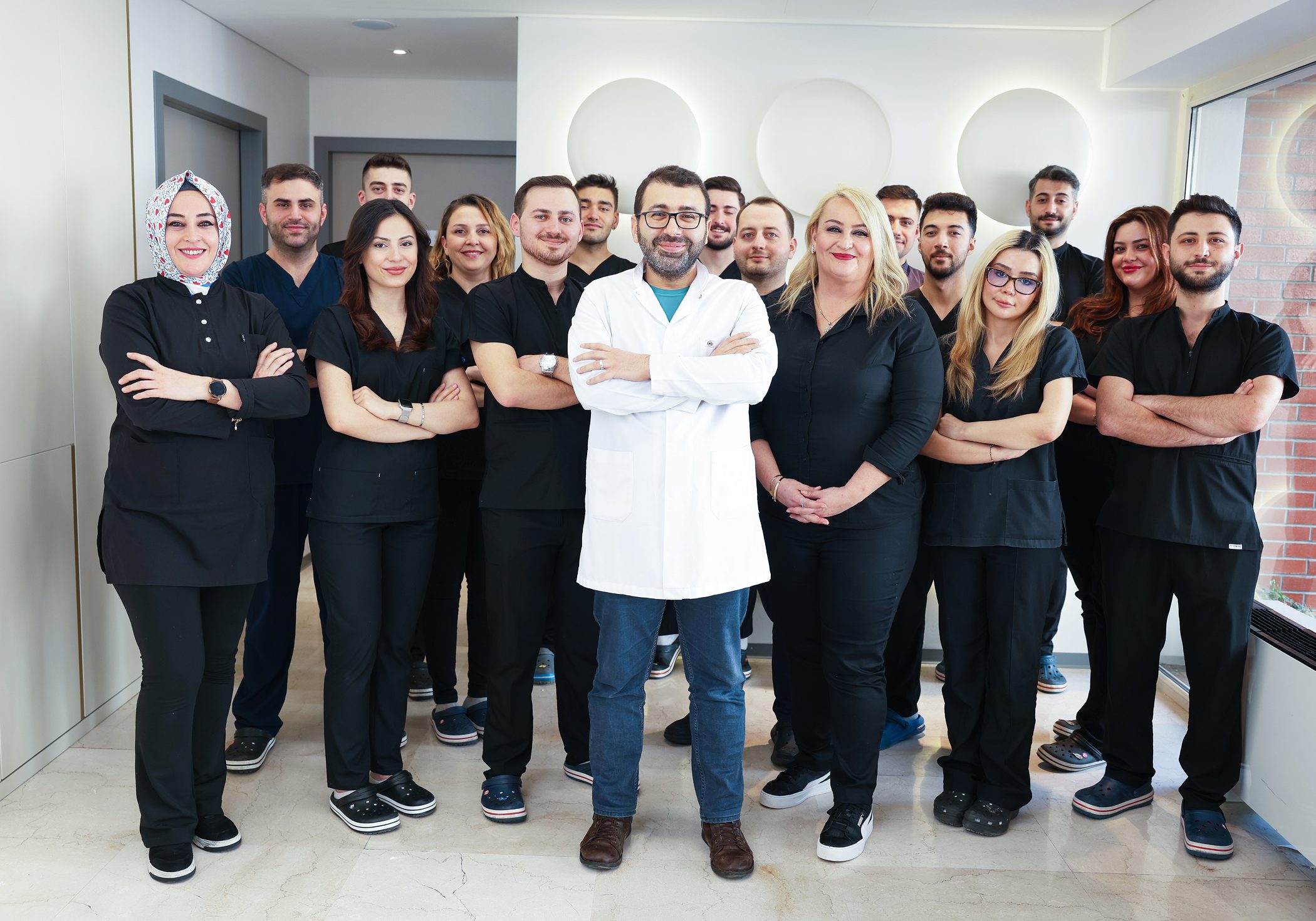
At Hermest Hair Clinic, we’ve built our reputation on guiding patients through every stage of recovery. From preventing hair transplant crusting and controlling swelling to managing itching after hair transplant or numbness, our personalized care ensures patients heal safely and comfortably.
Dr. Ahmet Murat concludes:
“Side effects are part of healing, but they should never define your experience. With proper planning, sterile surgical technique, and attentive aftercare, they remain temporary and manageable. The real goal is natural, permanent results that improve both appearance and confidence.”
If you are worried about bad hair transplant results or have heard stories of hair transplant gone wrong, remember that your outcome depends largely on where you place your trust. At Hermest Hair Clinic, our experienced team and advanced FUE and DHI methods ensure safe procedures with lasting, natural results.
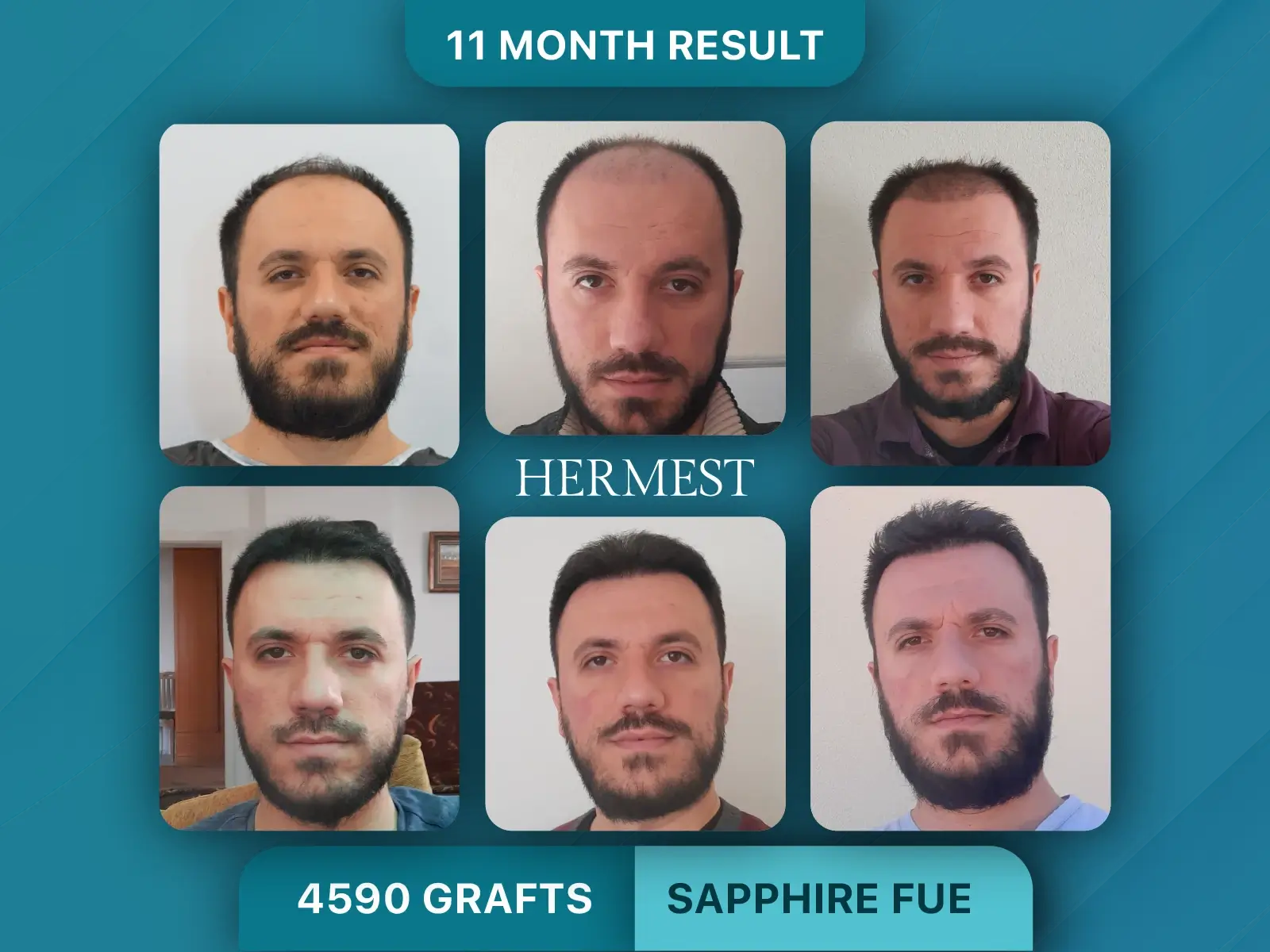
Thinking about a transplant? Don’t leave your hair, health, or confidence to chance. Contact Hermest Hair Clinic today for a personalized consultation with Dr. Ahmet Murat and discover how safe, effective, and life-changing a properly performed hair transplant can be.