

Aloe Vera for Hair: Benefits, Growth, Uses & Side Effects Guide
 ChatGPT
 Claude
 Perplexity
 Grok
Grok
 Gemini

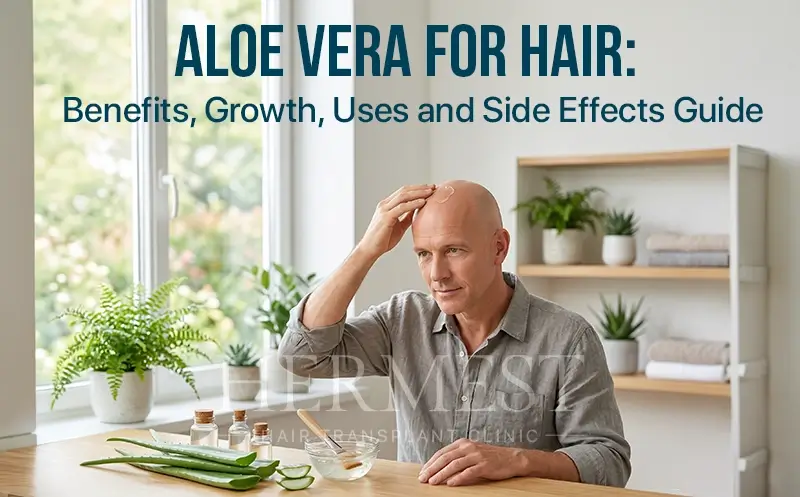
Search interest around aloe vera for hair has grown dramatically in recent years. People dealing with thinning hair, dandruff, dry strands, or scalp irritation often look for natural remedies before trying medical treatments. Aloe appears everywhere in hair masks, shampoos, and DIY routines. The promise sounds appealing. Apply a natural plant gel and watch your hair improve.
Reality is more nuanced.
Aloe vera gel for hair can help calm irritated scalp skin, add lightweight moisture, and improve the overall condition of hair fibers. These effects may reduce breakage and help the scalp feel healthier. A better scalp environment can support stronger hair growth over time. Yet aloe is not a proven cure for genetic hair loss or follicle miniaturization.
According to the National Center for Complementary and Integrative Health (NCCIH), aloe vera is widely used for its soothing and anti-inflammatory properties when applied to the skin. Those same properties explain why it can benefit the scalp as well. Many dermatologists view aloe primarily as a supportive ingredient rather than a hair regrowth treatment.
This distinction matters. Many people searching aloe vera for hair growth are actually struggling with different issues:
- dry hair and breakage
- dandruff or itchy scalp
- buildup from styling products
- irritation from dyes or heat styling
In those situations, aloe vera for hair and scalp care can play a helpful role.
Dr. Ahmet Murat says:
“Aloe vera can be a good supportive treatment for scalp comfort and hair hydration. But when patients come to us with true hair loss, especially genetic thinning, the solution requires proper diagnosis and targeted treatments.”
This guide explains everything you need to know about aloe vera for hair benefits, including how it works, how to use it correctly, and when it may not help. You will learn realistic expectations, application techniques, and safety considerations based on dermatology knowledge and clinical experience.
At a glance: aloe vera for hair
- Aloe vera for hair benefits mainly relate to scalp soothing and hydration.
- It may reduce itching, dandruff, and dryness.
- Aloe can improve hair softness and reduce breakage.
- Evidence for direct hair growth stimulation remains limited.
- Correct application and moderate use prevent buildup or irritation.
- Persistent hair loss should always be evaluated medically.
Does aloe vera help hair growth or mainly support scalp health?
The short answer is simple. Aloe vera supports scalp health far more than it directly stimulates hair growth.
Many articles online claim that aloe vera for hair growth can regrow thinning hair. Current research does not strongly support that claim. What aloe can do is improve scalp conditions that indirectly affect hair strength and shedding.
A healthy scalp environment matters more than most people realize.
Hair follicles sit inside living skin. When the scalp becomes inflamed, excessively oily, or covered with product residue, follicles may function less efficiently. Aloe contains compounds that can help restore balance.
Several components contribute to this effect:
- polysaccharides that help retain moisture
- amino acids and vitamins
- anti-inflammatory fatty acids
- enzymes that may loosen buildup on the scalp
These ingredients help calm irritation and improve hydration.
According to dermatology references summarized by a famous US clinic, aloe vera has long been used topically to soothe skin inflammation and support healing processes. When applied to the scalp, similar soothing effects may reduce itching and redness.
Another important factor involves breakage.
Many people think they are losing hair when strands are actually breaking. Dry, damaged hair snaps easily during brushing or styling. Aloe vera gel for hair forms a thin hydrating layer around the hair shaft, which can improve flexibility and reduce breakage.
That improvement alone can make hair appear thicker.
Dr. Ahmet Murat explains:
“When I evaluate patients who tried aloe vera for hair growth, the improvement they notice often comes from less breakage and a calmer scalp. True follicle regrowth usually requires treatments that affect the hair cycle.”
Understanding this difference helps set realistic expectations.
Aloe vera for hair loss may help support scalp comfort and hair strength. Yet conditions like androgenetic alopecia, hormonal hair thinning, or autoimmune hair loss require medical evaluation and targeted therapies.
Used correctly, aloe can still be a useful part of a broader hair care routine.
What benefits of aloe vera for hair are actually supported?
Many articles promise dramatic aloe vera for hair benefits, from instant growth to thicker hair overnight. Those claims rarely match what research or dermatology experience shows. Aloe can be helpful, but the results depend on what problem you are trying to solve.
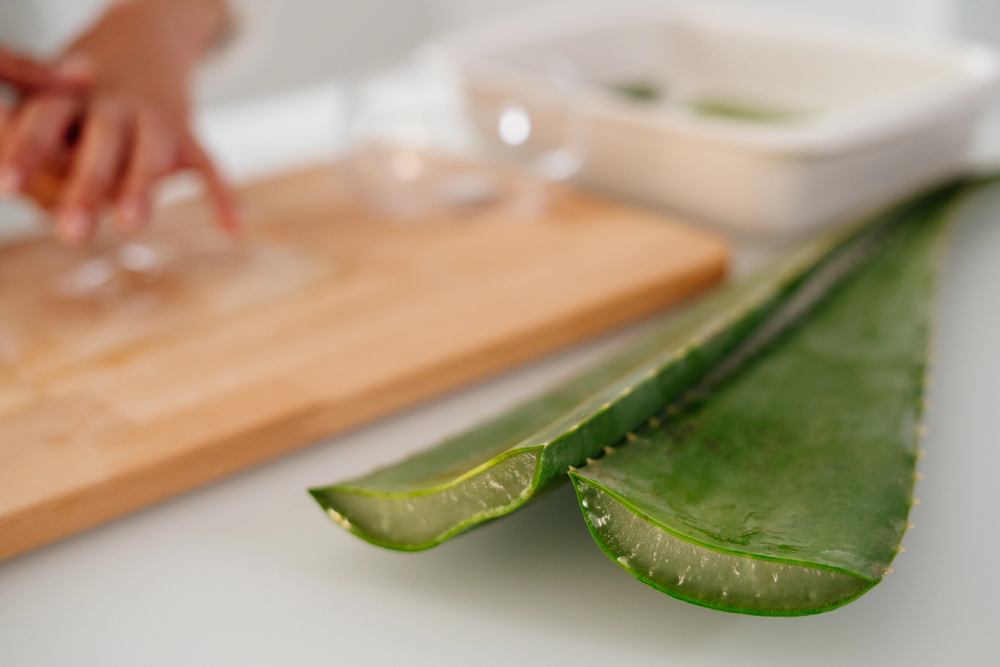
Most realistic benefits relate to scalp comfort and hair fiber condition rather than follicle regeneration. When used correctly, aloe vera for hair and scalp care can improve dryness, irritation, and buildup that often interfere with healthy hair.
Can aloe vera help dandruff and scalp irritation?
Yes, this is where aloe shows the strongest support.
Dandruff and seborrheic dermatitis create inflammation on the scalp. That inflammation can lead to itching, redness, and visible flakes. Some dermatology studies have examined aloe-based topical preparations for these symptoms. Research published in dermatology journals found that aloe treatments helped reduce itching and scaling in people with seborrheic dermatitis.
The explanation is fairly straightforward. Aloe contains compounds with anti-inflammatory and antimicrobial properties. These can calm irritated scalp skin and reduce discomfort.
When people apply aloe vera gel for hair, they often notice improvements such as:
- reduced itching
- less visible flaking
- calmer scalp sensation
According to dermatology information referenced on their official website, aloe has long been used to soothe irritated skin and support healing processes. The scalp responds in a similar way.
Dr. Ahmet Murat notes:
“Many patients with mild dandruff or scalp irritation report relief when using aloe-based products. It can help calm the scalp, which creates a better environment for healthy hair growth.”
Still, aloe is not always enough for severe dandruff. Persistent scaling may require medicated shampoos or dermatologic treatment.
Can aloe vera help oily scalp and product buildup?
In some cases, yes.
The enzymes and water-rich composition of aloe may help loosen residue left by styling products, oils, and dry shampoos. A scalp mask made with aloe vera for hair and scalp cleansing can help remove buildup before shampooing.
However, balance matters.
Heavy aloe gels can sometimes leave a sticky film. If the product contains thickening agents or sugars, buildup may actually worsen. Using lightweight formulations or rinsing thoroughly usually prevents this problem.
Can aloe improve dry hair and reduce breakage?
This is another common benefit.
Aloe vera for dry hair works mainly through hydration. Aloe behaves like a light humectant, attracting moisture and helping hair strands retain water. The gel also creates a thin coating around the hair shaft that improves smoothness.
This effect is particularly helpful for:
- heat-damaged hair
- chemically treated hair
- curly or textured hair types
People using aloe vera for curly hair often notice improved definition and softness when aloe is added to leave-in conditioners or styling gels.
Dr. Ahmet Murat explains:
“Hydration plays a huge role in hair strength. Aloe-based products can improve elasticity and reduce breakage, which makes hair appear fuller.”
These benefits explain why aloe remains widely used in shampoos, masks, and conditioners.
What is inside aloe vera that may support hair and scalp health?
The reason people use aloe vera for hair and scalp care comes down to its composition. Aloe gel contains water, sugars, amino acids, vitamins, and plant compounds that interact with skin and hair fibers. These ingredients do not magically create new follicles. They can, however, improve the environment where hair grows.
A fresh aloe leaf is more than 95 percent water. That high water content makes aloe vera gel for hair an effective hydrator. Hydration helps maintain scalp barrier function and keeps hair strands flexible rather than brittle.
Beyond water, aloe contains several groups of biologically active compounds.
What nutrients and compounds are present in aloe gel?
Aloe gel includes small amounts of:
- vitamins A, C, and E
- amino acids
- fatty acids
- enzymes
- polysaccharides that bind moisture
These compounds work together to create aloe’s soothing effect. The gel forms a thin layer that helps retain moisture and reduce irritation on the skin surface.
According to summaries from the National Center for Complementary and Integrative Health (NCCIH), aloe has anti-inflammatory and antioxidant properties when applied to skin. These properties help explain why it is commonly used to calm burns, irritation, and inflammatory skin conditions.
The scalp reacts in a similar way.
When irritation decreases, people often experience less itching and scratching. Reduced scratching lowers the chance of mechanical damage to hair follicles and shafts. This can indirectly support stronger hair.
Can aloe improve scalp barrier health?
The scalp barrier is the skin’s protective layer. When that barrier becomes compromised, moisture escapes and irritants enter more easily.
Aloe may help restore that balance.
Its polysaccharides attract water and form a protective film on the skin surface. This improves hydration and reduces tightness or dryness. People using aloe vera for dry hair often notice the scalp feels more comfortable after application.
Dr. Ahmet Murat explains:
“Many scalp problems begin with barrier disruption. When the scalp becomes dry or inflamed, hair quality suffers. Ingredients like aloe can help calm that irritation, which improves overall scalp health.”
Does aloe contain enzymes that help the scalp?
Some sources mention aloe enzymes that break down dead skin cells. While research is limited, these enzymes may contribute to mild exfoliation.
This is one reason people use aloe vera for hair loss prevention routines aimed at removing buildup from oils or styling products.
A cleaner scalp environment can support better follicle function.
Still, aloe works best as a supportive ingredient. Its strength lies in hydration, soothing inflammation, and improving hair fiber condition rather than directly stimulating hair follicles.
Who should try aloe vera for hair and who should avoid it?
Not everyone benefits from the same hair treatment. Aloe vera for hair and scalp care works best for specific problems, and understanding those situations helps avoid disappointment or irritation.
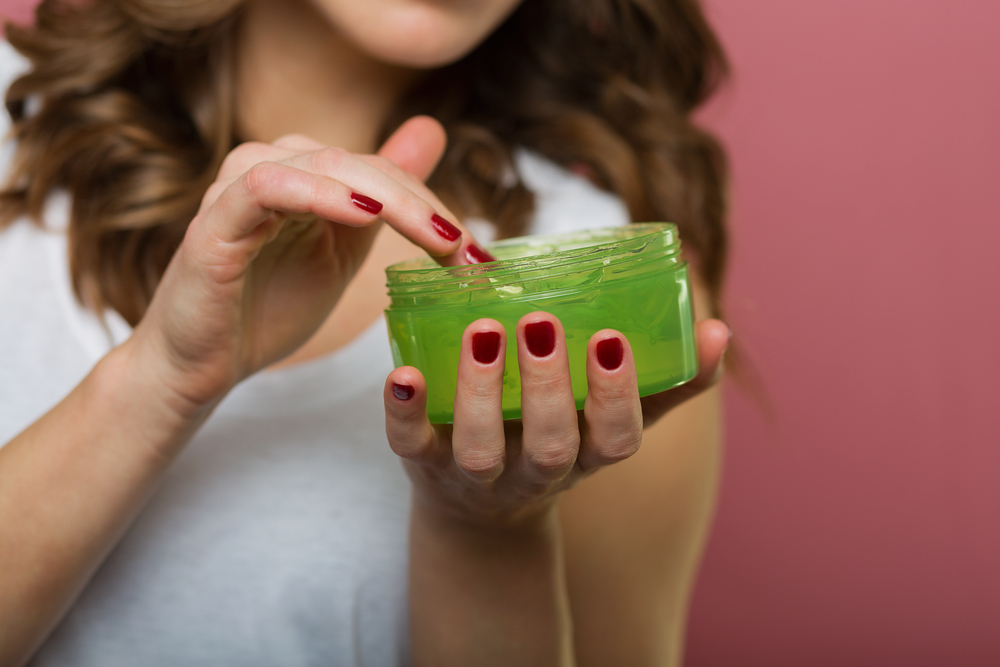
For many people, aloe becomes helpful when the issue involves scalp comfort or hair dryness rather than true follicle loss.
Who may benefit most from aloe vera for hair?
People dealing with mild scalp irritation or dryness often see the best results. Aloe vera gel for hair adds hydration and helps calm inflamed skin.
Common situations where aloe may help include:
- dry or tight scalp
- mild dandruff or flaking
- buildup from styling products
- heat-damaged hair strands
- aloe vera for dry hair routines needing extra moisture
- textured or curly hair needing lightweight hydration
Individuals with aloe vera for curly hair routines often use aloe-based gels or leave-in conditioners to define curls while maintaining moisture.
Because aloe is lightweight, it can hydrate hair without the heavy residue that oils sometimes leave behind. This makes it attractive for people with fine hair or oily scalps who still need moisture.
Dr. Ahmet Murat says:
“Many patients with scalp irritation benefit from soothing ingredients like aloe. It can help calm the skin barrier and improve comfort between medical treatments.”
However, aloe should not be viewed as a primary treatment for serious hair loss conditions.
Who may not see results from aloe?
People searching aloe vera for hair growth often hope it will reverse genetic hair thinning. That expectation is rarely realistic.
Conditions where aloe alone usually does not help include:
- androgenetic alopecia (pattern hair loss)
- hormonal hair thinning
- autoimmune hair loss such as alopecia areata
- severe inflammatory scalp diseases
These situations require professional diagnosis and targeted therapy.
Who should use caution with aloe vera?
Even natural ingredients can cause irritation in some individuals.
Possible reactions include:
- itching
- redness
- burning sensation
- allergic contact dermatitis
According to the National Center for Complementary and Integrative Health (NCCIH), topical aloe products can occasionally trigger skin reactions, especially in people sensitive to plants in the lily family.
For that reason, patch testing is recommended before applying aloe vera for hair overnight or on large scalp areas.
Dr. Ahmet Murat advises:
“Whenever patients try a new topical ingredient, I recommend testing a small area first. If redness or itching appears, stop using it immediately.”
How to use aloe vera for hair correctly
Knowing how to use aloe vera for hair makes a big difference in results. Many people apply too much product or leave it on too long. Others choose thick gels that create residue on the scalp. A simple routine works better.
The goal is to support scalp comfort and hair hydration without creating buildup. Aloe vera gel for hair can be used as a scalp mask, a light leave-in treatment, or a conditioner booster. Each method serves a different purpose.
Scalp mask method for aloe vera for hair and scalp
A scalp mask is the safest starting point. It allows aloe to calm irritation and loosen buildup before washing.
Apply a thin layer of aloe vera gel for hair directly onto the scalp. Massage gently with fingertips. This helps distribute the gel evenly and stimulates circulation.
Leave the gel on the scalp for about 30 to 45 minutes. Then rinse with a gentle shampoo.
This method works well for people dealing with:
- mild dandruff
- itchy scalp
- product buildup
- oil imbalance
Using this routine once or twice weekly is usually enough.
Leave-in treatment for aloe vera for dry hair
Some people prefer a leave-in approach. Aloe can function like a lightweight conditioner that adds slip and hydration.
After washing hair, apply a small amount of diluted aloe gel from mid-length to the ends. Avoid heavy application on the scalp.
This technique works particularly well for aloe vera for curly hair routines where definition and moisture are important.
Too much aloe may cause stiffness. Start with small amounts.
Dr. Ahmet Murat explains:
“Hair fibers need hydration, but balance matters. When patients apply excessive gel products, buildup forms on the scalp and hair. Moderation produces better results.”
Can you use aloe vera for hair overnight?
Some people leave aloe on their scalp overnight. This can work for dry scalp conditions, but it should be tested carefully.
If trying this method:
- apply a thin layer
- cover hair with a breathable cap
- wash the scalp in the morning
Those with sensitive skin should avoid overnight application.
Conditioner booster method
Another simple option is mixing aloe with conditioner. This improves moisture and reduces frizz without changing the hair routine too much.
A common combination is aloe with a small amount of coconut oil or argan oil for extra softness.
Using aloe correctly helps maximize its hair benefits while avoiding common problems like sticky residue or dryness.
How often should you use aloe vera on hair and how long should it stay on the scalp?
Frequency matters when using aloe vera for hair and scalp care. Many people assume natural ingredients can be used daily without limits. In reality, too much aloe can lead to buildup or scalp imbalance.
Most dermatology experts suggest starting slowly and observing how your scalp responds.
How many times per week should aloe vera be used?
For most people, once or twice weekly is a safe starting point.
Using aloe vera gel for hair this often allows the scalp to benefit from hydration and soothing compounds without leaving residue. If the scalp feels comfortable and hair remains light, the routine can be continued long term.
People using aloe vera for dry hair may apply it slightly more often on the hair lengths rather than the scalp. Hair strands tolerate hydration treatments better than scalp skin.
However, daily scalp application is rarely necessary.
Excess use may lead to:
- sticky buildup
- heavy hair texture
- blocked follicles from product residue
When this happens, hair may actually feel dull or greasy.
Dr. Ahmet Murat explains:
“In clinical practice we often see patients overusing topical treatments. Even beneficial ingredients like aloe should be used in moderation to maintain scalp balance.”
How long should aloe vera stay on the hair?
Timing depends on the method used.
For a scalp mask, most people leave aloe vera for hair on the scalp for 30 to 60 minutes before washing. This allows enough time for the gel to hydrate the skin and loosen buildup.
For conditioning treatments on hair lengths, 15 to 30 minutes is usually enough.
Longer application does not always mean better results.
Can aloe vera stay on hair overnight?
Using aloe vera for hair overnight can work for individuals with very dry scalp or damaged hair. Still, this approach requires caution.
A thin layer should be applied, and hair should be covered with a soft cap to prevent drying or mess.
Those with sensitive skin should avoid overnight use until a patch test confirms no irritation.
When should you stop using aloe?
Stop using aloe if you notice:
- itching or redness
- scalp burning sensation
- increased flaking
- unusual hair shedding
According to information summarized by the National Center for Complementary and Integrative Health, topical aloe can occasionally cause skin irritation in sensitive individuals.
Adjusting frequency and observing scalp response helps keep aloe vera for hair benefits positive rather than problematic.
What aloe vera product should you choose for hair care?
Choosing the right product matters when using aloe vera for hair and scalp routines. Many people assume every aloe gel works the same. In reality, some products contain very little aloe and many additives. Those ingredients can irritate the scalp or leave heavy residue on the hair.
The goal is simple: select a formula that supports hydration and scalp comfort without unnecessary chemicals.
Is 100% aloe vera gel good for your hair?
In many cases, yes. 100% aloe vera gel for hair usually provides the cleanest formulation with minimal additives. Pure gel contains mostly water and plant compounds that hydrate the scalp and soothe irritation.
Aloe naturally includes vitamins, amino acids, and polysaccharides that help retain moisture and calm inflammation. These compounds support skin hydration and repair processes when applied topically.
That soothing effect explains why aloe is widely used for irritated skin and scalp conditions.
Yet pure aloe can still vary in quality. Some commercial products labeled “pure aloe” may contain preservatives or thickening agents.
Ingredients to look for in aloe hair products
When selecting aloe vera for hair benefits, look for short ingredient lists.
Good aloe-based formulas usually include:
- aloe vera leaf juice or gel listed first
- mild preservatives for stability
- lightweight humectants like glycerin
These ingredients maintain hydration without making hair heavy.
Ingredients that may cause problems
Many commercial aloe gels include additives that interfere with scalp health.
Try to avoid products containing:
- high amounts of alcohol
- artificial fragrance
- strong dyes
- thick synthetic polymers
These ingredients can dry the scalp or create buildup around follicles.
Fresh aloe vs store-bought gel
Some people extract gel directly from the aloe plant. Fresh gel contains natural enzymes and nutrients. It can work well if prepared carefully.
However, raw aloe contains a yellow latex layer called aloin that may irritate skin. Proper preparation removes this layer before applying the gel.
Store-bought gels are more convenient and safer for many users when formulated correctly.
Dr. Ahmet Murat explains:
“Patients often believe natural products are automatically safe. In reality, product formulation matters. A well-formulated aloe gel works better than homemade mixtures that contain irritants.”
Does aloe vera actually improve scalp health?
Research supports aloe’s soothing role for scalp conditions. Clinical trials examining aloe treatments for seborrheic dermatitis found reductions in itching and scalp scaling after several weeks of use.
That improvement comes mainly from aloe’s anti-inflammatory and moisturizing properties.
This is why aloe vera for hair loss is often recommended as supportive care. It helps create a healthier scalp environment, even though it does not directly stimulate new follicles.
What side effects can aloe vera cause on the scalp and hair?
Most people tolerate aloe vera for hair and scalp care very well. It has been used on skin for centuries and is widely included in dermatology products for soothing irritation. Yet “natural” does not always mean risk-free. Some users experience reactions, especially when applying concentrated gels or poorly formulated products.
Understanding potential side effects helps prevent unnecessary scalp problems.
Can aloe vera cause scalp irritation?
Yes, though it is uncommon.
Some individuals develop mild skin reactions after applying aloe vera gel for hair. These reactions may include:
- itching
- redness
- burning sensation
- small rash or irritation
The reaction usually occurs when the skin is sensitive or when the product contains added fragrances or alcohol. According to information summarized by the National Center for Complementary and Integrative Health (NCCIH), topical aloe preparations can occasionally trigger allergic reactions in sensitive individuals.
People allergic to plants in the lily family may be slightly more likely to react.
Can aloe vera cause hair shedding?
Aloe itself is not known to directly cause permanent hair loss.
However, irritation of the scalp can temporarily increase shedding. When the skin becomes inflamed, hair follicles may shift into the resting phase of the growth cycle. This type of shedding is usually temporary and stops once irritation resolves.
Many people confuse this reaction with aloe vera for hair loss causing damage. In most cases, the problem comes from product additives or excessive use rather than the aloe itself.
Dr. Ahmet Murat explains:
“Temporary shedding can occur whenever the scalp becomes irritated. That does not mean the ingredient itself causes hair loss. It usually means the scalp barrier reacted to the formulation.”
Can aloe cause buildup on the scalp?
Yes, especially with frequent use.
Thick aloe gels often contain stabilizers that leave residue on the scalp. Over time this buildup may trap oil and styling products. The result can be dull hair, itching, or clogged follicles.
This is why moderate use of aloe vera for hair works better than daily heavy application.
Why patch testing is important
Patch testing is the simplest way to prevent reactions.
Before using aloe vera for hair overnight or applying it to the entire scalp, apply a small amount behind the ear or on the inner arm. Wait 24 hours and check for irritation.
If redness or itching appears, discontinue use.
When should aloe use be stopped?
Stop using aloe immediately if you notice:
- persistent scalp burning
- swelling or rash
- worsening dandruff
- unusual hair shedding
These signs suggest the scalp is reacting negatively.
Dr. Ahmet Murat advises:
“Healthy hair begins with a healthy scalp. Whenever a new product causes discomfort, it is best to stop and reassess rather than continuing the treatment.”
When used correctly, aloe vera for hair benefits generally outweigh the risks. Awareness of potential reactions simply allows safer use.
Aloe vera vs proven hair loss treatments
Many people searching aloe vera for hair growth hope it can reverse thinning hair. Aloe can improve scalp comfort and hair hydration. It cannot replace clinically proven treatments when true hair loss is involved.
Hair loss often has deeper causes. Genetics, hormones, inflammation, nutritional deficiencies, and autoimmune conditions all affect hair follicles. When these factors drive thinning, natural ingredients alone rarely restore hair density.
Understanding this difference helps avoid frustration.
Can aloe vera regrow thinning hair?
In most cases, no.
Aloe vera for hair loss works best as supportive scalp care rather than a regrowth treatment. Aloe may help reduce irritation, remove buildup, and improve hydration around follicles. Those changes can support healthier hair growth conditions.
However, they do not reactivate dormant follicles.
Hair regrowth requires treatments that influence the hair growth cycle. These treatments affect follicle biology rather than just scalp comfort.
Treatments with stronger scientific evidence
Dermatology research identifies several therapies that directly influence hair growth cycles.
Common evidence-based treatments include:
- minoxidil topical therapy
- prescription medications that address hormonal hair loss
- platelet-rich plasma treatments in certain cases
- medical scalp treatments guided by dermatologists
According to dermatology guidance referenced by organizations such as the American Academy of Dermatology, early treatment of pattern hair loss often produces better outcomes.
This is why identifying the cause of thinning hair is so important.
Dr. Ahmet Murat explains:
“In my clinical practice, many patients try natural remedies first. Aloe vera can improve scalp health, but genetic hair loss requires treatments that target follicle biology. A correct diagnosis always comes first.”
When aloe vera can still be helpful
Even when medical treatments are needed, aloe can still play a supporting role.
For example, aloe vera for hair and scalp care may help:
- soothe scalp irritation caused by styling products
- hydrate dry hair shafts
- support scalp comfort between treatments
- reduce flaking associated with dandruff
Many hair care routines combine natural ingredients with medical therapy.
When to seek professional evaluation
Certain symptoms suggest a medical evaluation may be necessary.
Consult a dermatologist or hair specialist if you notice:
- rapid hair thinning
- widening hair part
- circular bald patches
- persistent scalp inflammation
- sudden heavy shedding
These patterns often indicate underlying conditions that require targeted treatment.
Natural remedies like aloe vera gel for hair can still support scalp care. Yet long-term hair restoration depends on identifying the real cause of hair loss.
Frequently Asked Questions about aloe vera for hair
Yes. Fresh aloe gel or commercial aloe vera gel for hair can be applied directly to the scalp or hair strands. It is often used as a scalp mask or conditioning treatment. Patch testing first helps prevent irritation.
Ready to understand the real cause of your hair loss?
Natural ingredients like aloe vera for hair and scalp care can improve comfort and hydration. Yet true hair restoration often requires a deeper evaluation of the scalp and hair follicles.
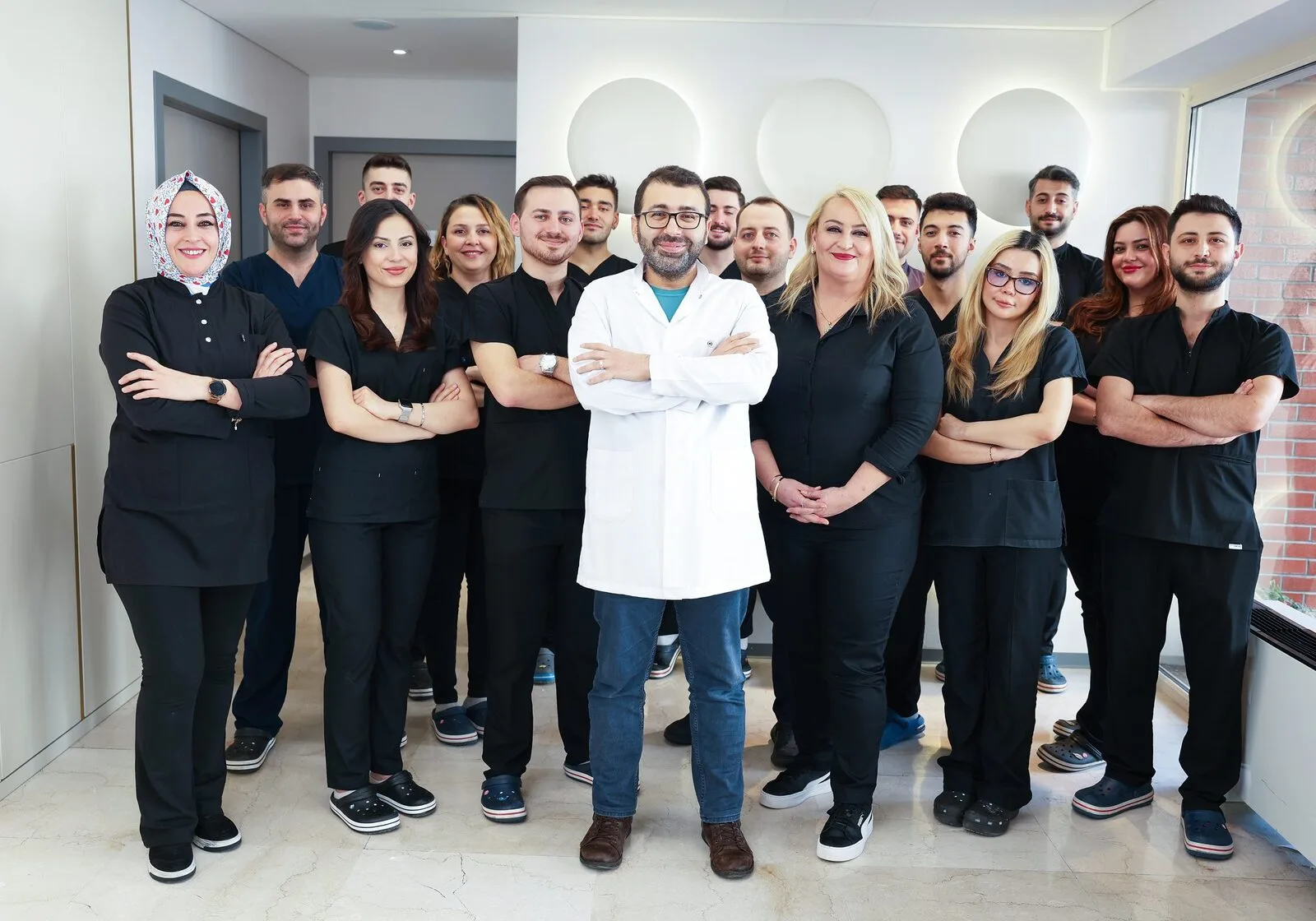
At Hermest Hair Transplant Clinic, Dr. Ahmet Murat and his medical team analyze the real cause of hair thinning before recommending treatment. Each patient receives a personalized plan designed to restore natural hair growth and protect donor areas.
If you are experiencing ongoing hair loss or thinning, schedule a professional consultation with our specialists. A correct diagnosis today can protect your hair for years to come.