

Alcohol and Hair Loss: Does Drinking Cause Thinning or Hair Loss?
The question comes up more often than people expect: does alcohol cause hair loss, or is it just a myth? The short answer is simple, but not obvious. Alcohol does not directly attack your hair follicles. Yet the connection between alcohol and hair loss is real, and it works through indirect pathways that many articles fail to explain clearly.
This is where confusion starts.
Some people notice increased shedding after periods of heavy drinking. Others worry about thinning hair and ask, will my hair grow back if i stop drinking alcohol. Then there’s the opposite myth floating around online: does alcohol grow hair. It doesn’t. But the full picture is more nuanced than a simple yes or no.
Here’s what actually happens.
Alcohol affects your body systems that support hair growth. It interferes with nutrient absorption, hydration, hormone balance, and overall scalp health. According to American Academy of Dermatology, healthy hair growth depends on consistent nutrient supply and balanced scalp conditions. When those are disrupted, hair growth can slow or shift into shedding phases.
That’s the key link.
This guide will explore:
- whether alcohol truly contributes to hair thinning
- how it affects your hair at the follicle level
- what happens when you stop drinking
- and how to protect your hair going forward
Dr. Ahmet Murat explains:
“Alcohol is rarely the direct cause of hair loss, but it can create the environment where hair struggles to grow. When we correct that environment, recovery is often possible.”
Let’s start with the question everyone wants answered clearly.
Quick Insights
- Alcohol does not directly damage hair follicles, but it can create conditions that lead to thinning and shedding over time.
- The link between alcohol and hair loss is mainly driven by nutrient deficiencies, dehydration, and hormonal imbalance.
- Occasional drinking usually has minimal impact, but frequent or heavy intake can gradually weaken hair quality.
- Hair shedding often appears weeks after the trigger, which makes the connection harder to notice.
- If you’re asking does alcohol cause hair loss, the answer is indirect but meaningful in long-term patterns.
- Many cases are reversible, especially when alcohol intake is reduced early and the body regains balance.
- The question will my hair grow back if i stop drinking alcohol often has a positive answer if follicles are still healthy.
- Alcohol does not support growth, so the idea behind does alcohol grow hair is a myth.
- Consistent habits like hydration, nutrition, and scalp care play a bigger role than occasional lifestyle changes.
- Early awareness and small adjustments can prevent minor thinning from becoming a long-term issue.
Does alcohol cause hair loss?
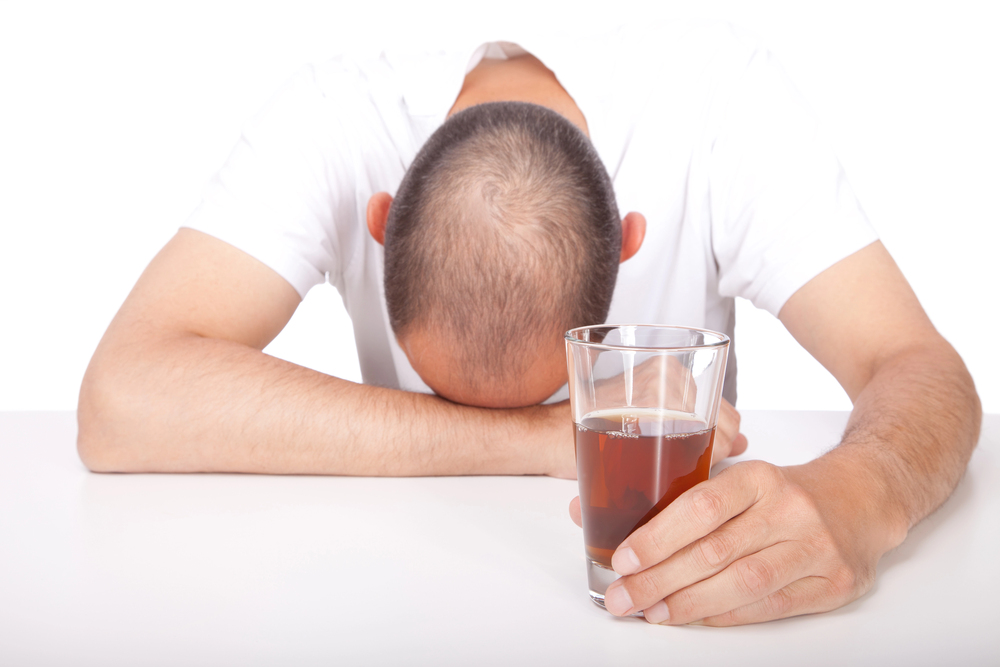
No, alcohol does not directly cause hair loss. But it can significantly contribute to it.
That distinction matters.
If you’re searching does alcohol cause hair loss, the honest answer is that alcohol acts as a trigger, not a primary cause. It weakens the systems that support healthy hair growth.
Short insight. Indirect, but impactful.
Why research seems conflicting
You’ll often see mixed conclusions. Some sources say there’s no strong evidence. Others suggest a connection.
This happens because alcohol does not damage hair follicles in a single, direct way. Instead, it affects multiple pathways at once:
- reduced absorption of key nutrients like zinc and iron
- dehydration affecting scalp condition
- disruption in hormone balance
- increased inflammation in the body
According to findings summarized in clinical research databases like PubMed, the association between alcohol consumption and hair loss is still debated, but indirect mechanisms are widely accepted.
This explains the confusion.
The reality is:
- occasional drinking rarely causes noticeable hair changes
- consistent or heavy drinking can create cumulative effects
- individual sensitivity plays a major role
Dr. Ahmet Murat says:
“We rarely see alcohol as the sole cause. But in patients with thinning hair, reducing alcohol often improves overall hair quality. It removes one of the hidden stress factors.”
So the better question is not just if alcohol plays a role. It’s how it affects your hair at a deeper level.
How alcohol affects hair follicles
Alcohol does not damage hair overnight. The effect builds slowly by disrupting the systems that keep follicles healthy. This is where the connection between alcohol and hair loss becomes clear.

Reduced nutrient absorption
Hair follicles rely on a steady supply of nutrients to grow strong hair. Alcohol interferes with how the body absorbs and uses key elements like:
- zinc
- iron
- protein
- B vitamins
When these are reduced, the follicle weakens over time. Growth slows. Hair becomes thinner.
According to American Academy of Dermatology, deficiencies in essential nutrients can directly impact hair growth and lead to increased shedding.
Short truth. Weak input, weak output.
Dehydration and scalp condition
Alcohol is a diuretic. It increases fluid loss in the body.
This affects the scalp by:
- reducing moisture balance
- increasing dryness and sensitivity
- making hair more fragile
A dry, irritated scalp creates a less stable environment for hair growth. Over time, this can contribute to visible thinning.
Hormonal changes and DHT influence
Alcohol can influence hormone balance, especially with frequent intake.
This includes:
- changes in testosterone levels
- potential increase in DHT sensitivity
- disruption of normal hair growth signaling
DHT is already a key factor in pattern hair loss. When the system becomes unstable, hair follicles may become more vulnerable.
Blood flow and follicle oxygenation
Healthy follicles depend on oxygen and blood circulation.
Alcohol can:
- impair circulation over time
- reduce oxygen delivery to tissues
- increase systemic inflammation
This combination can affect how well follicles function.
According to research indexed in PubMed, chronic alcohol use has been linked to systemic changes that may indirectly impact hair growth through metabolic and inflammatory pathways.
Dr. Ahmet Murat explains:
“Hair follicles are highly sensitive structures. When nutrition, hydration, and circulation are affected together, the follicle doesn’t immediately stop working, but it gradually weakens.”
This is the key mechanism. Not sudden damage, but gradual decline.
Alcohol and hair growth cycle
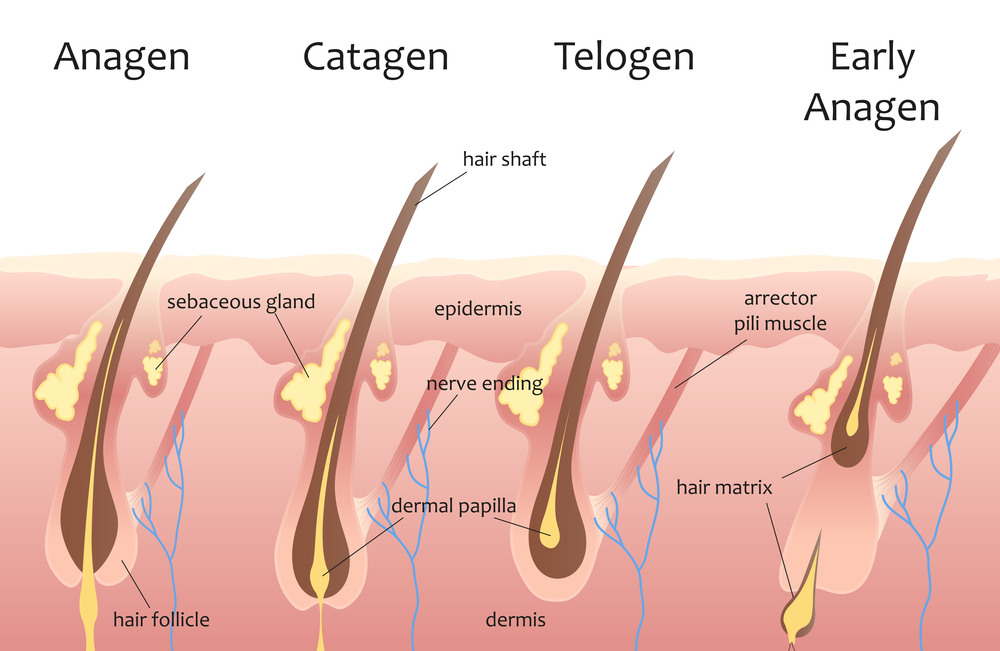
Hair does not fall out randomly. It follows a structured cycle. Alcohol interferes with that cycle, which is why people begin to notice thinning or increased shedding over time.
How alcohol disrupts growth phases
Hair grows in three main phases:
- Anagen (growth phase)
- Catagen (transition phase)
- Telogen (resting/shedding phase)
Healthy follicles stay longer in the growth phase. That’s what keeps hair dense and strong.
When alcohol starts affecting the body, this balance shifts.
Common effects include:
- shorter growth phase
- earlier transition into resting phase
- weaker hair strands
This means hair doesn’t grow as long or as thick as before.
According to American Academy of Dermatology, disruptions in the hair cycle can lead to noticeable shedding, especially when the body is under internal stress.
Why shedding increases
This is the moment most people notice change. Hair enters the shedding phase earlier than expected. You may see:
- more hair in the shower
- increased hair on pillows
- visible thinning over time
This is often linked to telogen effluvium, a condition where stressors push more hairs into the resting phase.
Alcohol can act as that stressor through:
- nutrient depletion
- dehydration
- internal imbalance
Short explanation. More hairs resting. More hairs falling.
The delayed effect most people don’t expect
One detail many people miss is timing. Hair loss related to internal changes does not happen immediately. There is usually a delay of several weeks or even months.
This is why people don’t always connect their habits with their hair condition.
Dr. Ahmet Murat explains:
“Hair loss often reflects what happened in the body weeks earlier. When patients reduce alcohol intake, improvement also takes time for the same reason.”
That delay matters. It explains both the problem and the recovery.
Can alcohol cause hair thinning or shedding?
Yes, it can contribute. The effect is usually indirect, but visible over time. This is where many people start connecting alcohol and hair loss with what they see in the mirror.
Temporary vs chronic hair loss
Not all thinning is the same. In many cases, alcohol-related shedding is temporary. This happens when the body is under stress and shifts more hair into the resting phase.
You may notice:
- sudden increase in daily hair fall
- overall reduction in volume
- hair feeling weaker or finer
This is often linked to telogen effluvium. Once the trigger is removed, recovery is possible.
Chronic thinning is different. It develops slowly and may involve multiple factors.
If alcohol is combined with:
- poor nutrition
- hormonal imbalance
- genetic predisposition
then the impact becomes more noticeable and longer-lasting.
Who is more at risk
Not everyone experiences the same effect.
Higher risk groups include:
- people with existing hair thinning
- individuals with nutrient deficiencies
- frequent or heavy drinkers
- those under high physical or emotional stress
In these cases, alcohol adds another layer of pressure on the system.
According to research indexed in PubMed, lifestyle factors such as nutrition and systemic stress play a significant role in hair health, even when alcohol is not the sole cause.
Patterns to watch
If alcohol is contributing, the pattern often looks like:
- gradual thinning rather than patchy loss
- overall decrease in density
- increased shedding after periods of higher intake
Dr. Ahmet Murat says:
“Alcohol rarely works alone. It amplifies existing weaknesses. When we reduce that burden, hair often stabilizes and begins to recover.”
This is the key takeaway. It’s not a single cause, but a contributing factor.
Will my hair grow back if I stop drinking alcohol?
In many cases, yes. Hair can grow back after reducing or stopping alcohol. The outcome depends on how long the follicles have been under stress and whether any permanent damage has occurred.
This is where the question will my hair grow back if i stop drinking alcohol becomes very practical.
When hair loss is reversible
If the issue is linked to temporary factors like:
- nutrient imbalance
- dehydration
- stress on the body
then hair regrowth is very likely.
Once alcohol intake is reduced:
- nutrient absorption improves
- hydration stabilizes
- the hair cycle begins to normalize
This allows follicles to return to normal function.
Short truth. Recovery is possible.
According to American Academy of Dermatology, hair loss caused by internal stressors often improves once the trigger is removed and the body returns to balance.
Recovery timeline (what to expect)
Hair does not recover instantly. It follows a biological timeline.
Typical pattern:
- 0–4 weeks: shedding may continue
- 1–3 months: hair cycle stabilizes
- 3–6 months: visible improvement begins
- 6–12 months: density gradually returns
This delay happens because hair growth cycles take time to reset.
Consistency matters here.
When regrowth may be limited
There are situations where full recovery is less likely.
These include:
- long-term heavy alcohol use
- underlying genetic hair loss
- chronic nutrient deficiencies
- prolonged inflammation affecting follicles
In these cases, stopping alcohol still helps, but additional treatment may be needed.
Dr. Ahmet Murat explains:
“When the follicle is still alive, recovery is possible. The earlier we remove the stress factor, the better the outcome. Timing plays a major role in regrowth.”
What improves first
Many people expect instant hair growth. That’s not how recovery works.
Early signs include:
- reduced shedding
- improved hair texture
- less scalp sensitivity
Visible regrowth comes later.
That’s the process. Gradual, but real.
Does alcohol grow hair? (Myth explained)
Short answer: no. Alcohol does not promote hair growth. The idea that it does is a misunderstanding that has circulated for years, often without scientific backing.
Where this myth comes from
Some people associate alcohol with relaxation or improved circulation. This has led to the belief that it might “stimulate” hair growth.
In reality, this connection is weak and misleading.
A few reasons the myth persists:
- temporary increase in blood flow after drinking
- anecdotal claims without evidence
- confusion between scalp stimulation and actual hair growth
None of these translate into real, long-term follicle improvement.
What actually happens in the body
Instead of supporting growth, alcohol creates conditions that work against it.
Over time, it can:
- reduce nutrient availability
- increase dehydration
- disrupt hormonal balance
- affect overall scalp condition
Healthy hair growth depends on proper nutrition and overall body balance. Alcohol interferes with both when consumed regularly.
This explains the gap between perception and reality.
Why alcohol never supports follicle health
Hair follicles need stability. They rely on consistent oxygen, nutrients, and hormonal signals.
Alcohol introduces instability.
Instead of strengthening follicles, it:
- weakens their environment
- shortens growth phases
- increases the likelihood of shedding
Dr. Ahmet Murat explains:
“There is no clinical evidence showing alcohol improves hair growth. In practice, we see the opposite. Reducing alcohol often improves hair quality over time.”
What actually helps hair grow
If the goal is better hair growth, the focus should be on:
- proper nutrition
- hydration
- balanced scalp care
- reducing stress factors
Alcohol does not fit into that equation.
Clear takeaway. It doesn’t help. It can hinder.
How much alcohol is too much for hair health?
There isn’t a single number that applies to everyone. The effect depends on frequency, quantity, and how your body responds over time. Still, patterns matter more than isolated occasions.
Moderate vs heavy drinking
Occasional drinking rarely causes noticeable hair changes. The body can usually compensate if overall health is stable.
Regular or heavy intake is different. It creates cumulative stress that affects hair over time.
General patterns:
- Moderate intake: minimal impact if nutrition and hydration are balanced
- Frequent intake: gradual weakening of hair quality
- Heavy drinking: higher risk of thinning and shedding
Long-term alcohol use can affect multiple body systems, including those involved in nutrient absorption and tissue health.
Frequency vs quantity
This is often overlooked. Drinking small amounts frequently can be more disruptive than occasional higher intake. The body doesn’t get enough time to recover between exposures.
Main factors:
- daily consumption
- poor hydration habits
- inconsistent diet
- lack of recovery time
Over time, these patterns can contribute to the link between alcohol and hair loss.
Individual sensitivity matters
Two people can drink the same amount and see different outcomes.
Higher sensitivity is often seen in:
- individuals with nutrient deficiencies
- people already experiencing hair thinning
- those under stress or hormonal imbalance
Your baseline condition plays a major role.
Subtle warning signs
Early signs are easy to miss.
Watch for:
- dull or dry hair texture
- slower growth
- increased shedding over weeks
- scalp sensitivity
These signals often appear before visible thinning becomes obvious.
Dr. Ahmet Murat says:
“Hair responds to long-term patterns, not single events. When alcohol becomes part of a daily routine, its effects on hair become more noticeable over time.”
This is the key point. Consistency drives impact.
Signs your hair loss may be linked to alcohol
Hair thinning rarely points to a single cause. Still, certain patterns make the connection between alcohol and hair loss more likely. Recognizing these patterns early helps you act before the problem deepens.
Key symptoms to watch
The signs are usually subtle at first. They build over time.
You may notice:
- gradual thinning rather than sudden patches
- increased shedding after periods of frequent drinking
- hair feeling weaker, drier, or less dense
- slower growth compared to previous months
- scalp dryness or sensitivity
These symptoms often overlap with internal imbalance rather than direct follicle damage.
Short insight. It’s a pattern, not a moment.
Timing patterns that matter
One of the most useful clues is timing.
Hair changes often appear:
- weeks after increased alcohol intake
- after periods of stress combined with drinking
- during times of poor nutrition or sleep
This delay makes the connection easy to miss. Hair reflects past conditions, not immediate ones.
According to American Academy of Dermatology, hair shedding related to internal stressors often occurs several weeks after the trigger.
When alcohol is likely contributing
The link becomes stronger if:
- hair thinning improves when alcohol intake is reduced
- symptoms worsen during periods of regular drinking
- no other clear cause is identified
In these cases, alcohol is not the only factor, but it plays a meaningful role.
When alcohol is probably not the main cause
Not every case of hair loss is related.
Other common causes include:
- genetic pattern hair loss
- thyroid imbalance
- nutritional deficiencies unrelated to alcohol
- scalp conditions
If thinning is progressive and patterned, genetics may be the dominant factor.
Dr. Ahmet Murat explains:
“We look at trends over time. If hair improves when alcohol is reduced, that tells us it was part of the problem. It’s rarely the only factor, but it’s often a contributing one.”
This is about awareness. Not assumption.
How to protect your hair if you drink alcohol
You don’t have to eliminate alcohol completely to protect your hair. The goal is to reduce its impact on the systems that support hair growth. Small adjustments can make a noticeable difference over time.
Nutritional support for stronger hair
Hair follicles depend on consistent nutrient intake. Alcohol can interfere with absorption, so your baseline nutrition becomes even more important.
Focus on:
- protein-rich foods to support hair structure
- zinc and iron for follicle function
- B vitamins for growth and energy balance
According to American Academy of Dermatology, nutrient deficiencies are a common contributor to hair thinning and shedding.
If intake is inconsistent, the follicle weakens gradually.
Hydration strategies that protect the scalp
Alcohol increases fluid loss. This affects both the body and the scalp environment.
Simple habits help:
- drink water alongside alcohol
- rehydrate properly after drinking
- avoid prolonged dehydration
A well-hydrated scalp supports better hair quality and resilience.
Lifestyle adjustments that reduce impact
Hair health reflects overall balance. Alcohol becomes more disruptive when combined with other stress factors.
Helpful adjustments:
- limit frequency rather than only quantity
- avoid drinking on consecutive days
- prioritize sleep and recovery
- manage stress levels
These reduce the cumulative effect on hair.
Scalp care and routine
External care still matters.
Keep it simple:
- use gentle shampoos
- avoid heavy product buildup
- maintain a clean, balanced scalp
This prevents additional stress on already sensitive follicles.
Consistency over perfection
You don’t need a perfect routine. You need a consistent one.
Long-term lifestyle habits have a stronger impact on overall health than occasional changes.
Dr. Ahmet Murat advises:
“We don’t ask patients to eliminate everything at once. We focus on reducing stress on the follicles step by step. Consistency is what brings results.”
That’s the approach. Sustainable, not extreme.
Statistics & Trends
- According to the World Health Organization, around 400 million people worldwide live with alcohol use disorders, which can indirectly impact systems involved in hair growth.
- Studies indexed in PubMed show that chronic alcohol consumption is commonly linked to deficiencies in zinc, iron, and protein, all of which are essential for healthy hair follicles.
- Research suggests that up to 50% of individuals with heavy alcohol use experience some form of nutritional deficiency that can contribute to hair thinning.
- According to the American Academy of Dermatology, nutrient deficiencies are one of the leading contributors to hair shedding and weakened hair structure.
- Alcohol acts as a diuretic, increasing fluid loss, and dehydration has been shown to negatively affect scalp condition and hair quality over time.
- Clinical data indicates that telogen effluvium, a common form of temporary hair shedding, can be triggered by internal stressors such as poor nutrition and lifestyle factors, including alcohol use.
- A growing trend in dermatology clinics shows that lifestyle-related hair thinning, including alcohol-related factors, is becoming more common in younger adults.
- Research findings show that individuals who reduce alcohol intake often report noticeable improvements in hair texture and reduced shedding within 3 to 6 months.
- Studies exploring alcohol and androgenetic alopecia suggest the relationship is mixed, but alcohol may worsen hair loss progression when combined with genetic predisposition.
- Experts note that consistent lifestyle habits, including balanced nutrition and reduced alcohol consumption, are among the most effective long-term strategies for maintaining healthy hair growth.
FAQs
How does alcohol affect hair growth over time?
Alcohol affects hair growth gradually rather than immediately. It disrupts nutrient absorption, hydration, and hormone balance, all of which support healthy follicles. Over time, this can slow down growth and increase shedding. The impact is usually noticeable after consistent or frequent intake rather than occasional drinking.
Why does my hair feel thinner after drinking alcohol regularly?
Hair may feel thinner due to weakened strands and reduced density. Alcohol can limit essential nutrients like zinc and protein, which are needed for strong hair formation. It can also shorten the growth phase, meaning hair does not grow as thick or as long as before.
Will reducing alcohol improve hair quality?
Yes, reducing alcohol intake often improves overall hair condition. Better hydration and nutrient absorption help restore the environment needed for healthy growth. Many people notice less shedding and improved texture within a few months after making consistent changes.
How long after quitting alcohol does hair start improving?
Hair recovery typically follows a delayed timeline. Shedding may continue for a few weeks, then stabilize. Visible improvement often begins within 3 to 6 months. Full recovery in density and strength can take up to a year, depending on the condition of the follicles.
Can occasional drinking still affect hair health?
Occasional drinking usually has little to no noticeable effect on hair. The body can compensate if overall health and nutrition are balanced. Problems tend to arise with frequent or long-term patterns rather than isolated events.
Why does alcohol make my scalp feel dry or irritated?
Alcohol increases fluid loss in the body, which can lead to scalp dryness. A dry scalp becomes more sensitive and less supportive of healthy follicles. This can contribute to discomfort, weaker hair, and changes in hair texture over time.
Who is most affected by alcohol-related hair thinning?
People with existing hair concerns are more sensitive to the effects. This includes individuals with genetic hair loss, poor nutrition, or high stress levels. Frequent drinkers may also notice stronger effects due to cumulative impact on the body.
Where does alcohol-related hair thinning usually appear?
Thinning is usually diffuse rather than localized. It often appears as overall reduced density across the scalp rather than patchy loss. This pattern is different from conditions like alopecia areata, which causes distinct bald spots.
How can I support hair recovery while still drinking occasionally?
Focus on balance. Maintain strong nutrition, stay hydrated, and avoid frequent consecutive drinking days. Supporting your body helps minimize the impact on hair. Gentle scalp care and avoiding buildup can also reduce additional stress on follicles.
Will alcohol permanently damage hair follicles?
In most cases, no. Alcohol does not directly destroy follicles. However, long-term imbalance and repeated stress can weaken them over time. If the follicle remains healthy, recovery is possible once conditions improve. Permanent damage is more likely when other factors are also involved.
Take Control of Your Hair Before It Gets Worse
If you’ve been questioning the link between alcohol and hair loss or noticing early thinning, don’t leave it to guesswork. The earlier you understand the cause, the easier it is to protect your hair.
At Hermest Hair Transplant Clinic, we look beyond surface symptoms. We assess how lifestyle factors, including alcohol, are affecting your follicles and create a plan tailored to your hair’s condition.

You’ll get:
- a detailed scalp and hair analysis
- clear insight into whether alcohol is contributing
- personalized recommendations for recovery and prevention
- guidance to restore stronger, healthier hair growth
Dr. Ahmet Murat advises:
“Hair loss is rarely random. When we identify and reduce contributing factors early, we can protect the follicles and improve long-term outcomes.”
Book your consultation today and understand exactly what your hair needs before temporary thinning becomes a lasting problem.