

How to Get Thicker Hair: Causes, Treatments & Real Solutions
Searching how to get thicker hair usually starts after something changes subtly. The ponytail feels smaller. The scalp becomes more visible under bathroom lighting. Hair that once felt full suddenly lies flatter and weaker. Most people notice the emotional side first. Then comes the confusion.
Some recommend oils. Others push supplements aggressively. Social media promises overnight density from rosemary water, rice rinses, or scalp massage routines. The reality is more complicated.
Hair can appear thinner for very different reasons:
- follicle miniaturization
- breakage
- nutritional deficiencies
- hormonal shifts
- stress-related shedding
- naturally fine strands
- reduced density over time
Those situations require different strategies entirely. According to StatPearls – Androgenetic Alopecia, progressive hair thinning often involves follicular miniaturization where hairs gradually become finer and shorter over time.
This process is biological, not purely cosmetic.
At Hermest Hair Transplant Clinic, many patients arrive believing their hair suddenly became “thin overnight”. In reality, density changes usually progress gradually for months or years before becoming emotionally noticeable.
Dr. Ahmet Murat says patients often search for one miracle product when the real issue involves understanding whether they are dealing with breakage, temporary shedding, miniaturization, or naturally fine hair structure. At Hermest, scalp evaluation and long-term follicle preservation remain central before recommending treatment plans.
This guide explains:
- what “thicker hair” actually means
- why hair becomes thinner
- which methods may realistically help
- myths surrounding natural thickening
- medical treatments and transplant options
- when professional evaluation becomes worthwhile
Hair thickness is not one single problem. That is why one routine never works for everyone.
Quick Insights
- Hair density and strand thickness are different things.
- Genetics and miniaturization commonly cause thinning.
- Breakage may mimic reduced density cosmetically.
- Natural methods support hair health but cannot override genetics fully.
- Minoxidil and finasteride may help preserve vulnerable follicles.
- Oils and supplements have limitations.
- Early intervention usually creates more treatment options.
What Does “Thicker Hair” Actually Mean?

People use the phrase thicker hair to describe very different situations:
- reduced density
- fine strands
- breakage
- shedding
- flat styling
- widening scalp visibility
Those are not identical problems.
The solution depends on understanding what changed biologically.
What is the difference between hair density and strand thickness?
Hair density refers to how many follicles actively produce hair across the scalp.
Strand thickness refers to the diameter of each individual hair fiber.
Someone may naturally have:
- low density with thick strands
- high density with fine strands
- miniaturized thinning hairs
- normal density but severe breakage
This distinction gets ignored constantly online.
According to research available through the International Journal of Trichology, visible thinning may result from reduced follicle activity, shaft miniaturization, or structural fiber damage depending on the underlying condition.
The treatments differ accordingly.
What is fine hair?
Fine hair refers to naturally smaller strand diameter genetically. Fine strands are not automatically unhealthy.
Many people with fine hair still maintain excellent density.
The scalp may only become visible when:
- follicles miniaturize
- shedding increases
- breakage accumulates
- density decreases
Why thinning hair feels different
Thinning hair often changes gradually.
Patients may notice:
- weaker ponytails
- flatter styling
- widening part lines
- increased scalp visibility
- temple recession
- crown transparency
These changes may signal active follicular miniaturization rather than naturally fine texture alone.
Why this distinction matters for treatment
A volumizing shampoo may temporarily improve cosmetic fullness but cannot reverse significant androgenetic alopecia.
Similarly, hair oils may smooth breakage without increasing actual follicle density.
Dr. Ahmet Murat says many patients chase cosmetic volume while overlooking progressive follicle miniaturization underneath. At Hermest, identifying whether the issue involves density loss, shaft damage, or naturally fine texture becomes the first step before recommending solutions.
Hair behavior only makes sense once the underlying cause becomes clear.
Why Hair Becomes Thinner
Hair thinning rarely comes from one isolated cause.
Usually several factors overlap gradually over time. Genetics may create vulnerability. Stress worsens shedding. Heat damage weakens strands. Nutritional deficiencies reduce resilience.
The result feels sudden emotionally even when the biology progressed slowly.
How does androgenetic alopecia thin hair?
Androgenetic alopecia remains one of the most common reasons for reduced density.

In genetically susceptible individuals, follicles become sensitive to DHT. Over time:
- growth cycles shorten
- hairs miniaturize
- strands become finer
- density decreases gradually
This process often affects:
- temples
- frontal scalp
- crown region
According to American Academy of Dermatology (AAD), androgenetic alopecia commonly causes progressive thinning through follicular miniaturization rather than sudden total hair loss.
This distinction matters psychologically.
Can stress make hair thinner?

Yes. Significant physical or emotional stress may trigger telogen effluvium, a shedding condition where more hairs enter resting phases temporarily.
Patients often notice:
- increased shedding
- diffuse thinning
- weaker volume
- visible scalp exposure
This usually differs from patterned miniaturization biologically.
Do nutritional deficiencies affect thickness?

Sometimes significantly.
Low levels of:
- iron
- protein
- zinc
- vitamin D
- certain B vitamins
may contribute to weaker hair growth or increased shedding.
Yet supplements are not magic solutions for everyone. Another huge online myth.
Can styling damage reduce fullness?
Absolutely.
Bleaching, excessive heat styling, tight hairstyles, and harsh chemical processing may weaken the hair shaft gradually. Severe breakage creates the illusion of reduced density even when follicles remain active.
Dr. Ahmet Murat says patients often underestimate how much cumulative damage influences cosmetic fullness over time. At Hermest, follicle health and shaft integrity are evaluated separately before deciding whether medical treatment, scalp care, or restoration procedures are appropriate.
Not all “thin hair” comes from the same biology.
Can Thin Hair Become Thick Again?
Sometimes yes. Sometimes partially. Sometimes no.
The answer depends on what caused the thinning in the first place.
This is where unrealistic internet promises create enormous confusion.
Hair affected by temporary shedding behaves differently from follicles undergoing progressive miniaturization. Breakage-related volume loss requires different strategies than genetic density reduction.
The biology matters.
When is thinning reversible?
Certain causes may improve significantly with proper treatment and time.
Examples include:
- stress-related shedding
- nutritional deficiencies
- inflammatory scalp conditions
- breakage from heat or bleaching
- temporary hormonal shifts
In these situations, follicles often remain alive and capable of producing healthier strands again once the underlying trigger improves.
What happens during follicle miniaturization?
In androgenetic alopecia, follicles gradually shrink over time.
The hairs become:
- thinner
- shorter
- lighter
- weaker
Eventually some follicles stop producing visible hairs entirely.
According to StatPearls – Androgenetic Alopecia, early intervention may help preserve follicular activity before advanced miniaturization progresses further.
This is why timing matters.
Can miniaturized follicles recover?
Sometimes partially.
Medical treatments may strengthen weakened follicles in selected patients, especially during earlier stages. Still, severely miniaturized or inactive follicles become harder to recover fully without surgical restoration.
This nuance gets ignored constantly online.
Many promise complete reversal without discussing progression stage realistically.
Why breakage and thinning feel similar
Hair damaged by excessive heat, bleaching, or chemical processing may appear dramatically thinner despite normal follicle counts underneath.
Patients often confuse:
- breakage
- density loss
- temporary shedding
- miniaturization
The solutions differ entirely.
At Hermest, scalp analysis usually helps distinguish whether visible thinning reflects follicular reduction, shaft damage, or both simultaneously.
Dr. Ahmet Murat says many patients panic assuming every thinning pattern is permanent baldness. At Hermest, identifying whether follicles remain active often changes the treatment approach significantly before surgery is even considered.
The earlier the cause becomes clear, the more options usually remain available.
How to Get Thicker Hair Naturally
Natural methods can support healthier-looking hair in many situations. Still, realistic expectations matter enormously.

No oil, vitamin, or massage technique can magically create unlimited new follicles.
This is one of the biggest myths online.
Why nutrition affects hair quality
Hair growth requires energy, protein, vitamins, and minerals continuously.
Insufficient intake of:
- protein
- iron
- zinc
- vitamin D
- certain B vitamins
may contribute to weaker growth and increased shedding in some individuals.
According to Harvard T.H. Chan School of Public Health and NIH Office of Dietary Supplements, nutritional deficiencies can influence hair quality and growth patterns depending on severity and duration.
This does not mean supplements automatically help everyone equally.
Can scalp health improve fullness?
Yes, indirectly.
Scalp inflammation, buildup, irritation, or seborrheic dermatitis may worsen shedding and reduce hair quality over time. Gentle scalp care may improve:
- comfort
- fiber environment
- product performance
- overall manageability
Healthy follicles generally function better in healthier scalp conditions.
Do lifestyle habits matter?
Sometimes more than patients expect.
Sleep deprivation, chronic stress, smoking, and excessive heat styling may gradually influence:
- shedding patterns
- shaft strength
- breakage risk
- scalp circulation
Small habits accumulate over years.
What natural methods cannot do
Another important reality check.
Natural routines may improve:
- shine
- breakage
- moisture balance
- scalp comfort
- cosmetic fullness
Yet they usually cannot fully reverse advanced androgenetic alopecia alone.
Dr. Ahmet Murat says many patients expect “natural” solutions to rebuild density that has been progressively miniaturizing for years. At Hermest, natural support methods are viewed as complementary strategies rather than replacements for proper diagnosis and long-term follicle management.
Healthy routines support hair. They do not override genetics completely.
Best Products for Fuller-Looking Hair
Many products marketed for hair thickening improve cosmetic appearance temporarily rather than increasing actual follicle numbers.
That distinction matters enormously.

A shampoo may create more volume visually without changing underlying density biologically. Patients often confuse these two effects.
The result? Unrealistic expectations.
What can volumizing shampoos actually do?
Volumizing shampoos may help hair appear fuller by:
- reducing excess buildup
- lifting roots slightly
- improving texture
- minimizing heaviness
Some ingredients temporarily expand the shaft surface, making strands feel thicker individually.
This can improve styling noticeably.
Still, shampoos do not usually reverse follicle miniaturization directly.
Which ingredients may support healthier-looking hair?
Certain ingredients commonly appear in supportive routines:
- caffeine
- niacinamide
- peptides
- ketoconazole
- biotin-containing formulas
- lightweight proteins
The effectiveness varies significantly depending on the underlying cause of thinning.
Why heavy conditioners sometimes worsen thin hair
Another overlooked issue.
Patients searching how to make hair thicker often overload fine strands with dense oils and creams hoping for nourishment. Instead, the hair may become:
- flat
- greasy
- separated
- visually thinner
Fine hair frequently responds better to lighter conditioning strategies.
Can products increase actual density?
Usually not dramatically on their own.
Products may improve:
- shine
- texture
- manageability
- temporary shaft thickness
- breakage reduction
True density improvement usually depends more on follicle health and growth cycle support than cosmetic coatings alone.
At Hermest, patients with progressive thinning are encouraged to evaluate scalp and follicle health rather than relying exclusively on cosmetic thickening products.
Why marketing language becomes misleading
Terms like:
- “density boosting”
- “hair filler”
- “instant growth”
- “miracle thickening”
often exaggerate realistic biological effects.
Dr. Ahmet Murat says many cosmetic products improve styling behavior without changing the underlying follicle biology significantly. At Hermest, realistic expectations help patients combine supportive hair care with proper long-term treatment planning when necessary.
Appearance improvement matters. Understanding its limits matters too.
Medical Treatments That May Improve Hair Thickness
When thinning involves active follicular miniaturization, medical treatments may help preserve or strengthen existing follicles more effectively than cosmetic products alone.
The key word is “may”.
Results vary substantially depending on:
- genetics
- progression stage
- consistency
- scalp health
- follicle viability
Does minoxidil make hair thicker?
In selected patients, yes.

Minoxidil may help:
- extend growth phases
- improve follicle activity
- strengthen miniaturized hairs
- reduce visible thinning gradually
According to FDA – Hair Loss Treatments, minoxidil remains one of the approved therapies commonly used for androgenetic alopecia management.
Still, expectations should remain realistic.
Not every patient experiences dramatic regrowth.
How does finasteride work?
Finasteride targets DHT-related follicular miniaturization in many men with androgenetic alopecia.
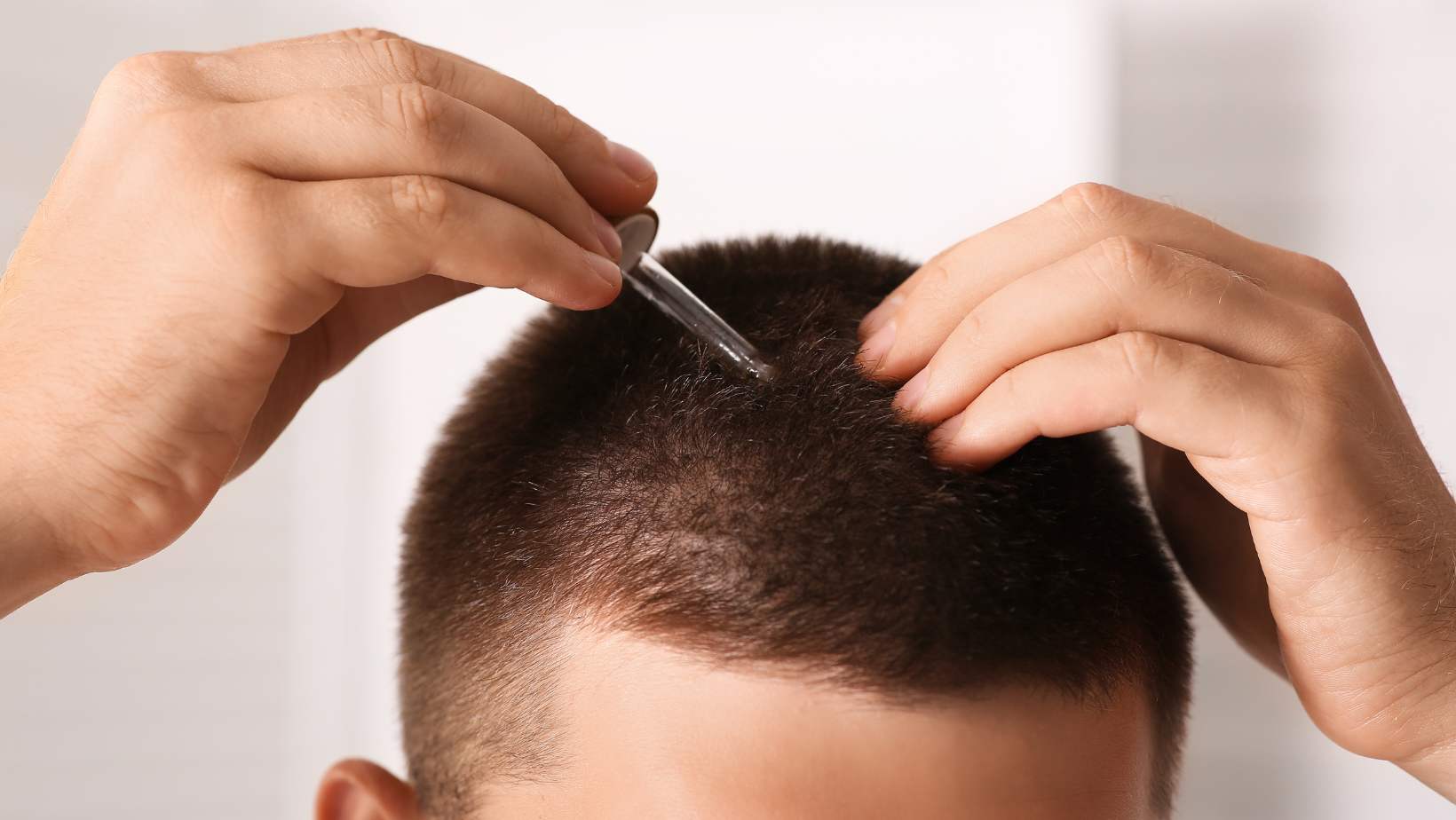
Its primary goal is usually:
- slowing progression
- preserving existing follicles
- stabilizing density loss
Some patients notice visible thickening. Others mainly reduce future thinning speed.
Both outcomes can be clinically meaningful.
What about PRP and exosome therapy?
Supportive regenerative approaches such as PRP or exosome-based treatments aim to improve scalp environment and follicular support.

At Hermest, these therapies are generally discussed as complementary options rather than guaranteed density solutions.
This distinction matters.
Can low-level laser therapy help?
Some studies suggest low-level laser therapy may support follicular activity in selected patients. Yet results remain variable and usually gradual.
Another important reality: advanced inactive follicles cannot always be revived fully.
Why early intervention changes outcomes
Miniaturized follicles become harder to recover as progression advances.
This is why delayed treatment sometimes limits available improvement later.
Dr. Ahmet Murat says patients often wait until density loss becomes visually advanced before seeking evaluation. At Hermest, preserving vulnerable follicles early usually creates stronger long-term outcomes than trying to reverse severe miniaturization later.
Hair preservation often matters as much as hair regrowth.
Hair Thickening Myths Online
The internet is full of dramatic hair advice.
Rice water regrows hair overnight. Oils create new follicles. Cutting hair makes it thicker. One supplement fixes everything.
Most of these claims collapse under basic biology.
Patients waste enormous amounts of money chasing myths instead of understanding what their follicles are actually doing.
Do oils create new hair follicles?
No.
Oils may improve:
- shine
- lubrication
- breakage reduction
- scalp comfort
- temporary softness
Yet oils cannot create brand-new follicles or fully reverse advanced androgenetic alopecia.
This is one of the biggest online misconceptions surrounding thicker hair naturally searches.
Some oils may support healthier scalp conditions indirectly. That is different from generating new density biologically.
Does cutting hair make it thicker?
Another persistent myth.
Haircuts may create the illusion of fuller density temporarily by removing:
- split ends
- damaged lengths
- uneven breakage
The follicle underneath does not suddenly produce thicker strands because the ends were trimmed.
According to research available through the International Journal of Trichology, follicle activity and strand diameter are regulated biologically within the scalp rather than by cutting the visible shaft.
Are supplements magic solutions?
Not unless deficiencies exist.
Patients with nutritional deficiencies may benefit from correction. Still, excessive supplementation without medical need rarely transforms density dramatically.
This nuance gets ignored constantly online.
Does scalp massage regrow hair?
Scalp massage may improve relaxation and temporarily increase circulation superficially. Yet evidence supporting dramatic regrowth claims remains limited.
Why myths spread so easily
Hair thinning feels emotional. People naturally want simple answers.
The reality is slower and more nuanced.
Dr. Ahmet Murat says patients are often drawn toward extreme promises because thinning hair feels psychologically urgent. At Hermest, separating cosmetic improvement from true follicular recovery helps patients make more realistic long-term decisions.
Healthy skepticism protects both the scalp and expectations.
Hair Transplant for Thin Hair
Hair transplantation can improve visible density significantly in selected patients. Yet surgery is not always the first or best step immediately.
This depends on:
- follicle stability
- donor quality
- progression pattern
- age
- expectations
- scalp characteristics
Proper planning matters enormously.
How does a transplant improve density?
During transplantation, follicles from stable donor regions are implanted strategically into thinner areas.
This may help improve:
- frontal density
- temple recession
- crown appearance
- overall framing
Still, transplanted density rarely recreates unlimited teenage fullness perfectly.
Why donor management matters
The donor area remains finite.
Aggressive implantation without long-term planning may create:
- unnatural density imbalance
- visible donor thinning
- limited future correction options
At Hermest, techniques like Unique FUE® prioritize controlled extraction patterns and natural density transitions rather than chasing unrealistic graft numbers.
Why surgery is not always first step
Patients sometimes seek transplantation when the primary issue actually involves:
- breakage
- temporary shedding
- nutritional deficiency
- inflammatory scalp conditions
In those situations, medical stabilization may become more appropriate initially.
At Hermest, scalp analysis and progression evaluation usually happen before surgical recommendations are finalized.
Can transplants make fine hair thicker?
Transplants increase visible density by redistributing follicles. They do not change the genetic diameter of each strand itself.
This distinction matters.
Patients with naturally fine hair may still achieve strong cosmetic improvement through strategic placement and density planning.
Dr. Ahmet Murat says successful density restoration depends more on strategic planning and donor preservation than simply implanting the maximum possible graft count. At Hermest, natural long-term appearance guides every stage of surgical design.
Natural-looking fullness usually comes from balance, not excess.
Dr. Ahmet Murat’s Perspective on Natural Density
Most patients searching how to get fuller hair want one simple answer. The reality is usually more layered.
Hair thickness depends on:
- follicle health
- strand diameter
- scalp condition
- genetics
- progression stage
- cumulative damage
- long-term habits
This is why identical routines produce completely different outcomes for different people.
Why protecting existing follicles matters early
Many patients focus entirely on regrowth while ignoring preservation.
This becomes a major mistake.
Miniaturized follicles often respond more predictably during earlier stages compared to severely advanced thinning. Delayed intervention may reduce available options gradually over time.
At Hermest, early evaluation often focuses on:
- slowing progression
- reducing unnecessary damage
- protecting donor quality
- stabilizing scalp health
before aggressive interventions are considered.
Why cosmetic volume and true density differ
Another issue patients rarely hear explained honestly.
Some products improve:
- styling behavior
- strand coating
- root lift
- cosmetic fullness
Yet true biological density involves active healthy follicles beneath the scalp.
This distinction changes treatment expectations dramatically.
Why scalp health influences appearance
Scalp irritation, buildup, inflammation, and harsh product layering may affect:
- shedding
- breakage
- fiber quality
- comfort
- styling performance
At Hermest, scalp condition is evaluated alongside follicular behavior rather than separately.
Healthy follicles function better in healthier environments.
Why long-term consistency matters
Patients often switch routines constantly after seeing viral trends online. Hair biology rarely changes overnight.
Meaningful improvement usually requires:
- patience
- consistency
- realistic goals
- reduced cumulative damage
Dr. Ahmet Murat says the strongest long-term results usually come from protecting vulnerable follicles early rather than chasing dramatic short-term transformations later. At Hermest, realistic planning and preserving natural density remain central throughout every treatment strategy.
Healthy hair often improves gradually. Sustainable habits matter more than temporary hype.
FAQs About Getting Thicker Hair
Can thin hair become thick again?
Sometimes. If thinning relates to temporary shedding, nutritional deficiencies, inflammation, or breakage, improvement may be possible. Advanced follicle miniaturization becomes harder to reverse completely.
What is the difference between fine hair and thinning hair?
Fine hair refers to naturally smaller strand diameter genetically. Thinning hair usually involves reduced density, miniaturization, or increased shedding over time.
Does minoxidil make hair thicker?
In some patients, minoxidil may strengthen miniaturized follicles and improve strand thickness gradually. Results vary depending on progression stage and consistency.
What foods help support healthier hair?
Adequate protein, iron, zinc, vitamin D, and balanced nutrition may support healthier growth in patients with deficiencies or inadequate intake.
Can stress make hair thinner?
Yes. Significant physical or emotional stress may trigger telogen effluvium, a temporary shedding condition causing diffuse thinning.
Do oils make hair thicker?
Oils may improve softness, lubrication, and breakage reduction temporarily. They do not create new follicles or fully reverse advanced androgenetic alopecia.
Does cutting hair make it thicker?
No. Haircuts may improve appearance temporarily by removing damaged ends, but cutting the shaft does not increase follicle density or strand diameter biologically.
Can shampoos increase density?
Most shampoos improve cosmetic appearance rather than actual follicle numbers. Volumizing formulas may temporarily enhance fullness visually.
When should I see a hair specialist?
Professional evaluation becomes worthwhile if you notice:
- widening part lines
- crown thinning
- temple recession
- excessive shedding
- progressive miniaturization
- sudden density changes
Is hair transplant the best solution for everyone?
Not always. Some patients benefit more from medical stabilization, scalp treatment, or damage reduction before surgery becomes appropriate.
Worried About Thinning or Reduced Hair Density?
Hair can appear thinner for many different reasons. Some involve temporary shedding or breakage. Others relate to progressive follicle miniaturization and long-term density changes.
Understanding the cause changes everything.

At Hermest Hair Clinic, Dr. Ahmet Murat and the team evaluate:
- scalp condition
- follicle stability
- density patterns
- miniaturization
- donor quality
- breakage vs active hair loss
The goal is realistic guidance based on biology rather than internet myths or temporary cosmetic tricks.
Dr. Ahmet Murat says patients often focus only on making hair “look thicker” while ignoring the long-term health of vulnerable follicles underneath. At Hermest, preserving and strengthening existing hair remains one of the clinic’s highest priorities before advanced thinning progresses further.
If you are noticing reduced density, excessive shedding, widening part lines, or weaker hair growth, you can request a professional scalp and density assessment with the Hermest team.