


Wash and Wear Haircuts for Over 60: Easy, Low-Maintenance Styles
The idea of wash and wear haircuts for over 60 sounds simple. In reality, it solves a very specific problem. You want a haircut that looks good without daily effort. No long styling routine. No constant touch-ups. Just wash, dry, and go. That need becomes more important with time. Hair changes. Texture shifts. Density may reduce. What worked before often stops working.
Searches like low maintenance haircuts for women over 60, easy hairstyles for older women, and short hairstyles for women over 60 all point to the same goal. Less effort, better results.
The challenge is not finding inspiration. It’s choosing what actually works in real life. Many show dozens of options. Few explain which haircut fits your hair type, your routine, or your expectations.
According to the American Academy of Dermatology, aging hair often becomes finer and drier over time. That means styles that rely on volume or heavy styling become harder to maintain.
That’s where the concept of “wash and wear” becomes practical.
Dr. Ahmet Murat explains:
“As hair texture changes, the goal is not to style more. It’s to choose a haircut that works with the hair’s natural behavior.”
This guide focuses on that idea.
We’ll explain what “wash and wear” really means. Which haircuts actually save time. Which styles work best for thinning hair. And how to choose the right one for your face and lifestyle.
Let’s start with the basics. What exactly is a wash-and-wear haircut, and why does it matter more after 60?
Quick Insights
- A wash-and-wear haircut works with your natural hair, not against it
- Short, layered styles are often the easiest to maintain
- Fine or thinning hair benefits from lightweight structure
- Face shape and lifestyle should guide your choice
- Minimal styling is the goal, not heavy product use
- Regular trims help maintain the shape
- Hair changes after 60 require smarter, not harder, styling
What is a wash and wear haircut?
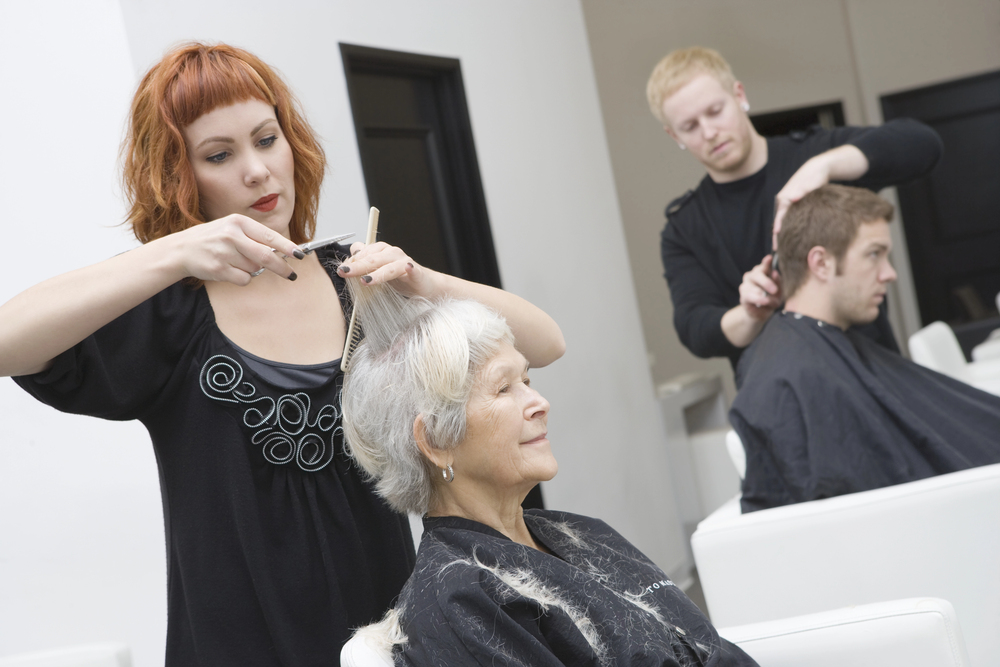
A wash-and-wear haircut is exactly what it sounds like. You wash your hair, let it dry, and it still looks good. No complex styling. No daily effort.
Simple definition
A true wash and wear haircut is designed to work with your natural hair texture.
That means:
- It keeps its shape without heat styling
- It dries into a flattering form
- It requires minimal product, if any
You don’t fight your hair. The cut does the work.
This is why searches like low maintenance haircuts for women over 60 and easy hairstyles for older women keep growing.
What makes a haircut “wash and wear”
Not every short haircut is low maintenance. The difference comes from structure.
A good wash-and-wear style includes:
- Soft layering to create natural movement
- Balanced length that doesn’t collapse flat
- A shape that supports your natural growth pattern
If the haircut depends on blow-drying to look right, it’s not truly wash-and-wear.
Why it matters more after 60
Hair changes with age. That affects how it behaves daily.
According to the American Academy of Dermatology, hair often becomes finer, drier, and less dense over time.
This leads to:
- Less natural volume
- More visible scalp
- Styles falling flat more quickly
That’s why high-maintenance styles stop working.
Dr. Ahmet Murat explains:
“The goal is to choose a cut that supports the hair’s natural texture. When the haircut is correct, styling becomes optional, not necessary.”
The key idea
A wash-and-wear haircut is not about doing less. It’s about choosing smarter.
Next, we’ll look at how hair actually changes after 60 and what those changes mean when choosing the right haircut.
Why hair changes after 60
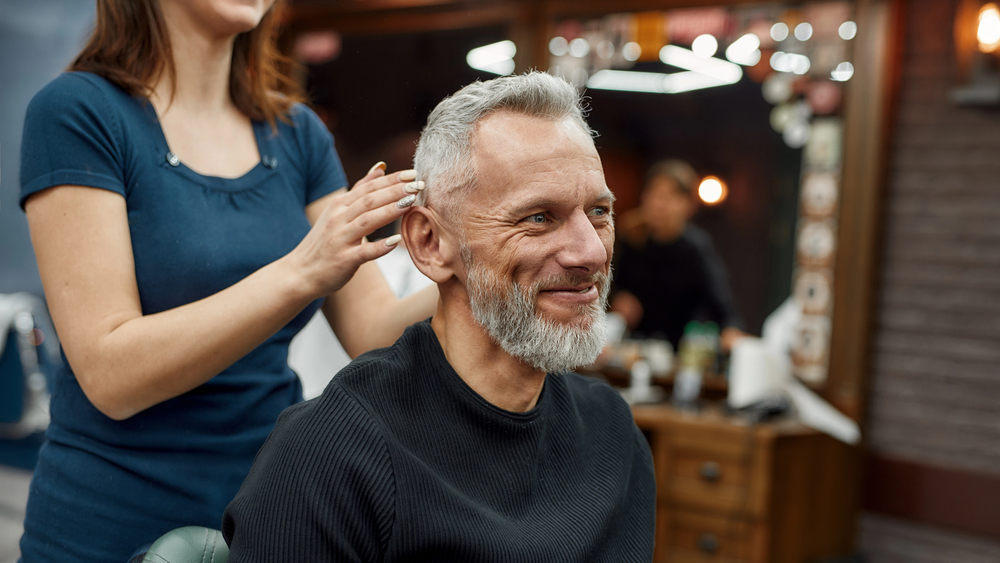
Hair does not behave the same way over time. That’s the starting point. If your old haircut suddenly feels harder to manage, it’s not random. It’s a shift in how your hair grows and holds shape.
Thinning and texture changes
One of the most common changes is reduced density.
Hair may feel:
- Finer in texture
- Less full overall
- More fragile or dry
This affects how styles sit. Cuts that once held volume can start to fall flat.
According to the American Academy of Dermatology, aging hair often goes through miniaturization. Individual strands become thinner, which reduces visible density.
That’s why searches like hairstyles for thinning hair over 60 and hairstyles for over 60 with fine hair are so common.
How this affects styling
The biggest change is how hair responds to effort.
You may notice:
- Blow-drying doesn’t hold as long
- Volume drops quickly during the day
- Heavy styles feel harder to maintain
This leads to frustration. More effort. Less result.
That’s exactly what wash and wear haircuts for over 60 aim to fix.
What your haircut needs to do differently
Instead of forcing volume, the haircut should create it naturally.
That means:
- Using layers to add movement
- Avoiding heavy, blunt shapes that collapse
- Keeping length manageable for daily wear
Dr. Ahmet Murat explains:
“As hair becomes finer, structure matters more than styling. The right cut can create volume without requiring effort every day.”
So, the focus changes from styling to design. You’re not trying to fix the hair each morning. You’re choosing a haircut that works from the start.
Next, we’ll look at the most practical part. The best wash-and-wear haircuts that actually work for women over 60.
12 best wash and wear haircuts for over 60
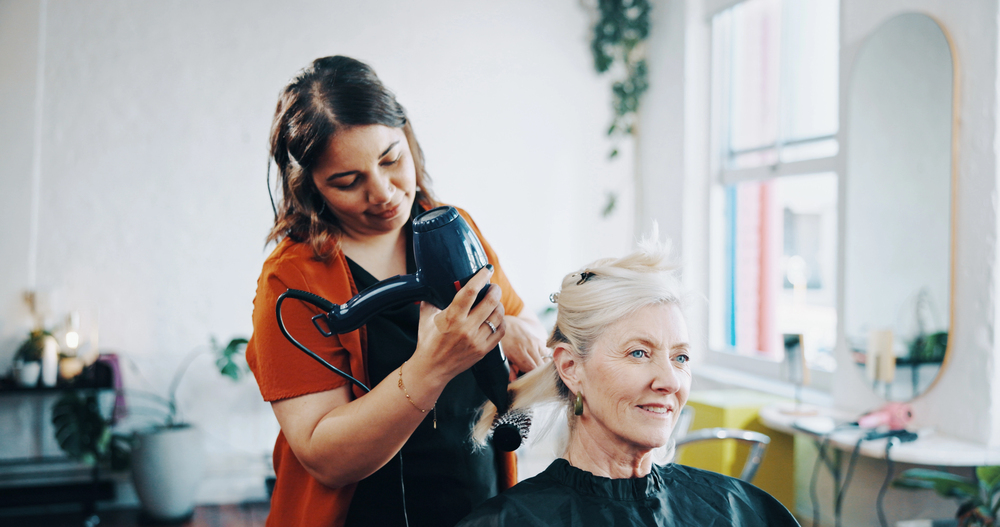
Here, the focus is simple. What works in daily life. Each of these styles fits wash and wear haircuts for over 60 because they rely on shape, not styling.
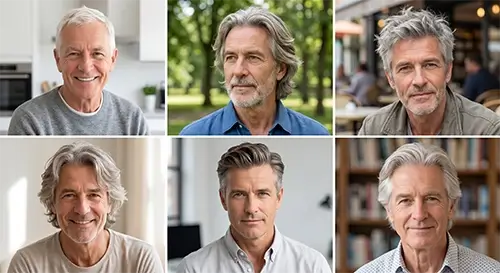
1. Pixie cut
Short. Clean. Easy. The pixie is one of the most popular low maintenance haircuts for women over 60.
- Dries quickly
- Adds natural lift at the crown
- Works well for fine hair
Best for women who want minimal effort.
2. Layered bob
A classic that adapts well to aging hair.
- Soft layers create movement
- Prevents the hair from looking flat
- Works for both straight and slightly wavy textures
A strong option for hairstyles for over 60 with fine hair.
3. Textured crop
Short but less structured than a pixie.
- Adds softness
- Creates natural volume
- Requires almost no styling
Good for those who want a relaxed look.
4. Soft shag
Light layers throughout the hair.
- Adds dimension
- Works well with natural waves
- Helps disguise thinning areas
Often recommended for hairstyles for thinning hair over 60.
5. Bixie (bob + pixie)
A balanced option between short and mid-length.
- Easy to maintain
- Keeps some length without heaviness
- Works well for most face shapes
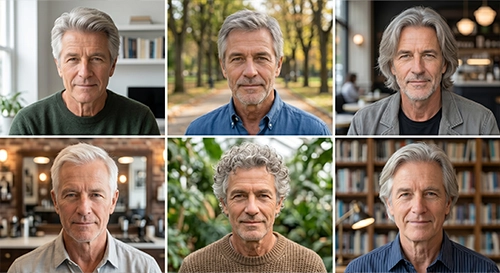
6. Feathered cut
Designed to create lightness.
- Hair falls naturally into place
- Reduces the need for styling
- Adds softness around the face
7. Wedge cut
Structured at the back, softer on top.
- Creates natural lift
- Keeps volume where needed
- Easy to manage daily
8. Short layered cut
Simple and practical.
- Layers create movement
- Prevents flatness
- Works across different hair types
9. Chin-length bob with layers
Slightly longer but still manageable.
- Frames the face
- Keeps weight balanced
- Easy to air-dry
10. Tapered cut
Shorter at the back, slightly longer on top.
- Adds natural structure
- Keeps styling minimal
- Works well for fine hair
11. Curly crop
Ideal for natural curls.
- Embraces texture
- Reduces styling time
- Creates natural volume
12. Classic short bob
Clean and simple.
- Easy to maintain
- Works well with straight hair
- Keeps a polished look without effort
Dr. Ahmet Murat explains:
“The best haircut is not the trendiest one. It’s the one that works with your natural texture and reduces daily effort.”
So, you don’t need more options. You need the right one.
Next, we’ll focus on a very specific concern. Which of these styles work best for thin or fine hair after 60?
Best wash and wear haircuts for thin hair over 60
When hair becomes finer, the goal changes. You’re no longer chasing volume with styling. You’re creating the appearance of volume through the haircut itself.
This is where many people struggle. The wrong cut can make thin hair look flatter. The right one can make it look fuller without effort.
What works best for fine or thinning hair
The most effective wash and wear haircuts for over 60 with thin hair share a few key traits:
- Light layering instead of heavy structure
- Short to medium length for better lift
- Movement that breaks up flat areas
The best-performing styles include:
- Layered bob
- Soft shag
- Pixie with texture
- Bixie cut
These styles create natural separation between strands. That reduces scalp visibility and adds dimension.
Searches like best wash and wear haircuts for thin hair over 60 and hairstyles for thinning hair over 60 focus on this exact problem.
What to avoid
Some styles work against thin hair. They add weight instead of lift.
Avoid:
- Heavy blunt cuts
- Very long, flat styles
- One-length bobs without layers
These cuts pull the hair down and make thinning more visible.
Why layering makes such a difference
Layers reduce weight. That allows the hair to lift naturally.
According to the American Academy of Dermatology, reduced density makes volume harder to maintain. That’s why structure becomes more important than styling.
The goal is not volume. It’s the illusion of volume.
This is the main shift. You’re not trying to create thickness. You’re shaping the hair so it appears fuller.
Dr. Ahmet Murat explains:
“With fine hair, less weight creates more lift. A well-layered cut can change how dense the hair appears without adding effort.”
So, the right haircut makes daily styling optional.
Next, we’ll take it one step further. How do you choose the right haircut based on your face shape and daily routine?
How to choose the right haircut for your face and lifestyle
This is where most people get stuck. You see a style you like, but it doesn’t always work for you. A good wash and wear haircut for over 60 should match two things. Your face and your daily routine.
Face shape: what actually matters
You don’t need a complicated system. Just a few simple adjustments.
- Round face: add height and light layers on top
- Oval face: most styles work, keep it balanced
- Square face: soften edges with layers around the face
- Long face: avoid too much height, keep some width
The goal is balance. Not perfection.
Short styles like pixie or layered bob can be adjusted easily to fit your shape. That’s why they appear often in short hairstyles for women over 60.
Hair type and density
Your hair texture changes what will work daily.
- Fine hair: choose layered, lightweight styles
- Thick hair: remove weight to avoid bulk
- Wavy hair: work with natural movement, not against it
This is especially important for hairstyles for over 60 with fine hair, where structure matters more than styling.
Your daily routine
This is the part many guides ignore.
Ask yourself:
- Do you want to style your hair daily?
- How much time do you want to spend in the morning?
- Do you prefer a polished or relaxed look?
If the answer is minimal effort, your haircut must support that.
Glasses and lifestyle details
If you wear glasses, shorter layers around the face often work better. They keep the look clean and balanced.
Active lifestyle? Choose cuts that hold shape even after movement.
So, a haircut is not just about how it looks. It’s about how it works for you every day.
Don’t choose based on trends.
Choose based on how your hair behaves.
Next, we’ll make it even more practical. Simple styling tips that make any haircut truly “wash and wear”.
Styling tips to make any haircut truly “wash and wear”
Even the best haircut needs a little support. The difference is how little. The goal is simple. Let your hair fall into place naturally without effort.
Air-drying the right way
Air-drying works best when you guide the hair early.
After washing:
- Gently towel-dry without rubbing
- Use your fingers to set the direction
- Let it dry without constant touching
This helps the hair settle into its natural shape.
For easy hairstyles for older women, this step makes a big difference.
Use less product, not more
Heavy products weigh the hair down. That’s the opposite of what fine or aging hair needs.
Keep it simple:
- A light volumizing mousse (optional)
- A small amount of leave-in conditioner for dryness
- Avoid thick creams or oils
Less product allows natural movement.
Work with your natural texture
Trying to change your texture every day creates more effort.
If your hair is:
- Slightly wavy: let it form naturally
- Straight: keep the cut structured
- Softly curly: use layers to define shape
This is what makes low maintenance hairstyles for women over 60 actually work.
Quick morning routine
A true wash-and-wear style should need minimal adjustment.
In the morning:
- Lightly reshape with your fingers
- Use a small amount of product if needed
- Avoid heat tools unless necessary
That’s it.
Small habits that make a big difference
- Regular trims keep the shape intact
- Sleeping on a smooth pillowcase reduces frizz
- Avoid over-washing to maintain natural texture
According to the American Academy of Dermatology, gentle handling helps maintain hair quality as it becomes more delicate over time.
Dr. Ahmet Murat explains:
“A good haircut reduces the need for styling. The routine should support the cut, not replace it.”
So, the haircut does most of the work. Your routine just supports it.
What you can learn from current trends
There is a reason certain styles keep appearing in wash and wear haircuts for over 60 searches.
Why short styles dominate
Shorter cuts:
- Hold shape better
- Dry faster
- Require less daily effort
That’s why styles like pixie and layered bob remain popular.
Why layers matter more than length
Layers create movement.
They:
- Reduce weight
- Add lift
- Improve the appearance of density
This is especially important for hairstyles for thinning hair over 60.
What this means for you
Trends are not random. They reflect what works in real life.
When a haircut is not enough
Sometimes, the issue is not the haircut. It’s the hair itself.
If you notice:
- Increasing thinning
- More visible scalp
- Loss of density over time
A haircut alone may not solve the problem.
According to the International Society of Hair Restoration Surgery, hair thinning can progress gradually and may require medical evaluation if it becomes significant.
When to consider additional support
You may benefit from:
- Hair care treatments to improve quality
- Medical advice for thinning patterns
- Professional evaluation of hair health
This doesn’t always mean surgery. It means understanding what’s happening.
Dr. Ahmet Murat explains:
“A haircut improves appearance, but it cannot replace lost density. In some cases, we look at both styling and medical solutions together.”
Statistics & Trends
- Around 52% of postmenopausal women experience noticeable hair thinning or loss, which increases the need for low-maintenance and volume-friendly haircuts.
- About 37% of women over age 65 show visible hair loss patterns, making practical and easy-to-manage hairstyles more important.
- Up to 80% of women experience changes in hair texture and density by age 60, which explains the growing popularity of wash-and-wear styles.
- Hair thinning often accelerates after menopause due to hormonal changes, leading to reduced density and more fragile strands.
- Hair follicles shrink with age, producing finer and weaker hair, which makes lightweight, layered cuts more effective than heavy styles.
- Adults typically lose 50–100 hairs per day, but regrowth slows over time, causing gradual thinning that becomes more visible.
- Hair growth rate decreases with age, which makes shorter hairstyles easier to maintain and more practical for everyday life.
- Around 25% of women experience pattern hair loss by age 50, and this percentage continues to increase with age.
- About 74% of people aged 45–65 develop gray hair, and this often comes with changes in texture that can make styling more challenging.
- Hair thinning is closely linked to reduced confidence and daily frustration, which is why simple, easy hairstyles can improve both appearance and comfort.
Frequently asked questions
What is the best wash-and-wear haircut for very fine hair over 60?
The best option is a short, layered style that adds movement without weight. Cuts like a textured pixie or layered bob help create the appearance of fullness. Fine hair benefits from light structure, not heavy shaping. The goal is to reduce flatness and allow natural lift, so the hair looks fuller without daily styling.
How can I make my haircut look fuller without using styling tools?
Focus on the haircut itself. Layers, shorter lengths, and proper shape create natural volume. You can also part your hair slightly off-center and use your fingers to lift the roots while drying. Lightweight products can help, but the main improvement comes from choosing a cut that supports your hair’s natural movement.
Why do some haircuts look flat after 60 even when styled?
Hair often becomes finer and less dense with age. This reduces its ability to hold volume. Heavy or blunt cuts can weigh the hair down, making it look flat even after styling. The solution is not more effort, but a lighter, layered structure that allows the hair to lift naturally without relying on heat tools.
How often should I trim a wash-and-wear haircut?
Regular trims are important to maintain shape. Most styles work best with a trim every 6 to 8 weeks. As hair becomes finer, even small changes in length can affect how the haircut sits. Keeping the structure fresh ensures the style continues to look natural without requiring extra effort each day.
What haircut works best if I wear glasses every day?
Short to medium-length cuts with soft layers around the face tend to work best. They prevent bulk around the temples and keep the look balanced with the frames. Styles like a layered bob or soft pixie are often recommended, as they frame the face without interfering with glasses.
How can I choose a haircut that suits my lifestyle, not just my face shape?
Start by thinking about your daily routine. If you prefer minimal effort, choose a style that holds its shape naturally. Consider how often you want to style your hair, how active you are, and how your hair behaves during the day. A practical haircut should fit your routine, not require you to change it.
Will shorter hair always make me look younger?
Not always, but it often helps create a fresher look. Shorter styles can add lift and reduce the appearance of thinning, which contributes to a more youthful appearance. The key is choosing a cut that suits your face and hair type. A well-designed haircut matters more than simply going shorter.
Where should layers be placed to create the most volume?
Layers should be placed strategically around the crown and mid-lengths. This helps lift the hair at the top while maintaining shape throughout. Too many layers can make the hair look thin, while too few can make it flat. Balanced layering creates movement and improves how full the hair appears.
Who should avoid very short haircuts after 60?
Very short styles may not suit everyone. If you prefer more coverage around the face or feel more comfortable with some length, a short bob or bixie can be a better option. Hair texture and personal style matter more than age. The goal is to find a cut that feels natural and comfortable for you.
How can I maintain healthy-looking hair with minimal effort?
Keep your routine simple and consistent. Use gentle products, avoid excessive heat, and trim regularly. Let your natural texture guide your styling instead of forcing a look. Healthy hair often comes from small habits done consistently, rather than complicated routines.
Get a personalized approach for your hair
Choosing the right haircut is a good start. Understanding your hair is even better.
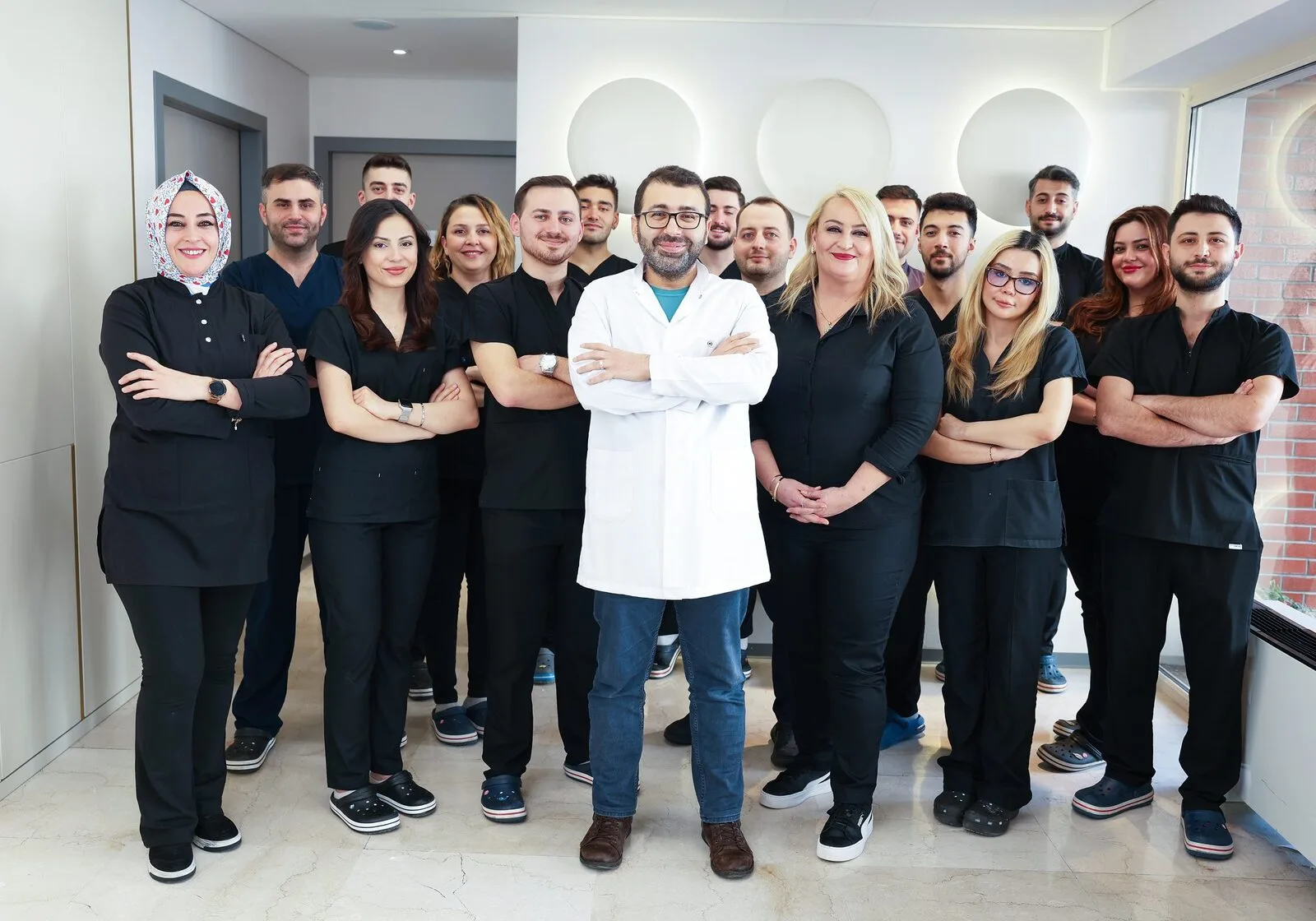
At Hermest Hair Transplant Clinic, we look beyond style.
We evaluate:
- Hair density and texture
- Thinning patterns
- Long-term hair health
This helps you choose not just a haircut, but a strategy.
Dr. Ahmet Murat explains:
“A haircut should work with your hair today, but also support how it will change over time.”
If your hair feels different than before, this is the right time to understand why.
Start with a consultation. Get clear guidance. And choose a solution that fits your daily life.