

Avocado Oil for Hair: Benefits, Uses, and Side Effects
Natural oils have been used in hair care for centuries. Coconut oil, argan oil, olive oil. Recently, avocado oil for hair has gained attention across dermatology blogs and beauty forums. People often ask the same questions: does it help hair grow, reduce dryness, or improve scalp health?
The short answer is that avocado oil benefits for hair mainly involve conditioning, moisture retention, and protection of the hair shaft. It is rich in fatty acids, antioxidants, and vitamins that support hair fiber health. According to dermatology information summarized by the American Academy of Dermatology (AAD), natural oils can reduce breakage by coating and protecting the hair shaft.
Hair strands themselves are not living tissue. Oils do not “feed” the follicle directly. What they can do is reduce damage, improve flexibility, and protect hair fibers from external stress.
This explains why many people searching for avocado oil hair benefits report smoother hair, less frizz, and improved shine.
The oil contains several nutrients associated with hair health:
- oleic acid and monounsaturated fatty acids
- vitamin E and antioxidants
- plant sterols that support scalp barrier function
Research summarized in dermatology literature available through PubMed / NIH suggests that fatty acids in plant oils may help improve hair lubrication and reduce friction between strands.
Dr. Ahmet Murat explains:
“Patients often expect oils to regrow hair. Oils mainly protect the hair fiber and scalp environment. They help reduce breakage, which can improve overall hair appearance.”
People commonly use avocado oil for dry hair, frizzy hair, and scalp hydration. Curly and textured hair types often benefit the most because these hair types naturally lose moisture faster.
This guide explains everything about avocado oil for hair, including benefits, scientific evidence, proper usage methods, potential side effects, and how it compares with other oils.
Quick Insights
- Avocado oil for hair mainly improves moisture and hair softness.
- The oil contains fatty acids, antioxidants, and vitamin E.
- These nutrients help protect and lubricate the hair shaft.
- Avocado oil benefits for hair include smoother texture and reduced frizz.
- It works well for dry, curly, or damaged hair types.
- The oil may help support scalp hydration.
- It does not directly stimulate hair follicle growth.
- Hair may appear thicker because breakage decreases.
- Use small amounts to avoid product buildup.
- Most people apply avocado oil once or twice per week.
Is avocado oil good for hair?
Yes, avocado oil for hair can improve hair condition, moisture retention, and protection against damage. The oil works mainly as a conditioning and protective treatment rather than a direct hair growth solution.
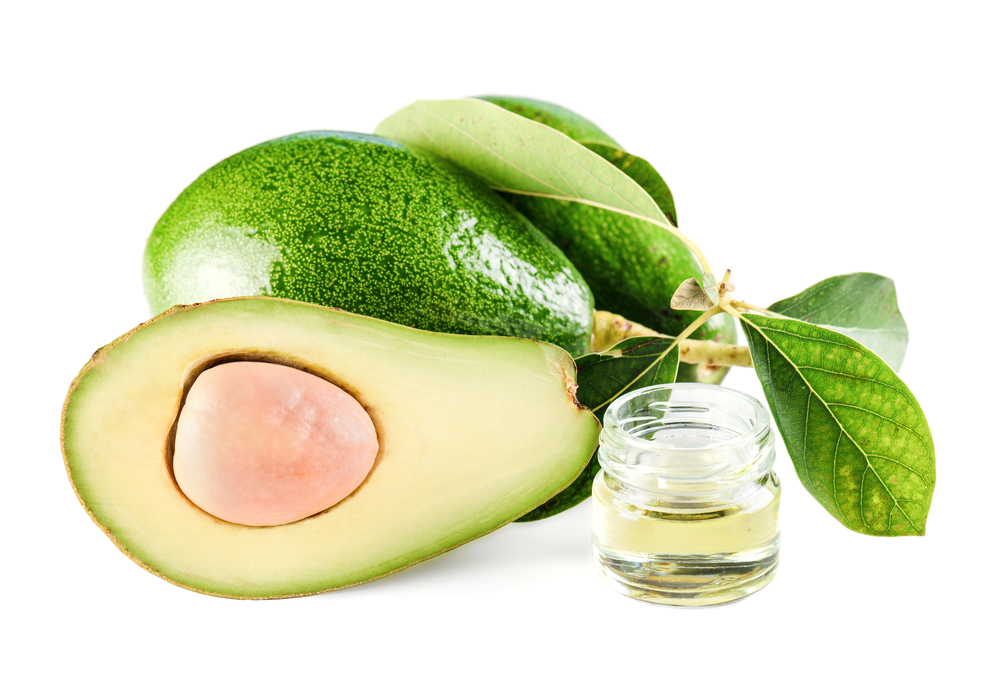
Hair strands are made of keratin protein. Over time they lose moisture through washing, heat styling, and environmental exposure. Oils help restore lubrication around the hair shaft.
Nutrients found in avocado oil
Avocado oil contains several compounds associated with hair fiber protection.
Key nutrients include:
- oleic acid (monounsaturated fatty acids)
- vitamin E antioxidants
- phytosterols
- small amounts of vitamins A and D
Fatty acids in particular help coat the hair shaft and reduce friction between strands. Research available through PubMed / NIH shows that oils rich in fatty acids may reduce protein loss from hair fibers during washing.
This explains why many people notice improved softness after applying avocado oil for dry hair.
How avocado oil interacts with hair strands
Hair fibers have overlapping cuticle layers. When these layers lift or become damaged, hair appears dull and frizzy.
Oils work by smoothing the cuticle surface.
Benefits of avocado oil hair treatments may include:
- improved hair shine
- reduced breakage during brushing
- smoother texture
- easier detangling
Dr. Ahmet Murat says:
“When hair strands stay lubricated, they resist mechanical damage better. Oils like avocado oil can help maintain the integrity of the hair shaft.”
Is avocado oil good for low porosity hair?
People with low porosity hair often struggle with heavy oils. Interestingly, avocado oil has a lighter molecular structure compared with some other oils.
For this reason many hair specialists consider avocado oil good for low porosity hair when used in small amounts.
It penetrates the hair fiber more easily than heavier oils, reducing the risk of buildup.
When avocado oil may help most
The oil tends to work best for:
- curly or textured hair
- dry hair types
- chemically treated hair
- heat-damaged hair
These hair types benefit from additional moisture retention and protective lubrication.
Does avocado oil help hair growth?
Many people searching for avocado oil for hair hope it will stimulate new hair growth. The reality is more nuanced. Avocado oil can improve the condition of hair strands and support scalp health, yet strong scientific evidence showing that it directly stimulates hair follicles is limited.
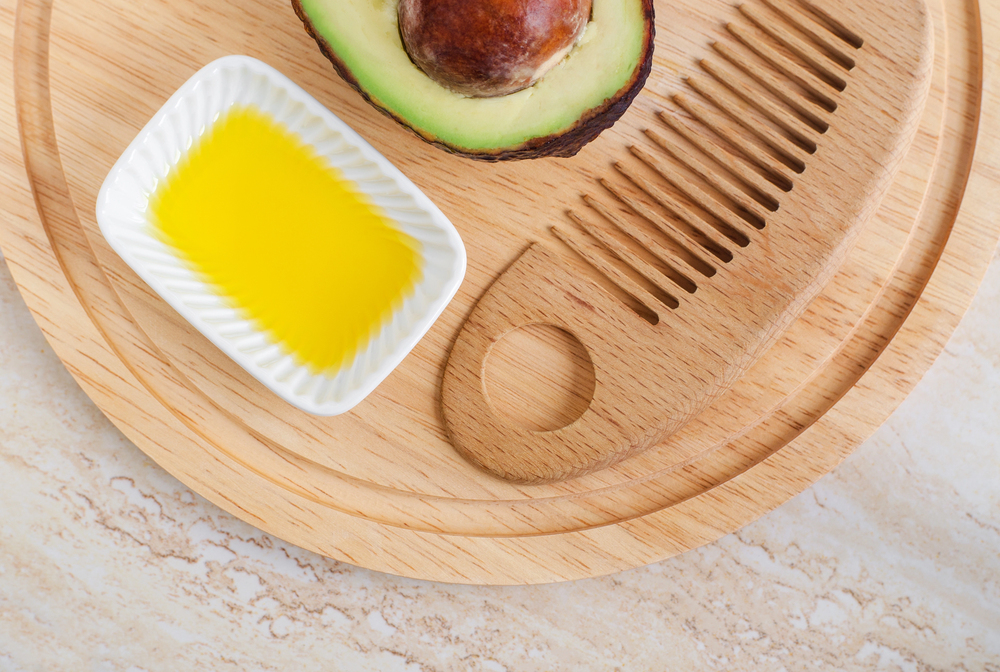
Hair growth occurs in the follicle beneath the scalp. Oils mainly interact with the hair shaft and the outer layer of skin. That means their primary role involves conditioning and protection rather than activating follicle growth.
Dermatology literature referenced through PubMed / NIH notes that plant oils rich in fatty acids may protect hair fibers and reduce protein loss. This helps hair remain stronger and less prone to breakage.
When breakage decreases, hair may appear thicker or longer. The improvement often creates the impression that avocado oil helps hair growth, even though the underlying follicle activity has not changed.
Hair growth claims versus scientific evidence
Some beauty articles promote avocado oil as a growth stimulant. Current research does not strongly support that claim.
What avocado oil may do instead:
- protect hair strands from damage
- reduce breakage during brushing
- support scalp hydration
- improve overall hair appearance
These effects help maintain healthy hair length.
Dr. Ahmet Murat explains:
“Patients sometimes expect oils to regrow hair in thinning areas. Oils mainly improve hair shaft quality. True hair growth treatments work by influencing the follicle itself.”
How oils support scalp health
Although oils do not directly stimulate follicles, they may improve the scalp environment.
Healthy scalp conditions help hair grow normally. When dryness, irritation, or inflammation develops, hair quality may decline.
Using avocado oil for scalp massage may support scalp health by:
- improving hydration
- reducing dryness
- protecting the skin barrier
When avocado oil may reduce breakage
Hair that breaks frequently cannot grow long, even if follicles remain healthy.
In this situation, avocado oil hair treatments can indirectly support length retention by protecting fragile strands.
A common misconception
Oils help maintain hair health. They do not cure genetic hair loss or conditions such as androgenetic alopecia.
Recognizing this difference helps people use avocado oil benefits for hair realistically.
Who should use avocado oil for hair?
Not every hair type responds the same way to oils. Understanding who benefits most from avocado oil for hair helps avoid buildup or unnecessary heaviness.
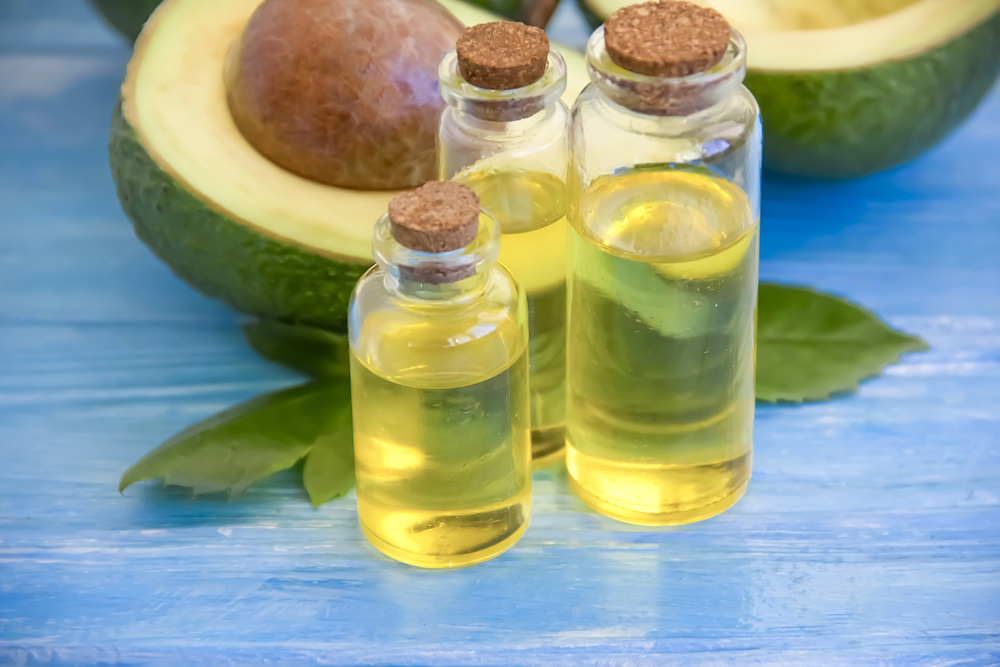
Hair texture, porosity, and scalp condition all influence how oils behave on the hair fiber. In general, avocado oil works best for hair that naturally loses moisture or experiences frequent damage.
Best hair types for avocado oil
Hair types that tend to benefit the most include:
- curly or textured hair
- dry or frizzy hair
- chemically treated hair
- heat-damaged hair
These hair types often struggle to retain moisture. Natural oils can help restore lubrication along the hair shaft.
People using avocado oil for dry hair often notice improved softness and reduced frizz after consistent use. The oil coats the cuticle layer, helping strands retain moisture and remain flexible.
Dr. Ahmet Murat explains:
“Curly and textured hair loses moisture more quickly than straight hair. Conditioning oils like avocado oil can help maintain hydration and reduce mechanical damage.”
Is avocado oil good for low porosity hair?
Low porosity hair has tightly packed cuticle layers. These strands resist absorbing heavy oils and products.
Fortunately, avocado oil is lighter than some traditional oils. Because of its higher oleic acid content, it can penetrate the hair shaft more easily.
This is why many hair specialists consider avocado oil good for low porosity hair when used sparingly.
Applying a small amount prevents buildup while still providing moisture.
Hair types that should use it cautiously
Some hair types may experience heaviness if too much oil is applied.
These include:
- fine hair strands
- naturally oily scalp types
- hair prone to product buildup
Using too much oil may leave hair looking greasy or flat.
Can I use cooking avocado oil for hair?
A common question is can I use cooking avocado oil for hair. Technically, yes. Pure food-grade avocado oil can condition hair fibers.
However, cosmetic-grade oils are usually filtered and formulated specifically for hair care. These products may feel lighter and absorb more easily.
How to use avocado oil for hair
Using avocado oil for hair correctly makes a noticeable difference in results. The oil can be applied in several ways depending on hair type, dryness level, and scalp condition. Some people prefer scalp treatments, while others use it as a conditioning mask.
The goal is simple: improve moisture retention and protect the hair shaft without causing buildup.
Scalp massage treatment
A scalp massage is one of the simplest ways to use avocado oil for scalp care. The oil hydrates the scalp and helps soften dry skin.
Apply a small amount of oil directly to the scalp. Massage gently with your fingertips for several minutes. This spreads the oil evenly and stimulates circulation.
Many people use this method to help relieve dryness or mild flaking.
Dr. Ahmet Murat explains:
“Scalp massage improves blood circulation around the follicles. Oils themselves do not stimulate growth directly, but healthy scalp conditions support normal hair cycles.”
Leave the oil on the scalp for about 30 minutes before washing.
Avocado oil hair mask
Hair masks are popular for restoring moisture to dry or damaged hair. A simple avocado oil hair mask can be made at home.
Mix avocado oil with ingredients such as:
- mashed avocado
- honey
- yogurt
- coconut oil
Apply the mixture from mid-length to the ends of the hair. Leave it on for 20 to 30 minutes, then rinse and shampoo normally.
This method helps improve softness and shine, especially for curly or dry hair types.
Leave-in conditioning treatment
A small amount of oil can also be used as a leave-in conditioner.
After washing and towel drying the hair, apply a few drops of avocado oil for hair to the ends. Focus on the driest areas rather than the scalp.
This helps smooth the cuticle layer and reduce frizz.
How often should avocado oil be used on hair?
The ideal frequency depends on hair type.
Typical routines include:
- once or twice weekly for dry or curly hair
- once every one to two weeks for normal hair
- occasionally for fine or oily hair
Using too much oil may weigh hair down.
How to make avocado oil for hair?
Some people prefer homemade treatments. Extracting oil directly from avocados requires drying the fruit pulp and pressing the oil, which can be difficult at home.
A simpler option is blending avocado into a hair mask with natural oils.
Many people find this method easier and more effective for conditioning.
Are there side effects of avocado oil for hair?
Most people tolerate avocado oil for hair very well. It is widely used in hair care products and natural treatments. Still, any topical ingredient can cause unwanted effects when used incorrectly or in excessive amounts.
Understanding what are the side effects of avocado oil for hair helps prevent scalp irritation and product buildup.
Scalp irritation or allergic reactions
Although rare, some individuals may experience mild skin reactions after applying oils to the scalp.
Possible symptoms include:
- itching
- redness
- burning sensation
- scalp sensitivity
These reactions usually occur in people with sensitive skin or allergies to avocado.
Dermatology guidance from the American Academy of Dermatology (AAD) suggests patch testing new hair products before applying them widely. Applying a small amount behind the ear or on the inner arm can help identify potential irritation.
Dr. Ahmet Murat explains:
“Natural oils are generally safe, but every scalp reacts differently. When trying a new product, I recommend starting with a small amount and observing how the scalp responds.”
Product buildup on the scalp
Another potential issue is buildup.
Oils coat the hair shaft and scalp surface. When applied too frequently or in large amounts, they may accumulate and weigh the hair down.
Common signs of buildup include:
- greasy or heavy hair texture
- dull appearance
- difficulty washing out the oil
People with fine hair are particularly prone to this effect.
Can oils clog hair follicles?
Hair follicles can become blocked when heavy oils accumulate with other styling products. This situation may irritate the scalp or worsen dandruff.
Using moderate amounts and washing hair regularly helps prevent this problem.
Hair types that should use caution
Certain hair types may respond better to lighter oils.
Use avocado oil hair treatments cautiously if you have:
- very fine hair
- naturally oily scalp
- scalp conditions prone to buildup
Applying oil mainly to the ends rather than the scalp often works best.
Safe usage practices
To reduce the risk of side effects:
- apply small amounts of oil
- wash hair thoroughly after treatments
- avoid combining oils with heavy styling products
- monitor scalp response
These simple precautions help ensure avocado oil benefits for hair without causing unwanted buildup or irritation.
Avocado oil vs other hair oils
Natural oils differ in texture, absorption, and benefits. Many people compare avocado oil for hair with other popular oils such as coconut oil or argan oil.
Each oil interacts with the hair fiber in slightly different ways.
Avocado oil vs coconut oil
Coconut oil is one of the most widely used hair oils. It contains lauric acid, a fatty acid that penetrates the hair shaft effectively.
Avocado oil, on the other hand, contains oleic acid and monounsaturated fats, which provide strong moisturizing effects.
Key differences:
- coconut oil penetrates the hair shaft deeply
- avocado oil offers lighter conditioning
- coconut oil may feel heavier on fine hair
- avocado oil often works better for smoothing frizz
Many people ask: is avocado oil better than coconut oil for hair?
The answer depends on hair type.
Coconut oil tends to work well for thick or coarse hair. Avocado oil for hair may be more suitable for individuals who want moisture without heaviness.
Avocado oil vs argan oil
Argan oil is known for its lightweight texture and high vitamin E content.
Compared with argan oil:
- avocado oil provides deeper conditioning
- argan oil offers lighter shine and smoothing
People with dry or damaged hair often prefer avocado oil, while those with fine hair may prefer argan oil.
Dr. Ahmet Murat notes:
“No single oil works best for everyone. Choosing the right oil depends on hair texture, scalp condition, and styling habits.”
Frequently Asked Questions about Avocado Oil for Hair
Is it good to put avocado oil in hair?
Yes. Avocado oil for hair can improve softness, reduce frizz, and protect hair from breakage. The oil coats the hair shaft and helps retain moisture.
Which oil grows hair fastest?
No oil has been scientifically proven to make hair grow faster. Oils mainly condition hair and protect strands from damage.
How long should you leave avocado oil in hair?
Most people leave the oil in hair for 20 to 30 minutes before washing. Some leave small amounts on the ends as a leave-in conditioner.
Is avocado oil better than coconut oil for hair?
Both oils have benefits. Coconut oil penetrates the hair shaft deeply, while avocado oil offers lighter conditioning and frizz control.
How often should avocado oil be used on hair?
Many people use avocado oil hair treatments once or twice per week. Hair type and dryness levels may change the ideal routine.
What are the side effects of avocado oil for hair?
Side effects are uncommon but may include scalp irritation or oily buildup when too much oil is used.
Is avocado oil good for low porosity hair?
Yes, in small amounts. Because it is lighter than some oils, avocado oil can work well for low porosity hair when applied sparingly.
Can I use cooking avocado oil for hair?
Pure food-grade avocado oil can be used on hair, although cosmetic-grade oils are usually formulated for better absorption and lighter texture.
Improve Your Hair Health with Expert Guidance
Natural oils such as avocado oil for hair can help improve moisture, reduce breakage, and support scalp comfort. Yet persistent hair thinning or hair loss often requires a deeper evaluation.

At Hermest Hair Transplant Clinic, Dr. Ahmet Murat and his medical team analyze scalp health, hair density, and hair loss patterns before recommending treatments.
Dr. Ahmet Murat says:
“Hair oils can improve the condition of hair fibers, but when patients experience thinning or hair loss, identifying the underlying cause is essential.”
If you are concerned about hair thinning, scalp health, or hair loss, expert guidance can help determine the best approach.
Schedule a consultation with Hermest Transplant Hair Clinic to receive a personalized hair care and treatment plan tailored to your hair type and scalp condition.