

Choosing the Right Hairline: Types, Face Shapes & Transplant Guide
Choosing the right hairline sounds simple. In reality, it’s one of the most misunderstood decisions. Searches like types of hairline, hairline type, and best hairline for hair transplant show how many people are trying to figure this out. The problem is not lack of information. It’s lack of clarity.
A hairline is not just a line. It frames your face. It defines how natural or artificial you look. Small changes can make a big difference. Many people focus on lowering the hairline or making it straighter. That often leads to results that don’t age well.
According to the International Society of Hair Restoration Surgery, a well-designed hairline should match facial proportions and look natural over time. That means balance, not perfection.
Dr. Ahmet Murat explains:
“The goal is not to create a perfect hairline. It’s to create one that looks natural today and still looks natural years later.”
This guide focuses on that decision.
We’ll break down:
- Different hairline shapes and what they mean
- How face shape affects the ideal design
- What makes a hairline look natural
- What works best in a transplant
- What to avoid if you want long-term results
Let’s start with the basics. What exactly is a hairline, and why does it matter more than most people think?
Quick Insights: Choosing the Right Hairline
- A hairline defines facial balance and overall appearance
- Different types of hairline suit different face shapes
- Natural hairlines are slightly irregular and gradually dense
- The best design matches face shape, age, and hair pattern
- Lower or straighter is not always better
- Hair loss progression must be considered in planning
- Personalization is more important than copying examples
According to the International Society of Hair Restoration Surgery, long-term planning and natural design are main factors in successful hair restoration.
Dr. Ahmet Murat adds:
“A good hairline should not draw attention. It should feel like it has always been there.”
What is a hairline and why it matters
A hairline is the outline where your hair meets your forehead. It may sound simple, but it plays a major role in how your face looks. It affects proportion, symmetry, and overall balance.
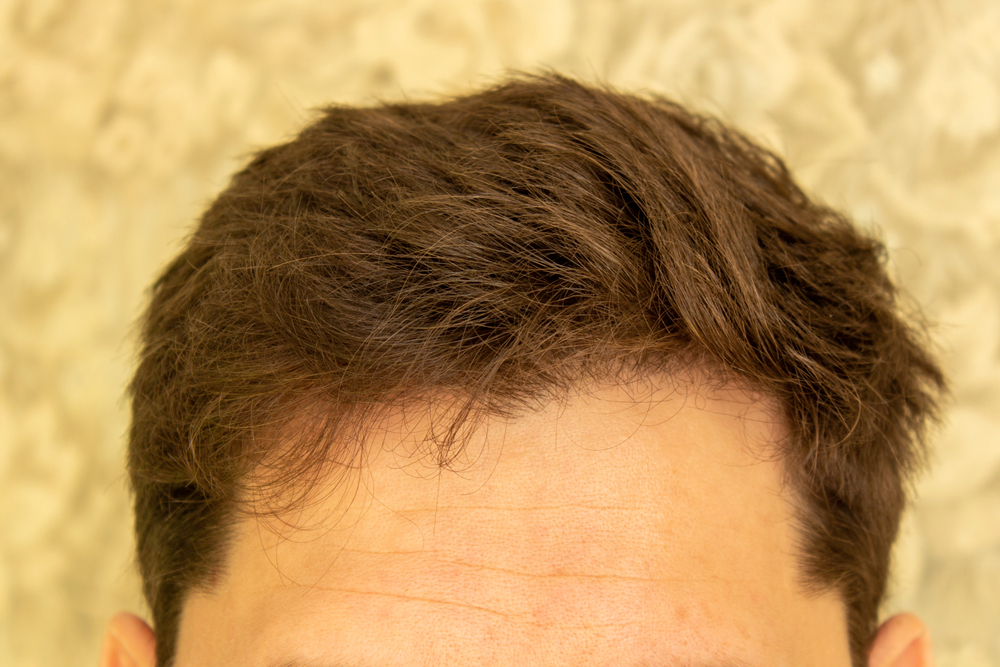
Even small changes can shift how youthful or natural your appearance feels.
What is a hairline in simple terms
Your hairline is not a fixed straight line. It has shape, depth, and variation.
Common features include:
- The position of the front edge
- The shape around the temples
- The density and transition into the forehead
These elements together define your hairline type.
Searches like type of hair line and types of hairline reflect how people try to understand these variations.
Why the hairline changes your appearance
The hairline frames the upper part of the face.
If it is too low, it can look unnatural.
If it is too high, it can make the face look older.
The right position creates balance.
According to the International Society of Hair Restoration Surgery, a natural-looking hairline should align with facial proportions and maintain harmony with the rest of the features.
That’s why design matters more than simply adding hair.
Why it matters even more in a transplant
In hair restoration, the hairline is the most visible part of the result.
It is what people notice first.
Mistakes in this area are difficult to correct later.
That’s why searches like best hairline for hair transplant are so important. People want a result that looks natural, not artificial.
Dr. Ahmet Murat explains:
“Hairline design is the foundation of the entire result. If the hairline is not correct, the rest of the transplant cannot look natural.”
The key idea
A hairline is not just about where hair grows.
It’s about how your face is framed.
Next, we’ll break down the different types and what each one actually means in real life.
Types of hairline
Not all hairlines are the same. Each shape creates a different look and suits different faces.
Understanding types of hairline helps you avoid choosing a shape that looks unnatural.
What are the main hairline types?
There are several common shapes you’ll see when people search hairline type or type of hair line.
M-shaped hairline
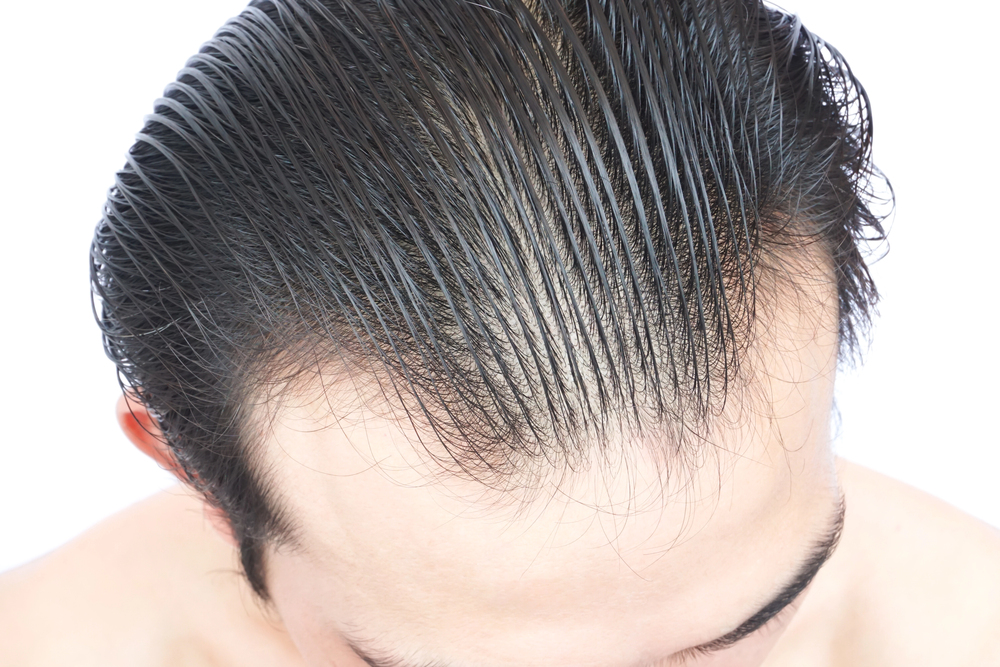
This is the most common male pattern.
- Recession at the temples
- Slight dip in the center
- Natural and age-appropriate
It often develops gradually over time.
Rounded hairline
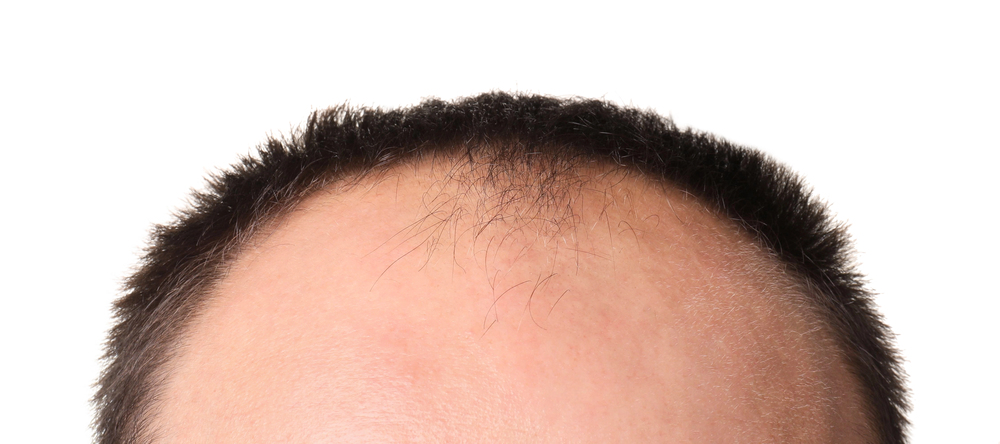
A softer, curved front.
- Less temple recession
- Smooth transition across the forehead
- Often seen in younger individuals
This shape creates a softer appearance.
Straight hairline
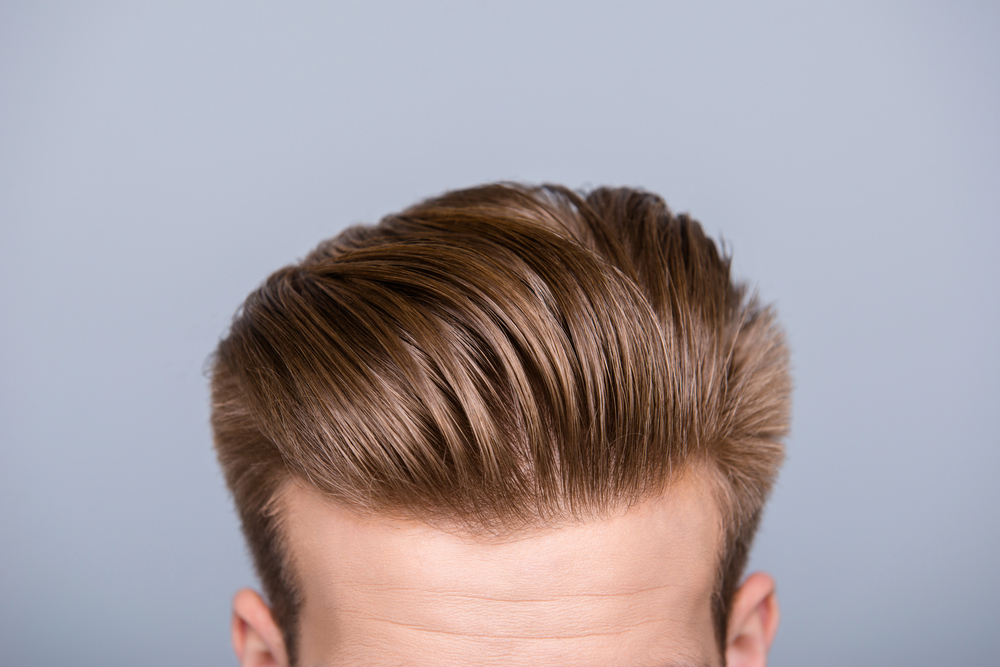
A flat, horizontal front line.
- Minimal curvature
- Sharp and defined look
- Often chosen for aesthetic reasons
If designed too straight, it can look artificial.
Widow’s peak

A V-shaped point in the center.
- Natural genetic pattern
- Can be subtle or pronounced
- Adds character to the hairline
This type is not a flaw. It’s a variation.
Receding hairline

A progressive change rather than a fixed type.
- Temples move backward
- Forehead appears larger
- Common with age
This is often the starting point for hair transplant planning.
Why choosing the right type matters
Each shape affects how the face is perceived.
A rounded hairline may suit one person, while an M-shaped hairline looks more natural on another.
According to general design principles referenced in clinical guides, hairline shape should match facial proportions rather than follow trends.
Dr. Ahmet Murat explains:
“We don’t force a single hairline shape on every patient. The goal is to match the natural structure of the face.”
The key idea
There is no universal “best” hairline.
There is only the right one for your face.
Next, we’ll look at how hairline design differs between men and women and why that distinction matters.
Hairline types for men vs women
Hairlines are not designed the same way for everyone. Gender plays a major role in how a natural result should look.
The difference is not just shape. It’s also density, softness, and positioning.
What defines a male hairline

A typical male hairline has:
- Slight recession at the temples
- A more angular or M-shaped outline
- A less dense front edge
This creates a mature and natural look.
Trying to create a perfectly straight or very low hairline in men often looks artificial. It does not match how male hairlines evolve over time.
This is why searches like hairline shapes men and best hairline for hair transplant male focus on balance rather than perfection.
What defines a female hairline
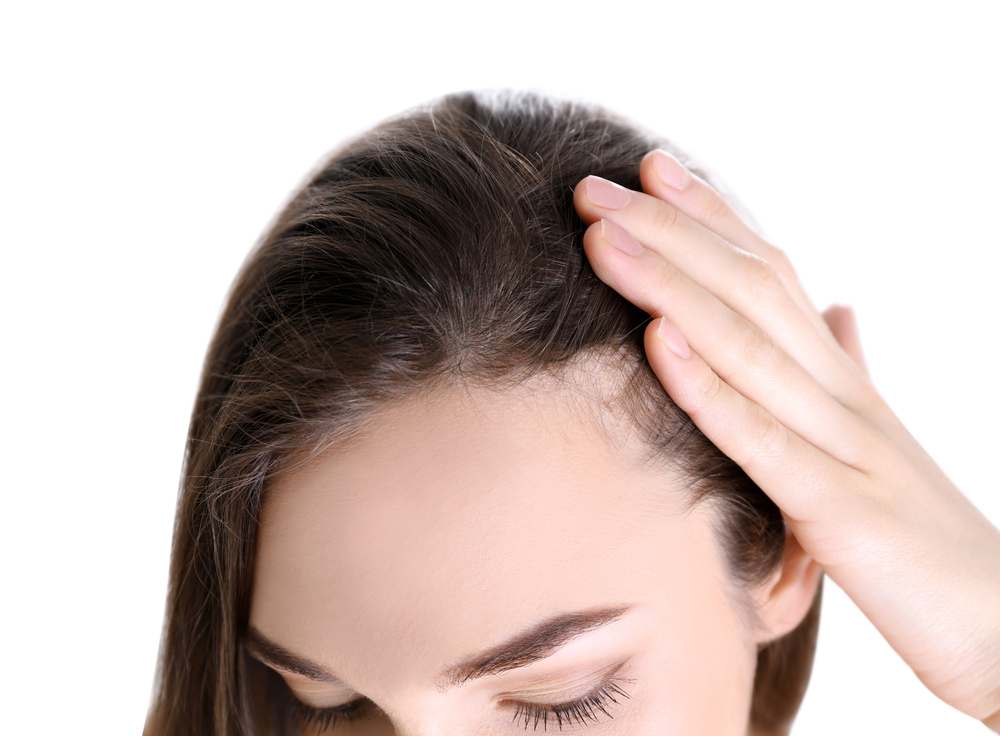
Female hairlines are different in structure.
They usually have:
- A more rounded and continuous shape
- Minimal temple recession
- Higher density at the front
The transition from forehead to hair is softer.
This creates a smoother and fuller appearance.
Why this difference matters in design
Mixing these patterns leads to unnatural results.
For example:
- A straight, low hairline on a male face can look artificial
- A receded or angular hairline on a female face can look harsh
According to design principles referenced in clinics, natural hairline design should reflect gender-specific characteristics and facial harmony.
The role of proportion
Hairline position often follows basic facial balance rules.
One common approach is the “rule of thirds”, where the face is divided into equal sections.
The hairline should align with these proportions, not ignore them.
Dr. Ahmet Murat explains:
“A natural hairline is not just about shape. It’s about proportion. When the position and density match the face, the result looks effortless.”
The key idea
A natural result comes from matching the hairline to the person.
Not forcing a single shape.
Next, we’ll go deeper into personalization. Which hairline works best for different face shapes?
Best hairline for different face shapes
The right hairline is not universal. It depends on how it balances your face.
Searches like hairline for round face and best hairline for oval face show that people want a clear answer. The key is understanding what each face shape needs.
Hairline for round face
A round face has softer angles and equal width and height. The goal is to create length and structure.
The best approach:
- Slightly higher hairline position
- Subtle temple definition
- Avoid overly rounded shapes
A very low or curved hairline can make the face look wider.
Adding slight angles helps create balance.
Best hairline for oval face
An oval face is already balanced. That makes it the most flexible.
The best approach:
- Maintain natural proportions
- Avoid lowering the hairline too much
- Keep a soft, slightly irregular shape
Almost all types of hairline can work here, as long as the design stays natural.
Hairline for square face
A square face has strong angles and a defined jaw. The goal is to soften the upper frame.
The best approach:
- Rounded or slightly curved hairline
- Avoid sharp, straight lines
- Keep natural irregularity
This reduces harshness and creates a more balanced look.
Hairline for long face
A longer face benefits from reducing vertical length.
The best approach:
- Slightly lower hairline
- Avoid excessive height at the front
- Maintain width through the temples
This helps balance proportions.
Why face shape matters in hairline design
A hairline that looks good on one person may not suit another.
According to design principles referenced by clinics, matching the hairline to facial structure is key for natural results.
Dr. Ahmet Murat explains:
“We don’t design hairlines in isolation. We design them to fit the face. That’s what creates harmony.”
The key idea
The best hairline is the one that balances your features.
Next, we’ll look at what actually makes a hairline look natural, regardless of shape.
What makes a natural hairline
A natural hairline is not perfectly straight. It is not overly dense. And it is never identical from one side to the other. This is where many mistakes happen.
Searches like natural hairline male and hairline design hair transplant often focus on shape, but natural appearance comes from multiple factors working together.
Irregularity is important
Real hairlines are slightly uneven. They include:
- Small variations in height
- Subtle asymmetry
- Soft, broken edges
A perfectly straight line often looks artificial, especially in close-up.
This is one of the most important details in natural design.
Density should increase gradually
A natural hairline does not start with full density.
Instead, it follows a transition:
- Lighter density at the very front
- Gradual increase behind it
- Full density further back
This creates a soft, realistic look.
According to general clinical principles referenced by the International Society of Hair Restoration Surgery, gradual density transition is a key factor in achieving natural results.
Age-appropriate positioning
A natural hairline matches the person’s age.
Lowering the hairline too much may look good initially, but it often becomes unnatural over time.
A slightly higher, balanced position usually ages better.
Direction and angle of hair
Hair does not grow straight forward.
Each graft or strand has:
- A natural direction
- A specific angle
- A flow pattern
Ignoring this creates an unnatural look.
The balance between shape and softness
The most natural results combine:
- A well-defined overall shape
- Soft edges at the front
- Controlled density
Dr. Ahmet Murat explains:
“Natural hairlines are never perfect. Small irregularities and gradual density changes are what make them believable.”
The key idea
Natural does not mean symmetrical or sharp.
It means realistic.
Next, we’ll focus on a very practical question. What is the best hairline approach when planning a hair transplant?
Best hairline for hair transplant
When people search best hairline for hair transplant, they often expect a single answer. There isn’t one. What works depends on long-term planning, not just how it looks today.
Conservative vs aggressive design

One of the biggest decisions is how low and dense the hairline should be.
A conservative design:
- Keeps the hairline slightly higher
- Matches natural aging patterns
- Uses grafts efficiently
An aggressive design:
- Lowers the hairline significantly
- Requires more grafts
- Can look unnatural over time
Most natural results come from conservative planning.
Why long-term planning matters

Hair loss does not stop after a transplant.
According to the American Academy of Dermatology, androgenetic alopecia continues to progress over time.
This means:
- Native hair can keep thinning
- The hairline must still look natural years later
- Donor hair must be used carefully
Ignoring this leads to imbalance later.
Matching the hairline to future hair loss
A good design considers:
- Current hair density
- Expected progression
- Donor area capacity
This ensures the result stays balanced as hair changes.
Why “lower is not better”

Lowering the hairline too much creates problems:
- It looks unnatural for the person’s age
- It uses excessive grafts
- It limits future options
A slightly higher, natural hairline often looks better long-term.
Precision over quantity
The focus is not on maximum density.
It’s on:
- Proper placement
- Natural angles
- Balanced distribution
Dr. Ahmet Murat explains:
“The best hairline is not the lowest or the densest. It is the one that remains natural as the patient ages.”
The role of advanced techniques

Modern methods like UNIQUE FUE® and structured approaches such as AIS (Aesthetic Implantation Strategy) at Hermest Hair Transplant Clinic focus on:
- Natural hairline irregularity
- Gradual density transition
- Long-term aesthetic balance
The key idea
A successful hair transplant starts with the right hairline design.
Next, we’ll look at the underlying principles surgeons use, including concepts like the golden ratio and facial proportions.
Golden ratio & rule of thirds in hairline design
Hairline design is not random. It follows proportions that help the face look balanced.

Two concepts are commonly used: the golden ratio and the rule of thirds.
What is the rule of thirds?
The face can be divided into three equal parts:
- From hairline to eyebrows
- From eyebrows to the base of the nose
- From nose to the chin
A balanced hairline usually aligns with this structure.
If the hairline is placed too low, the upper third becomes too small.
If it is too high, the forehead appears larger than the rest of the face.
This is why positioning matters as much as shape.
What is the golden ratio?
The golden ratio is a proportion often seen in facial aesthetics. It focuses on harmony rather than exact measurement.
In hairline design, it helps guide:
- The distance between facial features
- The width and curvature of the hairline
- The balance between forehead and face
According to general design principles referenced by clinics, these proportions are used to create a natural and balanced appearance.
Why these principles are important
They prevent common mistakes such as:
- Placing the hairline too low
- Creating an unnatural straight line
- Ignoring facial proportions
These guidelines help ensure the hairline fits the face instead of standing out.
Why they are not strict rules
Every face is different.
These principles are used as a guide, not a fixed formula.
Hair type, age, and personal features all influence the final design.
Dr. Ahmet Murat explains:
“We use proportions as a starting point, but the final design is always adjusted to the individual. No two hairlines should look identical.”
The key idea
A well-designed hairline follows balance, not exact measurements.
Next, we’ll look at common mistakes people make when choosing a hairline and how to avoid them.
Common mistakes when choosing a hairline
Most problems with hairline design come from simple decisions that seem right at the time but don’t hold up later.
Understanding these mistakes can save years of regret.
Choosing a hairline that is too low
Lowering the hairline is one of the most common requests.
It may look appealing at first, but it often creates issues:
- It looks unnatural for the person’s age
- It uses too many grafts
- It limits future correction options
A slightly higher, balanced position usually ages better.
Creating a perfectly straight line
A straight, sharp edge might look clean in theory.
In reality, it often looks artificial.
Natural hairlines have:
- Small irregularities
- Soft transitions
- Slight asymmetry
Ignoring these details makes the result stand out in the wrong way.
Ignoring future hair loss
Hair loss does not stop after a procedure.
According to the American Academy of Dermatology, hair thinning continues over time unless managed.
Designing a hairline without considering this can lead to:
- Isolated dense areas
- Imbalance between front and back
- A less natural look over time
Focusing only on density
More density does not always mean better results.
Too much density in the front can:
- Look unnatural
- Reduce the soft transition effect
- Make the hairline appear artificial
Copying someone else’s hairline
Every face is different.
A hairline that suits one person may not work for another.
Face shape, age, and hair type all matter.
Dr. Ahmet Murat explains:
“We often see patients asking for a specific hairline. Our role is to adapt that idea to their face, not copy it directly.”
The key idea
The best hairline is not the most noticeable one.
It’s the one that looks like it was always there.
What you can learn before choosing your hairline
At this point, the goal becomes clear. You’re not choosing a shape. You’re choosing what will look natural over time.
Searches like what hairline suits my face and best hairline for hair transplant reflect the same concern. Making the right decision once.
Start with your current hair pattern
Your natural hairline matters.
Look at:
- Temple position
- Existing density
- Direction of hair growth
A good design builds on what you already have. It does not ignore it.
Consider how your hair will change
Hair loss is not static. According to the American Academy of Dermatology, thinning progresses over time in most cases.
That means your hairline should still look natural years later.
Planning only for today creates problems later.
Balance face shape, age, and density
The right hairline comes from combining three factors:
- Face shape (round, oval, square, long)
- Age and natural proportions
- Available donor hair
Ignoring one of these leads to imbalance.
This is why hairline for round face or best hairline for oval face cannot be answered with a single template.
Think long-term, not short-term
A natural result is not about making the biggest change. It’s about making the right change.
A slightly higher, well-designed hairline:
- Ages better
- Requires fewer grafts
- Looks more realistic
Why personalization matters most
No two faces are the same.
No two hairlines should be identical.
Dr. Ahmet Murat explains:
“The best hairline is the one that fits the patient’s face, hair pattern, and future changes. That’s why every design must be personalized.”
The key idea
You’re not choosing a trend.
You’re choosing a long-term result.
Frequently asked questions
What hairline type looks the most natural on men?
The most natural option is usually a slightly receded, irregular hairline with soft temple angles. A perfectly straight or very low hairline often looks artificial over time. A natural result includes small asymmetries and gradual density. The goal is to match how male hairlines typically evolve rather than forcing a youthful or overly sharp design.
How do I know which hairline suits my face shape?
Start by identifying your face shape and focusing on balance. Round faces benefit from slightly higher and more angular hairlines, while oval faces can support most shapes. Square faces need softer curves, and longer faces benefit from slightly lower positioning. The best approach is to create proportion, not follow a fixed template.
Why do some hair transplant hairlines look unnatural?
Unnatural results usually come from poor design choices. Common reasons include placing the hairline too low, making it too straight, or using too much density at the front. Ignoring natural irregularity and future hair loss progression also contributes. A natural hairline should blend gradually and match the person’s age and facial structure.
How important is age when designing a hairline?
Age plays a major role. A hairline that looks appropriate at 25 may not look natural at 40 or 50. Designing a slightly mature, balanced hairline often creates better long-term results. The goal is to ensure the hairline continues to fit your appearance as you age, rather than looking artificially youthful.
Will lowering my hairline always improve my appearance?
Not always. Lowering the hairline too much can disrupt facial proportions and make the result look unnatural. It can also use excessive grafts, limiting future options. A well-positioned hairline that matches your face usually looks better than a lower one that draws attention.
What is the difference between a natural and artificial hairline?
A natural hairline has irregular edges, gradual density, and soft transitions. An artificial one often looks too straight, too dense, or too symmetrical. Natural hairlines mimic how hair grows in real life, while artificial ones appear designed or “drawn” rather than organic.
How does hair density affect hairline design?
Density should increase gradually from the front to the back. Too much density at the front creates a harsh, unnatural look. Lower density at the front with gradual thickening behind it creates a softer, more realistic appearance. Placement matters more than simply increasing the number of grafts.
Where should the hairline be positioned on the forehead?
The position is usually determined by facial proportions, often using the rule of thirds. The distance from the hairline to the eyebrows should balance with the rest of the face. Placing it too low or too high disrupts this balance. A properly positioned hairline aligns with natural facial structure.
Who is a good candidate for hairline correction or redesign?
People with visible recession, uneven hairlines, or dissatisfaction with their current shape may be candidates. A strong donor area and stable hair loss pattern are also important. A proper evaluation is needed to determine whether correction will produce a natural and sustainable result.
How long should a well-designed hairline last?
A properly planned hairline should remain natural-looking for many years. The transplanted hair is typically permanent, but surrounding natural hair may continue to thin. That’s why long-term planning and maintenance are important to preserve overall balance and appearance.
Get a hairline that actually fits you
Choosing a hairline is not about copying a trend or lowering it as much as possible. It’s about getting it right the first time. At Hermest Hair Transplant Clinic, we focus on designing hairlines that match your face, your hair pattern, and how your hair will change over time.

We don’t use templates.
We analyze:
- Facial proportions and symmetry
- Hair density and donor capacity
- Current pattern and future progression
Then we design a hairline that looks natural today and still looks natural years later.
Using UNIQUE FUE® and our AIS (Aesthetic Implantation Strategy) protocol, we focus on:
- Natural irregularity at the front
- Gradual density transition
- Age-appropriate positioning
Dr. Ahmet Murat explains:
“A successful hairline is not the one that stands out. It’s the one that blends in so naturally that no one questions it.”
If you’re thinking about changing your hairline or planning a transplant, this is the most important step.
Get a professional evaluation.
See what actually suits your face.
And move forward with a plan designed for long-term results.