

Scalp Health: How to Combat Pimples and Maintain Clear Skin
If you are dealing with scalp acne, small bumps, or painful pimples on scalp, the first thing to know is this: not every bump is actually acne. Many cases related with scalp health come from clogged follicles, irritation, or product buildup rather than true acne. That difference changes how you treat it and how fast it clears.
Most people search for how to get rid of scalp acne and try random shampoos or home remedies. Sometimes it works. Often it doesn’t. The reason is simple. The scalp behaves differently than facial skin. It produces oil, traps sweat, and holds product residue more easily. According to the American Academy of Dermatology, blocked follicles and excess oil create an environment where inflammation and bacteria can develop.
That leads to:
- Itchy or painful bumps
- Red or inflamed areas
- Whiteheads or pus-filled spots
- Tender areas under the hair
This is where confusion starts. Some of these symptoms belong to scalp folliculitis, not acne. Others come from irritation caused by styling products, oils, or even treatments like minoxidil. Treating all of them the same way rarely works.
Dr. Ahmet Murat says: “We see many patients who think they have acne, but the real issue is scalp irritation or buildup. Once we identify the cause, the solution becomes much simpler and faster.”
Clear scalp skin is not about using stronger products. It is about understanding what is happening on your scalp.
In this guide, you will learn:
- Why scalp pimples form
- How to tell acne from other conditions
- What treatments actually work
- How to prevent recurrence
A healthy scalp supports healthy hair. Getting this right makes a visible difference.
Quick Insights
- Scalp acne is usually caused by oil, sweat, and product buildup rather than poor hygiene alone
- Not every bump is acne; conditions like scalp folliculitis or irritation are often mistaken for it
- Heavy products applied to the scalp can clog follicles and trigger scalp pimples
- Sweating without proper cleansing increases the risk of buildup and inflammation
- Gentle, consistent care works better than aggressive scrubbing or frequent product changes
- Ingredients like salicylic acid or ketoconazole can support effective scalp acne treatment
- Most cases do not cause permanent hair loss, but ongoing inflammation should not be ignored
- Identifying the real cause is the fastest way to clear the scalp and prevent recurrence
What causes pimples on the scalp?
Most cases of pimples on scalp come down to one thing: blocked hair follicles. The scalp produces oil, traps sweat, and collects residue from products more easily than other areas. When this mix builds up, follicles become clogged and inflamed.

According to the American Academy of Dermatology, excess oil and debris can create the right environment for irritation and bacterial growth. That is why even people with good hygiene can still develop scalp acne.
Oil, sweat, and clogged hair follicles
Your scalp contains thousands of active sebaceous glands.
These glands produce sebum, which protects hair and skin. But when oil mixes with:
- Sweat from workouts
- Dead skin cells
- Environmental dirt
It can block the follicle opening.
This leads to:
- Small bumps
- Tender spots
- Inflamed areas
Sweating without proper cleansing makes this worse. Tight hats or helmets can also trap heat and oil, increasing the risk.
Product buildup and scalp hygiene
Hair products are a major trigger.
Heavy oils, waxes, and styling creams can sit on the scalp and block pores. This is often referred to as acne cosmetica scalp, where cosmetic products contribute to breakouts.
Common culprits include:
- Thick conditioners applied to the roots
- Leave-in products that are not washed properly
- Dry shampoo buildup over time
Even good products can cause issues when not rinsed well.
Hormonal and lifestyle triggers
Hormones influence oil production.
Periods of hormonal change can increase sebum levels, making scalp bumps causes more noticeable. Stress, poor sleep, and diet can also affect how the scalp behaves.
Other contributing factors:
- High-sugar or processed diets
- Frequent touching or scratching
- Irregular washing habits
Dr. Ahmet Murat explains: “The scalp is often overlooked in skincare routines. Patients focus on hair but ignore the skin underneath. When we correct that balance, most mild scalp issues improve quickly.”
The key point is simple.
It is rarely just one cause. It is usually a combination.
Are scalp pimples the same as acne?
Many people assume every bump is acne. That is not always correct.

What looks like scalp acne can actually be different conditions with similar appearance. Treating them the same way often leads to frustration and slow improvement.
Understanding the difference is where real progress starts.
Scalp acne vs folliculitis
This is the most important distinction.
Scalp acne is related to clogged pores, oil, and inflammation. It behaves similarly to facial acne.
Scalp folliculitis, on the other hand, is inflammation of the hair follicles, often linked to bacteria or yeast.
They can look very similar, but there are differences:
- Acne tends to form whiteheads or deeper clogged bumps
- Folliculitis often appears as small, itchy, uniform red bumps
- Folliculitis may feel more irritated or sensitive to touch
According to dermatology literature referenced by the National Center for Biotechnology Information, folliculitis can develop from microbial imbalance rather than just oil buildup.
This matters. The treatment approach changes.
Irritation vs allergic reaction
Not every bump is infection-related.
Some scalp bumps causes come from irritation or allergic reactions to products. This includes:
- Hair dyes
- Shampoos with harsh ingredients
- Styling products or oils
These reactions may show:
- Red patches rather than defined pimples
- Burning or stinging sensation
- Widespread irritation instead of isolated spots
In these cases, removing the trigger is more effective than treating it like acne.
When bumps are not acne at all
There are also conditions that mimic acne but are different.
These include:
- Fungal-related scalp issues
- Seborrheic dermatitis
- Product-induced buildup reactions
This is a major reason why many “scalp acne treatment” attempts fail. The condition is misidentified from the start.
Dr. Ahmet Murat says: “When patients come with persistent scalp issues, the first step is diagnosis, not treatment. Once we identify whether it is acne, folliculitis, or irritation, the solution becomes straightforward.”
Correct identification saves time. It also prevents unnecessary product use and irritation.
What are the most common symptoms of scalp pimples?
Scalp breakouts do not always look the same. Some are mild and barely noticeable. Others can be painful and persistent.
Recognizing the symptoms helps you understand what type of issue you are dealing with and how to approach scalp acne treatment effectively.
Itching, pain, and redness
Early signs often feel more than they look.
You may notice:
- Itching in specific areas
- Tender spots when touching the scalp
- Mild redness around hair follicles
These symptoms can appear before visible bumps form. They are often linked to irritation or early inflammation.
Persistent itching is usually a sign that the scalp barrier is not balanced.
Whiteheads, pustules, or raised bumps
As inflammation develops, visible lesions may appear.
Common forms include:
- Small whiteheads
- Red bumps with a center
- Pus-filled spots (pustules)
These are typical signs of pimples on scalp. They can be scattered or concentrated in certain areas like the crown or hairline.
In some cases, bumps may feel deeper and more painful. These require closer attention.
Signs of infection vs mild irritation
Not all bumps behave the same way.
Mild irritation usually:
- Stays localized
- Improves with basic care
- Causes minimal discomfort
Signs that suggest infection or folliculitis include:
- Clusters of similar-looking bumps
- Increased tenderness or pain
- Spreading redness
- Occasional crusting or discharge
According to dermatology insights referenced by the famous American clinic, persistent or worsening symptoms may indicate a condition beyond simple acne and may require medical evaluation.
Dr. Ahmet Murat explains: “Pain and spreading inflammation are signals we take seriously. A simple clogged pore should not keep worsening. When it does, we look deeper.”
Understanding these differences helps you act early.
It prevents minor issues from becoming long-term problems.
How to treat scalp pimples effectively
Treating scalp acne starts with one goal: clear the follicles without irritating the skin further. Many people overcorrect. They scrub too hard or switch products too often. That usually makes things worse.
A structured approach works better.
Cleansing and shampoo strategy
Start with how you wash your scalp.
Regular cleansing removes oil, sweat, and buildup. This keeps follicles open and reduces inflammation.
A good routine:
- Wash regularly based on oil level and activity
- Focus on the scalp, not just hair length
- Rinse thoroughly to avoid residue
If you sweat often or use styling products, washing frequency becomes more important.
Consistency matters more than intensity.
Ingredients that actually work
Not all shampoos are equal. Some ingredients directly target the causes of scalp pimples.
Look for:
- Salicylic acid: helps unclog pores and remove buildup
- Tea tree oil: provides mild antimicrobial support
- Ketoconazole: helps when yeast or fungal imbalance is involved
According to the American Academy of Dermatology, targeted ingredients can reduce inflammation and improve scalp condition when used correctly.
These are not instant fixes. They work gradually.
What to avoid during treatment
Some habits slow down recovery.
Avoid:
- Scrubbing aggressively
- Using multiple new products at once
- Applying heavy oils directly on the scalp
- Leaving residue from conditioners or styling products
- Overloading the scalp creates more blockage.
Keep it simple. Let the skin recover.
Dr. Ahmet Murat says: “Patients often try too many solutions at the same time. We simplify the routine first. Once the scalp calms down, improvement follows naturally.”
If bumps persist despite basic care, it may not be simple acne. That is when reassessment becomes important.
Can hair products or treatments trigger scalp breakouts?
Yes, and this is one of the most overlooked causes.
Many cases of scalp pimples are not purely acne-related. They are triggered by what you apply to your hair and scalp every day. This includes styling products, oils, and even some treatment solutions.
Understanding this helps you avoid repeating the same cycle.
Oils, gels, and occlusive products
Heavy products can block follicles.
When oils, waxes, or thick creams sit on the scalp, they create a layer that traps:
- Sebum
- Sweat
- Dead skin cells
This leads to clogged pores and inflammation.
Common triggers:
- Hair oils applied directly to the roots
- Pomades and waxes
- Thick leave-in conditioners
These products are not always harmful. The issue is how and where they are used.
Sweat + styling product combination
This combination increases the risk significantly.
When sweat mixes with product residue:
- It creates a warm, humid environment
- Bacteria can grow more easily
- Follicles become blocked faster
This is why athletes or people who exercise frequently often experience more scalp bumps causes.
If the scalp is not cleansed properly after sweating, irritation builds over time.
Irritation from treatments like minoxidil
Some treatments can mimic acne.
Topical solutions used for hair loss may:
- Cause redness or itching
- Trigger small bumps that resemble acne
- Increase sensitivity in certain areas
According to dermatology observations referenced in clinical resources, irritation reactions can look similar to acne but require a different approach.
Not every bump is a clogged pore. Some are reactions.
Dr. Ahmet Murat explains: “We often see patients treating irritation as acne. They add more products, which makes the problem worse. Identifying the trigger is more important than adding treatments.”
The solution is not always stronger products. Sometimes, it is simply removing what is causing the issue.
How to prevent scalp acne and maintain clear scalp skin long-term
Clearing breakouts is one step. Keeping the scalp balanced is what prevents them from returning. A consistent routine is more effective than occasional fixes.
Weekly scalp care routine that works
You do not need a complicated system.
A simple routine can maintain scalp health:
- Cleanse regularly based on oil and activity level
- Use a targeted shampoo when needed (not daily)
- Rinse thoroughly every time
- Avoid leaving residue on the scalp
If you exercise often, washing after sweating helps reduce buildup.
Balance is important. Overwashing can irritate. Underwashing can clog follicles.
Choosing non-comedogenic and scalp-friendly products
Product selection plays a major role.
Look for lighter formulations that do not block follicles. This is especially important if you are prone to scalp acne.
Helpful habits:
- Apply conditioner mainly to hair lengths, not roots
- Avoid thick oils directly on the scalp
- Limit heavy styling products when breakouts occur
Products should support the scalp, not overload it.
Hygiene habits that actually make a difference
Small daily habits matter more than most people expect.
Focus on:
- Washing pillowcases regularly
- Cleaning hats, helmets, and headwear
- Avoiding frequent touching or scratching
- Keeping hair tools clean
These steps reduce the transfer of oil, bacteria, and residue.
According to guidance from the American Academy of Dermatology, maintaining a clean environment helps reduce follicle blockage and irritation.
Dr. Ahmet Murat says: “Prevention is usually simpler than treatment. When patients adjust their routine and product use, most recurring scalp issues improve without needing stronger solutions.”
Clear skin on the scalp is not about doing more.
It is about doing the right things consistently.
When should you see a doctor for scalp pimples?
Most cases of scalp acne improve with basic care. Still, some situations need medical attention.
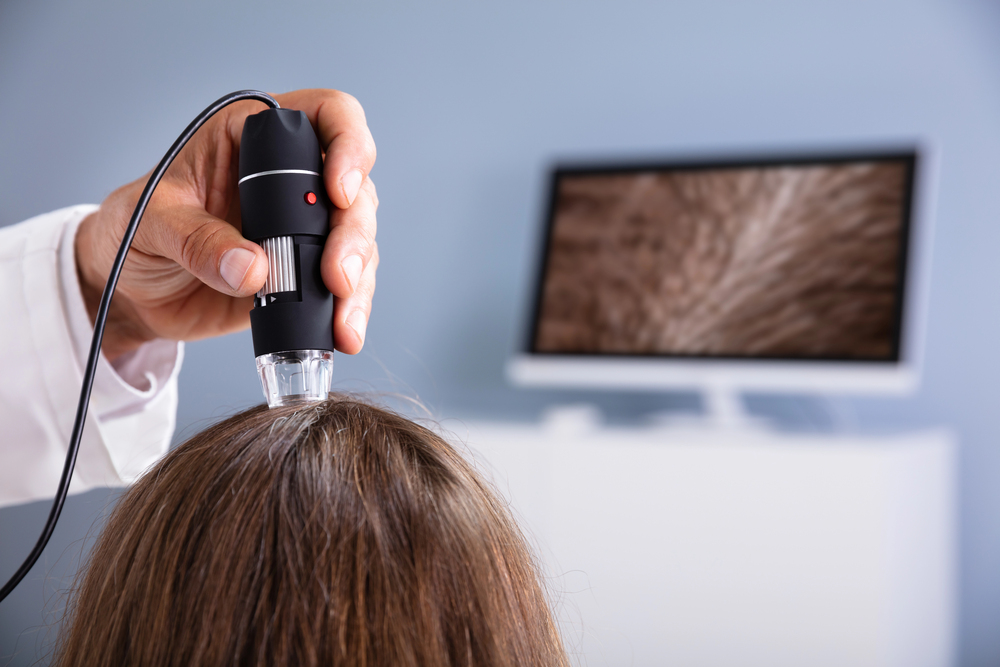
Knowing when to step in early can prevent long-term irritation and protect hair quality.
Persistent or painful bumps
If bumps do not improve after a few weeks, it is time to reassess.
Warning signs include:
- Ongoing pain or tenderness
- Recurring breakouts in the same area
- Lack of improvement despite proper care
This may indicate scalp folliculitis or another condition that needs targeted treatment.
Simple routines will not be enough in these cases.
Hair loss linked to inflammation
This is an important signal. Inflammation around hair follicles can affect hair growth over time. In some cases, repeated irritation may weaken follicles and lead to temporary shedding.
Watch for:
- Thinning in areas with frequent bumps
- Increased shedding around inflamed spots
- Reduced hair density in affected zones
According to dermatology insights from the Mayo Clinic, chronic inflammation can impact follicle health if not managed properly.
Early treatment helps protect both scalp and hair.
Signs of folliculitis or infection
Some symptoms suggest a deeper issue.
Seek medical advice if you notice:
- Clusters of similar-looking bumps
- Pus-filled lesions that keep returning
- Spreading redness or swelling
- Crusting or discharge
These signs often point to bacterial or fungal involvement.
They require a more targeted approach, sometimes including prescription treatments.
Dr. Ahmet Murat explains: “When scalp issues become repetitive or start affecting hair density, we move beyond basic care. Identifying the exact cause allows us to treat it effectively without damaging the scalp environment.”
Acting early keeps the condition manageable.
Waiting too long can make treatment more complex.
Do scalp pimples cause hair loss?
This is a common concern, especially for patients already dealing with thinning. The answer depends on severity, duration, and how the scalp is managed.
In most cases, pimples on scalp do not cause permanent hair loss. Mild inflammation affects the surface and resolves without damaging the follicle.
The risk appears when inflammation becomes chronic.
Temporary vs permanent impact on hair
Mild breakouts usually lead to temporary changes.
You may notice:
- Slight shedding in irritated areas
- Reduced hair strength during inflammation
- Slower growth in affected zones
Once the scalp recovers, hair typically regrows.
Permanent damage is less common. It is usually linked to untreated or severe conditions.
When inflammation becomes a problem
Repeated or intense inflammation can affect follicles more deeply.
This may happen with:
- Persistent scalp folliculitis
- Untreated infections
- Continuous irritation from products or scratching
Over time, this can weaken the follicle environment.
According to dermatology references from the Mayo Clinic, prolonged inflammation can disrupt normal hair growth cycles and, in some cases, lead to scarring conditions.
Scarring is the key risk. That is what can affect permanence.
How to protect your hair follicles
Prevention is straightforward when addressed early.
Focus on:
- Treating inflammation quickly
- Avoiding aggressive scratching
- Keeping the scalp clean but not over-irritated
- Identifying triggers such as products or sweat
Consistency matters more than intensity.
Dr. Ahmet Murat says: “Hair loss from scalp issues is usually preventable. The earlier we control inflammation, the better we protect follicle health. Waiting too long increases the risk of long-term damage.”
The takeaway is simple.
Occasional bumps are not dangerous. Ignored, chronic inflammation can become a problem.
Myths about scalp acne that lead to worse results
Scalp issues are often misunderstood. Many habits that seem helpful can actually make scalp acne worse.
Clearing these myths helps you avoid unnecessary irritation and faster recurrence.
“It’s always caused by poor hygiene”
This is not accurate.
Many people with clean routines still develop pimples on scalp. Oil production, product use, and scalp sensitivity play a bigger role than simple hygiene.
Over-washing can even irritate the scalp and disrupt its balance.
Clean does not always mean healthy.
“Oils are always bad for the scalp”
Oils are not the problem by themselves.
The issue is how they are used. Heavy oils applied directly to the scalp can block follicles and trap debris. Lightweight oils used correctly can support scalp condition.
Balance matters more than avoiding oils completely.
“Scrubbing harder will clear the scalp”
This is one of the most damaging habits.
Aggressive scrubbing:
- Irritates the scalp
- Increases inflammation
- Can worsen breakouts
Gentle cleansing works better.
The scalp needs care, not force.
“All bumps are acne”
This leads to wrong treatment choices.
Many scalp bumps causes include:
- Folliculitis
- Product irritation
- Allergic reactions
Treating all of them as acne delays improvement.
Correct identification is the first step.
“Changing products frequently helps”
Switching too often creates instability.
Using multiple shampoos or treatments at once:
- Irritates the scalp
- Makes it harder to identify triggers
- Slows down recovery
A simple, consistent routine is more effective.
Dr. Ahmet Murat explains: “We often see patients trying many products in a short time. This confuses the scalp and prolongs the issue. A focused plan always works better.”
FAQs about scalp pimples and maintaining clear scalp skin
Why do I keep getting pimples on my scalp even with good hygiene?
Even with good hygiene, pimples on scalp can still appear due to excess oil production, sweat, and product buildup. The scalp can trap residue more easily than other skin areas, which leads to clogged follicles. In many cases, the issue is not cleanliness but imbalance in scalp conditions or the type of products used.
What is the difference between scalp acne and folliculitis?
Scalp acne is caused by clogged pores and excess oil, while folliculitis is inflammation of the hair follicles, often linked to bacteria or yeast. Acne may form whiteheads or deeper bumps, whereas folliculitis usually appears as small, itchy, uniform red spots that can feel more irritated.
How can I get rid of scalp acne quickly?
To manage scalp acne, start with a consistent cleansing routine and use shampoos with targeted ingredients such as salicylic acid or ketoconazole. Avoid heavy styling products and make sure to wash the scalp after sweating. Results improve faster when the underlying cause is correctly identified.
Can hair products cause scalp pimples?
Yes, hair products are a common trigger. Heavy oils, conditioners applied to the roots, and styling products can block hair follicles and lead to inflammation. Reducing buildup and choosing lighter formulations often helps clear the scalp.
Does sweating lead to scalp pimples?
Sweating itself is not harmful, but when it mixes with oil and product residue, it can clog follicles and create an environment for irritation. Regular cleansing after sweating helps prevent this buildup and keeps the scalp balanced.
What is the best shampoo for treating scalp acne?
The best shampoo for scalp acne treatment depends on the cause, but products containing salicylic acid, tea tree oil, or ketoconazole are commonly effective. These ingredients help reduce buildup, control inflammation, and support a healthier scalp environment.
Can scalp pimples cause hair loss?
Mild scalp pimples usually do not cause permanent hair loss. However, long-term inflammation or untreated folliculitis can weaken hair follicles and affect growth over time. Early treatment helps protect both scalp and hair health.
How can I maintain clear and healthy scalp skin long-term?
Maintaining a healthy scalp involves consistent cleansing, avoiding heavy or pore-clogging products, and keeping good hygiene habits such as cleaning pillowcases and hats regularly. According to the American Academy of Dermatology, a balanced scalp environment reduces the risk of recurring breakouts.
Take control of your scalp health
Healthy hair starts with a balanced scalp. Treating scalp acne, irritation, or follicle issues correctly makes a visible difference in both comfort and appearance.

If you are dealing with:
- Persistent bumps
- Recurring irritation
- Scalp discomfort that does not improve
A personalized evaluation can help you identify the exact cause and choose the right solution.
Dr. Ahmet Murat says: “Every scalp behaves differently. When we understand the trigger, we can guide patients with simple and effective solutions that protect both skin and hair.”
Get a professional scalp analysis with Hermest Hair Transplant Clinic and build a treatment plan that works for your specific condition.