

Natural Remedies for Hair Loss | Home & Herbal Treatments
Hair loss can feel overwhelming, but it’s not always necessary to jump straight into medical treatments. Many people are increasingly looking for natural remedies for hair loss as a first step, either to slow down shedding or to support overall scalp health. The appeal is simple: these methods are accessible, cost-effective, and often come with fewer risks compared to medical procedures.
Searches for home remedies for hair loss and natural hair growth home remedy solutions have grown significantly in recent years. From applying oils to practicing scalp massage, people want approaches that fit easily into their daily lives. And while not every method is scientifically proven to regrow hair completely, many can help improve scalp circulation, strengthen existing strands, and prevent hair loss naturally.
Some of the most popular approaches include:
- DIY hair loss treatments such as onion juice, aloe vera, or egg masks
- Essential oils for hair growth, like rosemary, peppermint, and lavender
- Scalp massage for hair loss, which increases blood flow to hair follicles
- Herbal remedies for hair loss, such as saw palmetto, ginseng, and green tea
- Nutrition for hair loss, focusing on vitamins, minerals, and a balanced diet
Dr. Ahmet Murat explains:
“Natural treatments can play a supportive role in keeping the scalp healthy and hair follicles active. We always remind patients that consistency matters. Oils, massages, and nutritional improvements work best when done regularly and combined with a healthy lifestyle.”
By the end of this article, you’ll learn how to regrow hair naturally using practical, evidence-based strategies. We’ll cover topical oils, scalp techniques, dietary support, and herbal solutions — all broken down into clear steps. You’ll also find out when natural treatments might be enough, and when it’s time to consider professional help.
Key Insights
- Natural remedies for hair loss include scalp massage, essential oils, herbal supplements, and balanced nutrition.
- Home remedies for hair loss may strengthen existing hair but cannot fully restore inactive follicles.
- Essential oils for hair growth like rosemary, peppermint, and lavender show promising results in boosting circulation.
- Scalp massage improves blood flow and may slow hair thinning when done consistently.
- Herbal remedies such as saw palmetto and ginseng may help balance hormones linked to shedding.
- Nutrition for hair loss should focus on protein, iron, zinc, and vitamins A, D, and biotin.
- DIY hair loss treatments can support scalp health but work best when paired with professional solutions.
- Natural oils for hair growth help maintain moisture and reduce breakage in thinning hair.
- Preventing hair loss naturally requires consistency — lifestyle, stress management, and healthy routines matter.
- Best results often come from combining natural remedies with medical treatments like FUE or DHI transplants.
How Natural Remedies Work: Science Behind Hair Regrowth
When exploring natural remedies for hair loss, it helps to understand why they may be effective. Hair grows in cycles — growth (anagen), rest (telogen), and shedding (exogen). Disruption in these cycles, often caused by stress, poor nutrition, or hormonal imbalance, leads to hair thinning. Natural methods aim to restore balance and support the scalp environment so follicles can function properly.

Key Mechanisms of Natural Treatments
- Improved scalp circulation: Practices like scalp massage for hair loss stimulate blood flow, bringing oxygen and nutrients to the follicles. This can extend the growth phase.
- Nutrient delivery: Oils and herbal applications provide vitamins, fatty acids, and antioxidants directly to the scalp. For example, essential oils for hair growth like rosemary may block DHT (a hormone linked to shedding).
- Reduced inflammation: Many herbal remedies for hair loss, such as green tea and aloe vera, contain compounds that calm the scalp and lower oxidative stress, which can damage follicles.
- Hormonal support: Certain natural agents, such as saw palmetto, are believed to help balance hormones and slow hair miniaturization.
- Strengthening strands: Protein-rich DIY masks (egg, yogurt) can temporarily fortify hair shafts, reducing breakage.
What Science Says
Research into natural treatments for thinning hair is growing. For example:
- Rosemary oil has shown results comparable to minoxidil in some studies for androgenic alopecia.
- Pumpkin seed oil supplementation demonstrated measurable improvements in hair counts in clinical trials.
- Nutritional balance, especially with biotin, iron, vitamin D, and zinc, is repeatedly linked to healthier hair growth.
Dr. Ahmet Murat highlights:
“We often see patients expecting overnight results with natural methods. The truth is, these remedies need at least 3–6 months of consistent use before visible changes appear. Patience is essential, as follicles respond gradually.”
By combining topical remedies with good nutrition and scalp care, patients can often slow shedding and improve density. The next sections will look in detail at oils, herbs, food, and lifestyle approaches that can make a real difference.
Statistics & Trends on Natural Remedies for Hair Loss
- 42% of people experiencing hair thinning first try natural remedies like oils or scalp massage before seeking medical help (Healthline, 2023).
- Rosemary oil has shown similar effectiveness to 2% minoxidil in improving hair density after 6 months of use (Journal of Phytotherapy Research, 2015).
- Scalp massage for just 4 minutes daily over 24 weeks led to noticeable improvement in hair thickness for participants (EBioMedicine, 2016).
- Biotin supplement sales increased by 35% from 2020–2023, reflecting growing demand for natural hair health solutions (MarketWatch, 2023).
- Essential oils like peppermint and lavender are used by over 50% of people under 40 who prefer plant-based alternatives for hair loss (Mintel Consumer Report, 2022).
- 70% of women in perimenopause report trying at least one natural or herbal remedy for hair thinning (North American Menopause Society, 2022).
- Saw palmetto extract improved hair count in 60% of men with mild-to-moderate hair loss in clinical trials (Journal of Alternative & Complementary Medicine, 2012).
- The global natural haircare market is projected to reach $7.5 billion by 2025, with hair loss solutions as one of the fastest-growing segments (Grand View Research, 2023).
- Stress-related shedding (telogen effluvium) affects up to 30% of adults, and natural stress-management techniques like yoga and scalp massage are increasingly prescribed (American Academy of Dermatology, 2021).
- Vitamin D deficiency is linked to hair thinning in up to 80% of alopecia patients, making supplementation a common natural approach (National Institutes of Health, 2022).
Popular Natural Oils for Hair Growth

Among the most well-known natural remedies for hair loss are plant-based oils. These oils have been used for centuries in traditional medicine and are still popular today because they provide nutrients, hydration, and protective compounds that support scalp health and follicle strength.
Best Oils for Regrowth
- Rosemary oil – One of the most researched essential oils for hair growth. Studies suggest it may stimulate circulation and help block DHT, a hormone responsible for follicle shrinkage.
- Peppermint oil – Known to increase blood flow and provide a cooling effect. When diluted properly, it can encourage follicles to stay in the growth phase longer.
- Coconut oil – Rich in fatty acids that penetrate the hair shaft, reducing protein loss and preventing breakage.
- Castor oil – Popular in DIY hair loss treatments for its high ricinoleic acid content, which may improve scalp health and density.
- Pumpkin seed oil – Backed by research for its ability to slow shedding and promote thickness, especially in men with pattern baldness.
- Argan oil – Packed with antioxidants and vitamin E, helping protect against environmental stress that contributes to thinning.
How to Use Oils Correctly
- Always dilute essential oils like rosemary or peppermint with a carrier oil (coconut, jojoba, or olive oil).
- Apply 2–3 times per week, massaging gently into the scalp for at least 5–10 minutes to boost circulation.
- Leave overnight if possible, then wash with a mild shampoo.
Dr. Ahmet Murat notes:
“Patients often overuse oils thinking more is better. In reality, a few drops are enough. Consistency and proper application matter much more than quantity.”
These natural oils for hair growth are most effective when combined with other lifestyle strategies, such as nutrition and stress reduction, which we’ll cover in upcoming sections.
Herbal and Home Remedies for Hair Loss
Beyond oils, many people turn to herbal remedies for hair loss and easy home remedies for hair loss that can be made from kitchen ingredients. While scientific support varies, some show promising results for improving scalp condition and reducing shedding.
Herbal Remedies That May Help
- Aloe vera – Soothes scalp irritation, balances oil, and creates a healthy environment for follicles.
- Green tea extract – Rich in antioxidants and thought to block DHT, a hormone linked to thinning.
- Ginseng – Often used in natural treatments for thinning hair to stimulate follicles and prolong the growth phase.
- Saw palmetto – Herbal supplement sometimes used as a natural DHT blocker, especially in male pattern baldness.
Home-Based DIY Treatments
- Onion juice – Contains sulfur, which supports collagen production and may improve regrowth when applied to the scalp.
- Fenugreek seeds – Soaked and blended into a paste, they are rich in proteins and nicotinic acid, both linked to stronger hair.
- Apple cider vinegar rinse – Helps balance scalp pH, reduce buildup, and improve circulation.
- Egg masks – Packed with protein and biotin, they strengthen fragile strands and reduce breakage.
Practical Tips for Success
- Apply masks or rinses 1–2 times a week for best results.
- Patch test before applying any new herbal or DIY treatment to check for sensitivities.
- Combine multiple mild remedies rather than relying on one “miracle cure.”
Dr. Ahmet Murat explains:
“Herbal solutions can be supportive, but they should never replace medical evaluation when hair loss is progressing. At Hermest, we guide patients on how to combine natural methods with proven medical options.”
These remedies work best as part of a holistic approach—supporting scalp health, reducing inflammation, and complementing nutrition.
Nutrition and Supplements for Hair Health
Diet plays a central role in maintaining strong, thick hair. Many cases of thinning hair or excessive shedding are linked to nutritional imbalances. Supporting the body with the right foods and supplements can be just as important as using natural remedies for hair loss on the scalp.
Key Nutrients for Hair Growth
- Protein – Hair is primarily keratin, so low protein intake often leads to weak strands and breakage.
- Iron – Deficiency can cause diffuse hair shedding, particularly in women.
- Zinc – Helps with tissue repair and follicle function.
- Biotin (Vitamin B7) – A popular supplement for improving thickness and resilience.
- Vitamin D – Low levels are linked to hair thinning and delayed regrowth.
- Omega-3 fatty acids – Reduce scalp inflammation and support healthy follicles.
Foods That Naturally Support Hair
- Lean meats, eggs, beans, and lentils for protein
- Spinach, pumpkin seeds, and red meat for iron
- Nuts, seeds, and oysters for zinc
- Salmon, mackerel, and walnuts for omega-3s
- Dairy, fortified foods, or sunlight exposure for vitamin D
Supplement Use
When deficiencies exist, supplements can fill the gap. However, over-supplementation may cause side effects, so professional guidance is recommended.
Dr. Ahmet Murat highlights:
“Before starting supplements, we test patients for vitamin and mineral deficiencies. Treating the root cause of perimenopausal hair loss, stress shedding, or genetic thinning often requires combining nutrition with medical treatment.”
By optimizing diet and supplementing wisely, many patients see reduced shedding and improved thickness, making nutrition a cornerstone of natural treatments for thinning hair.
Scalp Massage and Circulation Techniques
One of the simplest and most effective natural remedies for hair loss is improving blood flow to the scalp. Healthy circulation ensures that hair follicles receive oxygen and nutrients essential for growth. Regular scalp massage for hair loss can make a visible difference when combined with oils or herbal remedies.
Benefits of Scalp Massage
- Increases blood circulation to the follicles
- Reduces stress hormones linked to hair shedding
- Improves absorption of oils and topical treatments
- Relaxes scalp muscles, reducing tension-related thinning
How to Perform a Scalp Massage
- Use fingertips, not nails, to apply gentle circular pressure across the scalp
- Focus on thinning areas like the crown or hairline
- Apply warm natural oils for hair growth (such as coconut, rosemary, or castor oil) for extra nourishment
- Massage for 5–10 minutes daily or at least 3–4 times per week
Scientific Backing
Studies have shown that regular scalp massage can increase hair thickness by stretching dermal papilla cells, which play a role in follicle growth.
Dr. Ahmet Murat emphasizes:
“Patients who incorporate scalp massage into their routine often notice healthier-looking hair within months. At Hermest, we recommend combining it with natural oils to maximize follicle stimulation.”
By adopting this simple practice, patients can support natural treatments for thinning hair without relying solely on medications.
DIY Hair Treatments and Scalp Care at Home
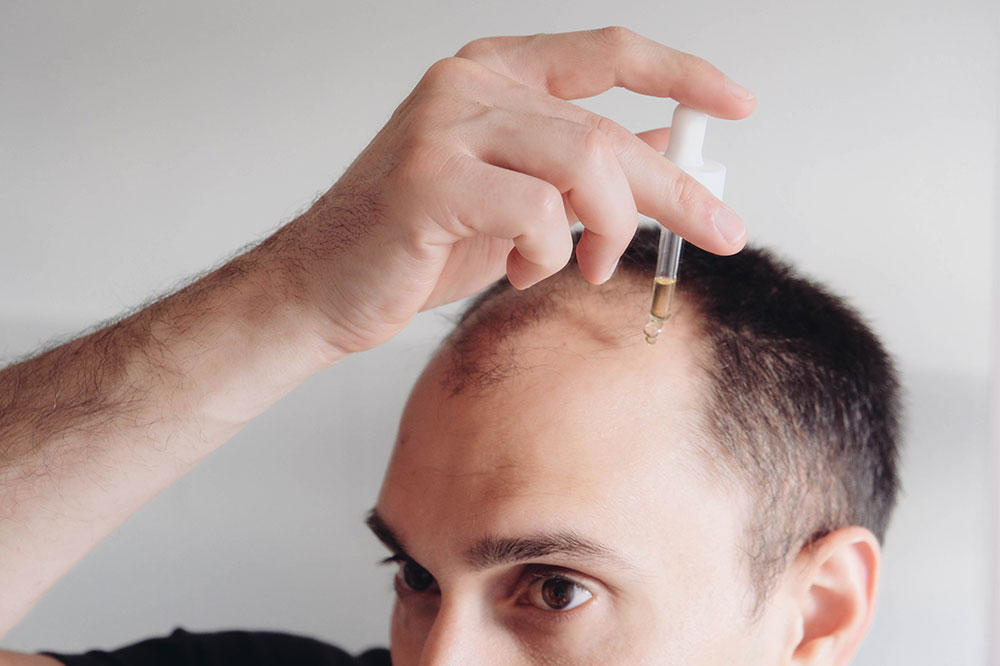
At-home care can make a real difference in strengthening follicles and supporting regrowth. Simple, consistent practices often outperform expensive products when it comes to natural remedies for hair loss.
Scalp Massage for Hair Loss
- Massaging the scalp for 5–10 minutes daily improves blood circulation.
- Increased blood flow delivers oxygen and nutrients to the follicles.
- Use fingertips or a soft scalp massager tool.
Natural Oils for Hair Growth
- Coconut oil – Moisturizes and protects protein structure.
- Castor oil – Rich in ricinoleic acid, known for stimulating follicle activity.
- Rosemary oil – Research shows it can promote regrowth similar to minoxidil.
- Jojoba oil – Balances scalp sebum production, reducing dandruff-related shedding.
DIY Masks and Rinses
- Onion juice – Contains sulfur, which helps collagen production. Apply twice a week for noticeable thickening.
- Aloe vera gel – Calms scalp inflammation and adds hydration.
- Green tea rinse – Antioxidants may slow follicle shrinkage.
- Egg mask – High in protein, reinforces strand strength.
Tips for Effective At-Home Treatments
- Apply oils or masks on a clean scalp for better absorption.
- Don’t overuse heavy oils — clogged follicles may worsen shedding.
- Consistency is very important; visible changes take 2–3 months.
Dr. Ahmet Murat comments:
“Patients often ask if DIY remedies truly work. Our answer is yes — when done regularly and combined with proper nutrition, home treatments like scalp massage and natural oils can improve hair density and scalp health over time.”
These simple DIY hair loss treatments are low-cost, safe, and effective when combined with professional guidance and lifestyle changes.
When to Seek Professional Help
While natural remedies for hair loss can help reduce shedding and improve scalp health, there are situations where professional evaluation is necessary. Hair loss can sometimes be a symptom of an underlying medical condition or reach a stage where home care alone won’t be enough.
Signs You Should See a Doctor
- Rapid hair loss that worsens in just a few months
- Patchy bald spots or uneven shedding patterns
- Scalp irritation, redness, or persistent itching
- Shedding with scabs or crusting, which could signal infection
- Family history of baldness, increasing likelihood of genetic hair loss
Role of Medical Treatments
At Hermest Hair Clinic, patients often combine nutritional adjustments and scalp care with advanced techniques such as FUE or DHI transplants. These methods address areas where follicles are no longer active — something natural remedies cannot restore.
Dr. Ahmet Murat’s Guidance:
“I encourage patients to use safe natural approaches for general scalp care. But when hair loss progresses beyond a certain point, clinical treatments are necessary. The good news is that combining both approaches gives the best outcome: healthier hair and long-lasting density.”
Natural remedies can slow shedding and support growth, but professional diagnosis ensures the right treatment plan. Whether it’s hormonal imbalance, nutritional deficiency, or genetic pattern baldness, expert care prevents wasting time on ineffective methods.
FAQs on Natural Remedies for Hair Loss
What are the best natural remedies for hair loss?
The best natural remedies for hair loss include essential oils like rosemary and peppermint, scalp massage to stimulate blood flow, biotin-rich foods, and herbal extracts such as saw palmetto. These methods can support healthier hair growth when practiced consistently.
Can I regrow hair naturally at home?
Yes, some people experience improvement with natural hair growth home remedies such as aloe vera, onion juice, or coconut oil. While these may not regrow hair in cases of severe baldness, they can strengthen existing hair and reduce shedding.
How effective are essential oils for hair growth?
Studies show that essential oils for hair growth, especially rosemary oil, can be as effective as 2% minoxidil when used regularly. Peppermint oil also helps stimulate scalp circulation, which may encourage regrowth.
Does scalp massage help with hair loss?
Yes. Scalp massage for hair loss improves blood circulation and stretches follicle cells, which can stimulate hair growth. Just 4 minutes a day for several months has shown measurable improvement in hair thickness.
What nutrition helps prevent hair loss naturally?
Nutrition for hair loss should focus on vitamins and minerals like biotin, vitamin D, iron, zinc, and omega-3 fatty acids. A balanced diet with leafy greens, nuts, fish, and whole grains can reduce shedding and support stronger strands.
Are herbal remedies for hair loss safe?
Most herbal remedies for hair loss are safe when used correctly. Popular options like saw palmetto, green tea extract, and ginseng may help reduce hormone-related thinning. However, results vary, and consulting a doctor is recommended for ongoing shedding.
How long do natural treatments for thinning hair take to work?
Most natural treatments for thinning hair need at least 3–6 months of consistent use before visible improvement. Hair growth is a slow process, so patience and routine are key to success.
Can stress-related hair loss be treated naturally?
Yes. Stress can trigger temporary shedding, and natural remedies like scalp massage, yoga, and herbal teas may help. Reducing stress also supports hormonal balance, which is vital for preventing hair loss naturally.
What is the best natural oil for hair growth?
The best natural oils for hair growth include rosemary, castor, argan, and coconut oil. These oils nourish the scalp, reduce breakage, and create a healthy environment for follicles.
When should I see a doctor about hair loss?
If natural methods don’t reduce shedding after several months, or if you notice sudden bald patches, it’s important to consult a specialist. This helps determine whether medical treatments should complement natural remedies for hair loss.
Conclusion
Natural remedies for hair loss can play a valuable role in protecting hair health and slowing down shedding. From scalp massage and essential oils to herbal supplements and nutrient-rich diets, these methods offer gentle support for stronger, thicker hair. However, it’s important to recognize their limits — once follicles are inactive, natural treatments alone cannot bring them back.

At Hermest Hair Clinic, we see the best results when patients combine natural approaches with professional solutions like FUE and DHI transplants. This integrated care ensures both immediate regrowth and long-term scalp health.
Dr. Ahmet Murat explains:
“Patients often ask how to regrow hair naturally. My advice is to focus on both prevention and correction. Natural methods help keep existing hair strong, while advanced transplant techniques restore density in thinning areas. Together, they create lasting results.”
If you are experiencing persistent hair loss and wondering whether natural remedies are enough, it may be time to consult an expert. Hermest Hair Clinic offers personalized evaluations and proven treatment plans that combine science with supportive natural care.
Contact Hermest Hair Clinic today to learn how we can design the right plan for your hair — naturally and professionally.