

Does Hard Water Cause Hair Loss? Causes, Signs & Treatment
Many people notice changes in their hair after moving to a new city or house. The hair feels rough, harder to manage, and sometimes appears thinner. This leads to a common question: does hard water cause hair loss?
Hard water refers to water containing high levels of minerals such as calcium and magnesium. These minerals are naturally present in groundwater and can accumulate as water travels through soil and rock. When this mineral-rich water reaches the shower, it can leave deposits on hair and scalp.
People often notice symptoms like dryness, dullness, and increased breakage. These effects raise concerns about hard water hair damage and whether it can lead to hair thinning.
Scientific evidence suggests that hard water does not directly cause hair loss from the follicle. Dermatology research indicates that the minerals in hard water primarily affect the hair shaft, not the follicle responsible for hair growth. According to dermatology resources such as Healthline and PubMed studies, mineral buildup can make hair brittle and prone to breakage, which may give the appearance of hair loss.
In simple terms, hair may break more easily, making the hair look thinner even though the follicles are still producing hair.
Dr. Ahmet Murat explains:
“Patients often believe hard water is causing hair loss. In many cases the problem is hair breakage from mineral buildup rather than true follicle hair loss.”
Another common concern is scalp health. Some people also ask whether hard water causes dandruff or irritation. Minerals can leave residue on the scalp, which may contribute to dryness and flaking in some individuals.
What hard water means, how minerals affect hair structure, and how to manage hard water hair damage helps people protect their hair effectively.
This guide explains:
- whether hard water causes hair loss
- what minerals do to hair fibers
- signs of hard water on hair
- effective hard water hair treatment options
Learning the difference between hair breakage and true hair loss is the first step toward solving the problem.
Quick Insights
- Hard water does not directly cause hair loss from the follicle.
- Minerals such as calcium and magnesium can accumulate on the hair shaft.
- This buildup may lead to hard water hair damage like dryness and brittleness.
- Hair strands may break more easily, creating the appearance of thinning.
- Common signs of hard water on hair include dullness, frizz, and rough texture.
- Hard water may also contribute to scalp dryness or dandruff-like flaking.
- Installing a shower filter may help reduce mineral exposure.
- Clarifying shampoos can remove mineral residue from the hair surface.
- Moisturizing conditioners help protect hair from breakage.
- Most cases of true hair loss are caused by genetics, hormones, or health conditions, not water hardness.
Does hard water cause hair loss?
No, hard water does not directly cause hair loss from the scalp. Hair follicles responsible for hair growth are located beneath the skin and are generally not affected by minerals in shower water.
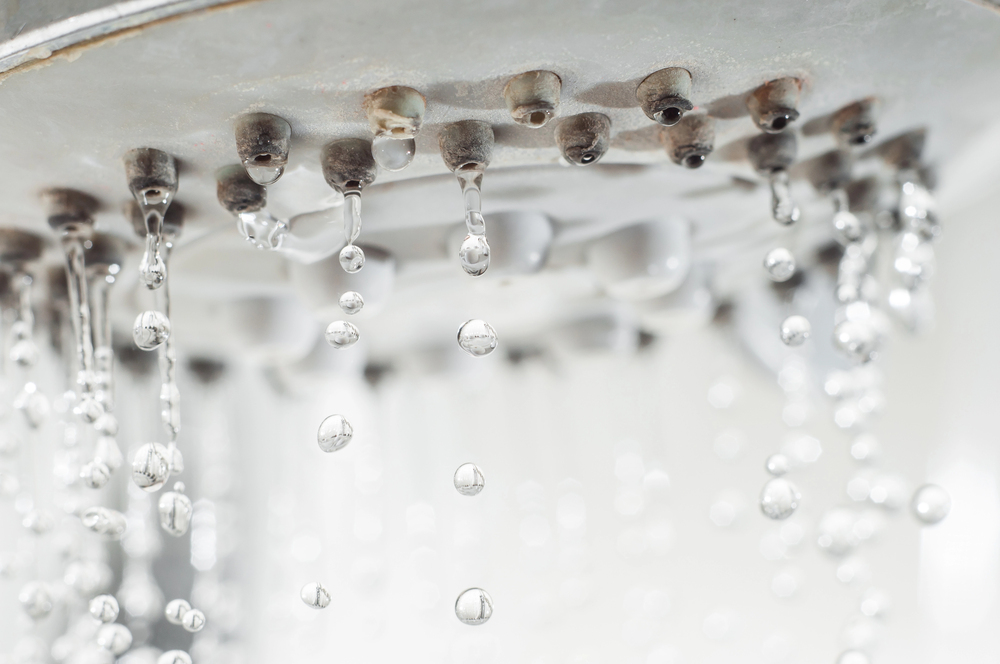
However, hard water hair damage can make hair appear thinner. Minerals such as calcium and magnesium attach to the hair surface, creating buildup that affects hair texture and strength.
Research published in dermatology literature shows that mineral deposits may accumulate on the hair shaft. This buildup can make hair feel rough, dull, and harder to manage.
Hair breakage vs true hair loss
It is important to distinguish between hair breakage and hair loss.
True hair loss occurs when hair follicles stop producing hair. Conditions such as genetic hair loss or hormonal changes affect follicle activity.
Hard water affects the hair strand itself.
Mineral buildup can lead to:
- brittle hair fibers
- reduced moisture absorption
- increased tangling
- higher risk of breakage
When hair strands break before reaching full length, it may appear as thinning hair.
Dr. Ahmet Murat says:
“Hair breakage can mimic hair loss. When strands break repeatedly, hair density appears lower even though follicles remain healthy.”
Why many people confuse the two
Many people experiencing hard water hair damage notice more hair strands in their brush or shower drain. This creates the impression that hair is falling out from the root.
In reality, these strands often break along the shaft rather than shedding from the follicle.
If you understand this difference, it will help you address the real issue. Instead of focusing only on hair growth treatments, the goal becomes removing mineral buildup and protecting hair structure.
This is why effective hard water hair treatment focuses on cleansing residue and restoring moisture.
What is hard water?
Hard water refers to water that contains high levels of dissolved minerals, mainly calcium and magnesium. These minerals enter groundwater naturally as water moves through soil and rock formations. The result is water that carries mineral particles into homes through plumbing systems.
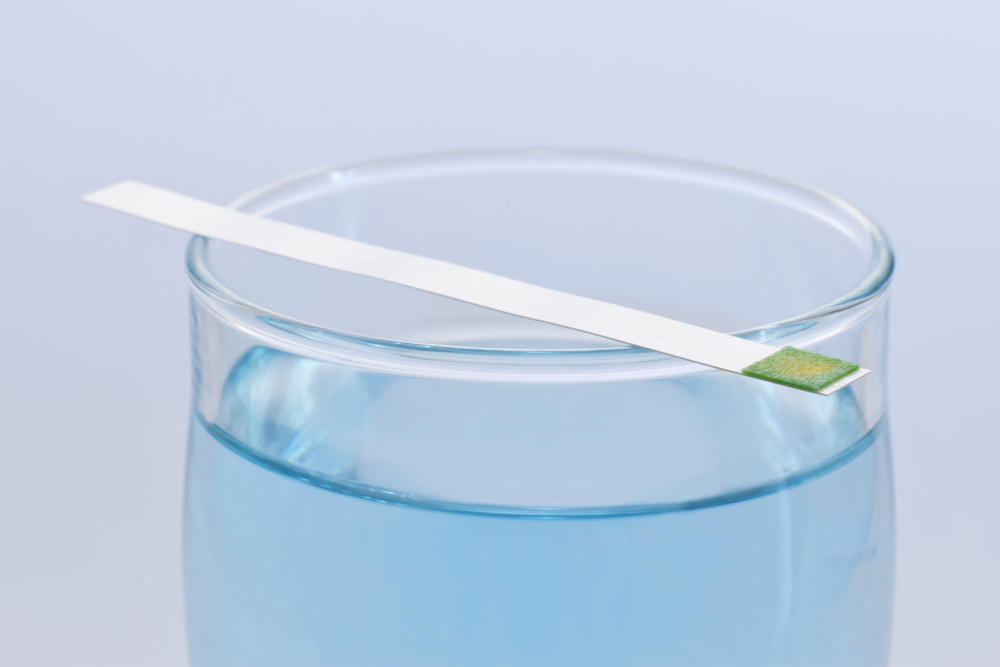
Many regions around the world have naturally hard water. In fact, studies referenced by U.S. Geological Survey (USGS) show that a large percentage of groundwater sources contain moderate to high mineral concentrations.
This explains why people moving to a new city often notice sudden changes in their hair or skin.
The term what does hard water mean simply describes water that has a higher mineral content than normal.
These minerals are harmless to drink. Their main effect appears when water interacts with hair, skin, and household surfaces.
Minerals commonly found in hard water
Hard water typically contains several dissolved minerals.
The most common include:
- Calcium
- Magnesium
- Small amounts of iron
- Trace minerals such as manganese
These minerals remain invisible in water. They become noticeable after repeated washing when residue begins to build up.
Over time, this buildup may coat hair strands.
Why hard water affects hair and scalp
Hair strands have a protective outer layer called the cuticle. When hair is repeatedly exposed to mineral-rich water, minerals can attach to the cuticle surface.
According to dermatology research discussed in the International Journal of Trichology, mineral deposits may alter the surface of the hair shaft and affect how hair interacts with moisture and shampoo.
This can lead to symptoms associated with hard water hair damage.
Some common changes include:
- rough hair texture
- dull appearance
- reduced lather when shampooing
- increased tangling
These changes do not mean hair follicles are damaged. Instead, the hair shaft becomes coated with mineral residue.
Dr. Ahmet Murat explains:
“Mineral buildup from hard water mainly affects the hair surface. The follicle responsible for hair growth usually remains unaffected.”
How hard water affects your hair
Hard water does not usually damage the hair follicle. The main impact appears on the hair shaft, the visible part of the hair strand. Over time, repeated washing in mineral-rich water may lead to hard water hair damage, which changes how hair feels and behaves.

Understanding what does hard water do to your hair helps explain why many people notice dryness, tangling, and breakage after moving to areas with high mineral levels in the water supply.
Dermatology research referenced in the International Journal of Trichology suggests that minerals such as calcium and magnesium can attach to the outer layer of the hair shaft. This buildup may alter the hair surface and make it harder for moisture and conditioning ingredients to penetrate.
Mineral buildup on the hair shaft
The outer layer of hair, known as the cuticle, protects the internal hair structure. Hard water minerals can gradually coat this cuticle layer.
This buildup may lead to several noticeable changes:
- hair feels rough or stiff
- shampoo produces less lather
- conditioner becomes less effective
- hair becomes harder to detangle
These changes often appear slowly over time.
Dr. Ahmet Murat explains:
“Mineral residue accumulates gradually on the hair surface. Patients often describe their hair as dull, dry, or heavy.”
Dryness and brittleness
One common symptom of hard water hair damage is dryness. Mineral deposits create a barrier that can prevent moisture from entering the hair strand.
As hydration decreases, hair becomes more fragile. Dry hair strands are less flexible and more likely to snap during brushing or styling.
Breakage and thinning appearance
Breakage is one of the reasons people believe hard water causes hair loss.
When fragile hair strands break along the shaft, hair density may appear lower. This may give the impression of thinning hair even though follicles are still producing new hair.
Recognizing these effects helps people identify the signs of hard water on hair and take steps to restore hair strength.
Can hard water damage hair follicles?
Most dermatology evidence suggests that hard water does not directly damage hair follicles. Hair follicles sit beneath the skin and are protected from most external factors during washing. The minerals present in hard water primarily interact with the hair shaft and scalp surface, not the follicle where hair growth begins.

This distinction matters when discussing does hard water cause hair loss. True hair loss occurs when the follicle stops producing hair. Hard water typically affects hair texture, breakage risk, and scalp comfort rather than the biological growth process.
Studies discussed in dermatology resources such as PubMed and the International Journal of Trichology indicate that mineral-rich water may leave deposits on hair strands and scalp. These deposits can change how the hair surface behaves, but they rarely interfere with the follicle’s ability to produce hair.
Scalp buildup and irritation
Even though follicles are usually unaffected, the scalp may still react to mineral residue. Repeated exposure to hard water can allow minerals and soap residue to accumulate on the scalp surface.
This buildup may contribute to:
- scalp dryness
- itching or irritation
- flaking that resembles dandruff
- reduced effectiveness of hair products
These symptoms sometimes lead people to ask does hard water cause dandruff.
In some cases, mineral deposits can worsen scalp dryness or make existing dandruff conditions more noticeable.
Dr. Ahmet Murat explains:
“Hard water minerals may irritate the scalp surface, especially when buildup accumulates over time. This can create discomfort but rarely affects the hair follicle itself.”
Indirect effects on hair health
Scalp irritation may influence how people care for their hair. Frequent scratching, aggressive brushing, or over-washing can increase hair breakage.
This is why some individuals feel they are experiencing hair loss caused by hard water, even though the underlying issue is usually breakage combined with scalp dryness.
Recognizing this difference helps guide effective hard water hair treatment strategies that focus on removing buildup and restoring scalp balance.
Signs your hair is affected by hard water
Recognizing the signs of hard water on hair helps identify whether mineral buildup may be affecting hair health. Many people notice gradual changes rather than sudden damage. Hair begins to feel different after repeated exposure to mineral-rich water.
When people ask what does hard water do to your hair, they often describe symptoms related to dryness, dullness, and increased breakage. These changes develop slowly as minerals accumulate on the hair surface.
Dermatology resources note that minerals such as calcium and magnesium can leave a thin film on the hair shaft. According to research discussed in the International Journal of Trichology, this buildup may alter the hair surface and reduce its ability to absorb moisture.
Dry hair and frizz
One of the earliest symptoms of hard water hair damage is dryness. Mineral residue may interfere with the natural moisture balance of hair.
Common signs include:
- hair feeling rough or stiff
- increased frizz after washing
- difficulty smoothing hair during styling
Hair that lacks moisture becomes less flexible. This makes strands more prone to snapping.
Dull hair texture
Mineral buildup may reduce the natural shine of hair. Healthy hair reflects light because the cuticle lies flat along the strand.
When minerals coat the cuticle surface, hair may appear:
- dull
- cloudy
- lifeless
Many people notice this change after moving to regions with harder water.
Dr. Ahmet Murat explains:
“Patients often describe hair losing its shine. Mineral residue on the hair surface can disrupt the smooth cuticle layer.”
Difficulty lathering shampoo
Another common symptom involves shampoo performance. Hard water minerals can react with cleansing agents in shampoo.
This reaction may cause:
- reduced foam or lather
- residue remaining on hair
- hair feeling heavy after washing
These symptoms are strong indicators that hard water hair damage may be affecting hair care routines.
How to prevent hard water hair damage
When people discover that hard water hair damage may be affecting their hair, the next question is how to fix it. The goal of hard water hair treatment is simple: remove mineral buildup and protect the hair shaft from future deposits.
Minerals such as calcium and magnesium can gradually accumulate on the hair surface. Reducing this buildup helps restore softness, shine, and flexibility.
Dermatology guidance from sources such as Healthline and the American Academy of Dermatology notes that clarifying treatments and mineral filtration can help improve hair texture in hard water environments.
Shower filters and water softening
One of the most common solutions is installing a shower filter designed to reduce mineral content in water. These filters can decrease the amount of calcium, magnesium, and other particles reaching the hair.
Filtered water may help:
- reduce mineral buildup on hair
- improve shampoo performance
- make hair feel softer after washing
In areas with very hard water, whole-house water softeners may also be used to remove minerals from the water supply.
Dr. Ahmet Murat explains:
“Patients who live in areas with very hard water often notice improvement after installing a simple shower filter.”
Clarifying shampoos
Regular shampoos are designed for everyday cleansing. They may not always remove mineral deposits effectively.
Clarifying shampoos are formulated to remove product buildup and mineral residue from hair. Using them occasionally can help eliminate the film left by hard water.
Dermatologists often recommend using clarifying shampoos once every one to two weeks, depending on hair type.
Natural rinses to remove buildup
Some people use mild acidic rinses to dissolve mineral residue.
Common options include:
- diluted apple cider vinegar rinses
- citric acid hair treatments
These rinses may help restore the hair cuticle surface by removing mineral deposits.
Protecting hair from breakage
Even with hard water exposure, protecting the hair shaft helps reduce damage.
Helpful habits include:
- using moisturizing conditioners
- minimizing heat styling
- brushing hair gently when dry
These strategies support hair strength and reduce the risk of breakage associated with hard water hair damage.
Other common causes of hair loss
When people notice increased shedding, they often blame environmental factors like water quality. However, most cases of true hair loss have different underlying causes. Understanding these causes helps clarify why does hard water cause hair loss is often misunderstood.
Hair loss occurs when hair follicles stop producing new strands or when the hair growth cycle becomes disrupted. According to dermatology organizations such as the American Academy of Dermatology (AAD), the most common causes involve genetics, hormones, or health-related factors rather than water minerals.
Recognizing these conditions helps determine whether hair thinning is related to hard water hair damage or a medical hair loss condition.
Genetic hair loss

The most common form of hair loss worldwide is androgenetic alopecia, often called male or female pattern hair loss.
This condition occurs when hair follicles become sensitive to hormones known as androgens. Over time, follicles shrink and produce thinner hair strands.
Common signs include:
- gradual thinning on the crown
- receding hairline in men
- widening hair part in women
Genetic hair loss develops slowly and is unrelated to water quality.
Hormonal changes

Hormonal shifts can also affect hair growth cycles. Situations that may trigger shedding include:
- pregnancy and postpartum changes
- menopause
- thyroid disorders
- polycystic ovary syndrome (PCOS)
These hormonal changes can cause telogen effluvium, a condition where more hair follicles enter the resting phase and shed several months later.
Dr. Ahmet Murat explains:
“Many patients suspect environmental causes, but the most common reason for hair thinning is genetic or hormonal factors affecting follicle activity.”
Stress and illness
Physical or emotional stress can also disrupt hair growth cycles. Illness, surgery, or nutritional deficiencies may trigger temporary hair shedding.
In these cases, hair follicles remain alive and usually recover once the underlying issue resolves.
Frequently Asked Questions about Hard Water and Hair Loss
Does hair loss from hard water grow back?
Hair affected by hard water hair damage usually grows normally from the follicle. Once mineral buildup is removed and hair care improves, hair may appear healthier and thicker again.
How do I protect my hair from hard water?
People living in areas with mineral-rich water often protect their hair by installing a shower filter, using clarifying shampoos, and applying moisturizing conditioners regularly.
What are signs of hard water hair damage?
Common signs of hard water on hair include dryness, dull appearance, frizz, tangling, and reduced shampoo lather. Hair may also feel rough or heavy.
How to stop hairfall in hard water?
Reducing mineral buildup is the main goal. Many people use clarifying shampoos, apple cider vinegar rinses, or water filters as part of their hard water hair treatment routine.
What are the potential effects of using hard water on hair loss?
Hard water does not usually cause true hair loss. However, mineral buildup may lead to hair breakage, making hair appear thinner.
What shampoo is best for hard water?
Shampoos designed for mineral buildup removal, often called clarifying shampoos, can help cleanse hair exposed to hard water. They remove residue left by calcium and magnesium.
Concerned about hair thinning or scalp health?
Many people who suspect hard water hair loss are actually experiencing hair breakage or underlying hair conditions. Identifying the real cause of hair thinning is important for choosing the right treatment.

At Hermest Hair Transplant Clinic, Dr. Ahmet Murat and his medical team evaluate hair density, scalp health, and follicle activity to determine the true reason behind hair thinning.
Dr. Ahmet Murat says:
“Environmental factors like hard water can affect hair texture, but real hair loss usually involves follicle health. Proper diagnosis helps guide the right treatment.”
If you are experiencing persistent hair thinning, excessive shedding, or scalp issues, professional evaluation can help determine the best solution.
Schedule a consultation with Hermest Hair Transplant Clinic to receive personalized guidance and advanced hair restoration treatments.