
Hair Transplant Mexico vs Turkey: Prices, Results & Risks
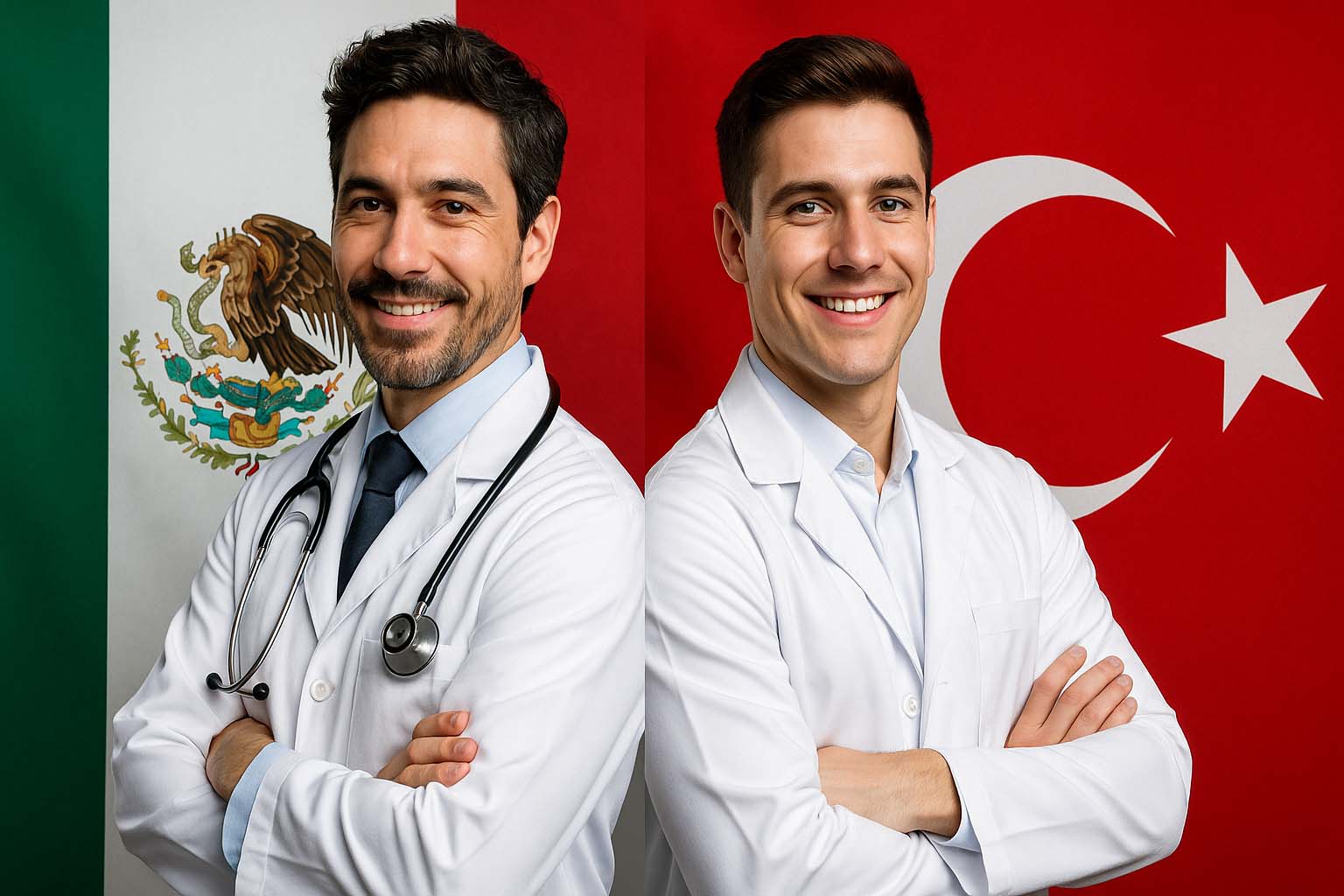
Considering a hair transplant Mexico vs Turkey? You are not alone. These two countries are currently the top global destinations for patients seeking affordable, high-quality hair restoration.
However, choosing between them is not just about proximity or price. It is about understanding the critical differences in cost per graft, safety standards, medical infrastructure, and long-term results.
This guide breaks down the facts, comparing the real costs and risks so you can make the most informed decision for your hairline.
Hair Transplant Cost Mexico vs Turkey: What’s the Real Price Difference?
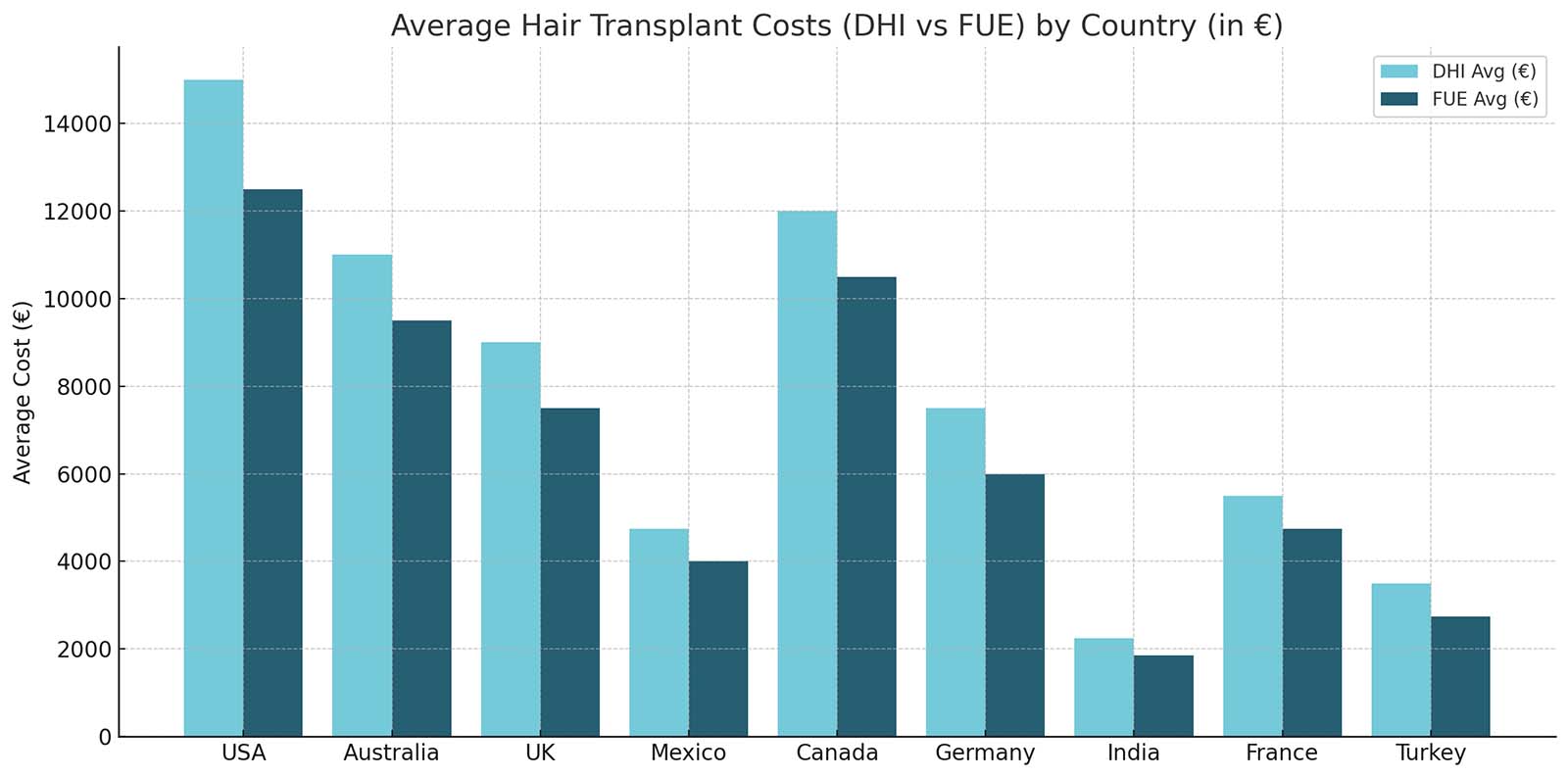
Price is often the primary deciding factor. While both countries are cheaper than the US or UK, the difference between them is substantial.
The “Cost Per Graft” Reality In Mexico, the average cost for a hair transplant is roughly double that of Turkey for the same number of grafts.
- Mexico: Prices typically range from $3,000 to $6,000. Most quotes in Mexico cover the surgery alone.
- Turkey: Prices typically range from $1,800 to $4,500. Crucially, this price usually covers a premium “All-Inclusive Package“.Why is Turkey cheaper? The lower cost in Turkey is not due to lower quality. It is driven by lower labor and operational costs, government support for medical tourism, and the high volume of procedures performed annually.
| Procedure Type | Mexico (Avg.) | Turkey (Avg.) | Difference |
|---|---|---|---|
| FUE Transplant (2,000+ Grafts) | $3,000 – $5,500 | $1,800 – $3,500 | Turkey is ~40% cheaper |
| DHI Transplant (Direct Implantation) | $4,000 – $6,000 | $2,000 – $4,500 | Premium tech accessible |
| Inclusions | Surgery Only (No hotel) | All-Inclusive: Hotel, VIP Transfer, Meds | Best Value |
2. Safety & Medical Standards: Is It Safe?
Safety is the number one concern for international patients. This involves two factors: Medical Safety and Destination Safety.
Mexico: Proximity vs. Variability
- Medical Quality: Mexico has excellent premium clinics, but the market also has inconsistent outcome reporting. There is a risk of clinics relying heavily on technician-led procedures rather than surgeon-led ones.
- Destination Safety: While major medical hubs can be safe, patients must be cautious about travel logistics and accommodation in certain border regions.
Turkey: The “Medical Tourism Capital”
Medical Quality: Turkey performs over 60,000 hair transplants annually. This high volume means surgeons have frequent hands-on experience, enhancing precision and consistency. Reputable clinics often feature EU-accredited surgeons.
Destination Safety: Turkey offers a robust infrastructure tailored to international patients. The experience is designed as a “safe bubble”: you are picked up from the airport by VIP transport, taken to a 4-5 star hotel, and shuttled to the clinic. You are guided by translators and support staff throughout your entire stay.
3. Results & Expertise: FUE and DHI
 Both countries offer modern FUE (Follicular Unit Extraction) and DHI (Direct Hair Implantation) techniques. However, the specialization level differs.
Clinical Expertise
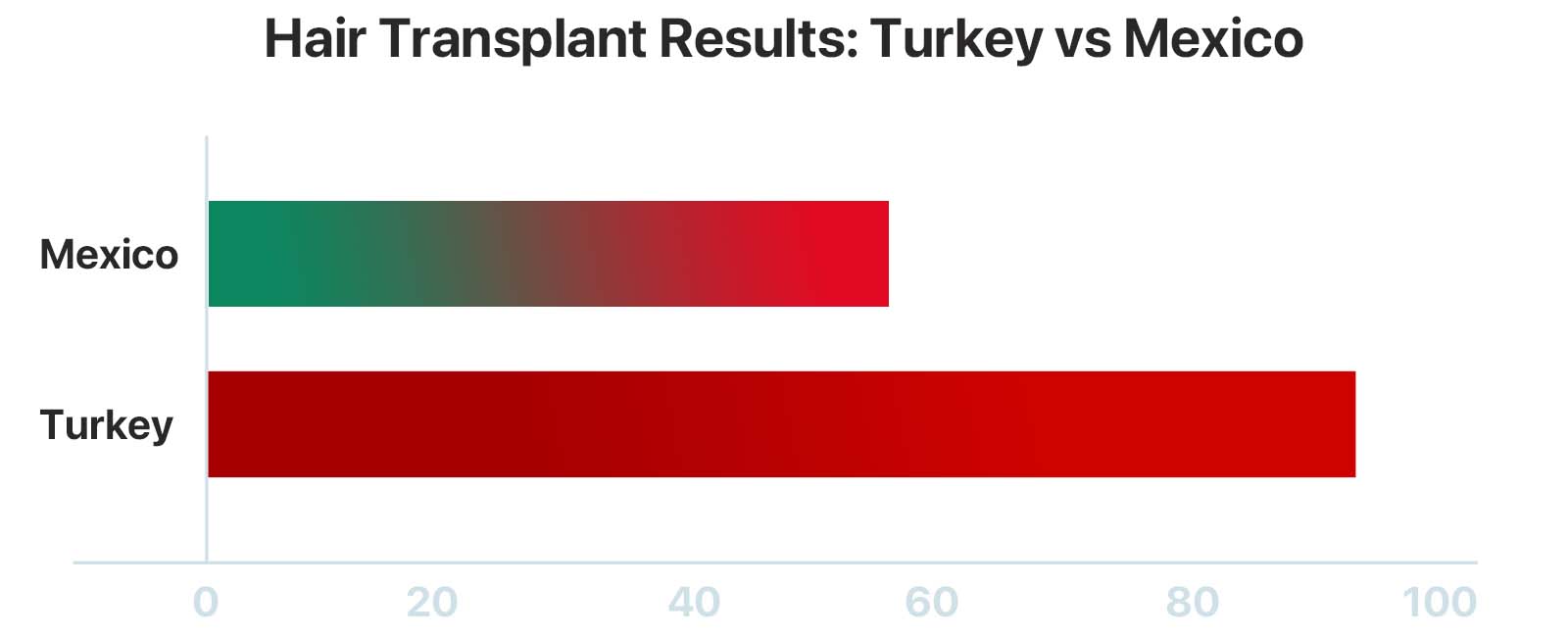
Turkey: Due to the massive number of international patients from Europe, the Middle East, and the Americas, Turkish surgeons are experts in diverse hair types—from fine straight hair to difficult curly or Afro-textured hair. The high procedure volume allows for greater refinement in hairline design and density.
Mexico: Clinics often market heavily to U.S. patients seeking proximity. While good results are achievable at premium clinics , finding consistent, verifiable galleries can sometimes be harder compared to the transparency seen in Turkey.
Key Takeaway: If you are looking for transparent, globally recognized before/after results and high-density work, Turkey’s clinics typically stand out.
4. The Recovery Experience
 The post-operative period is crucial for the survival of your grafts.
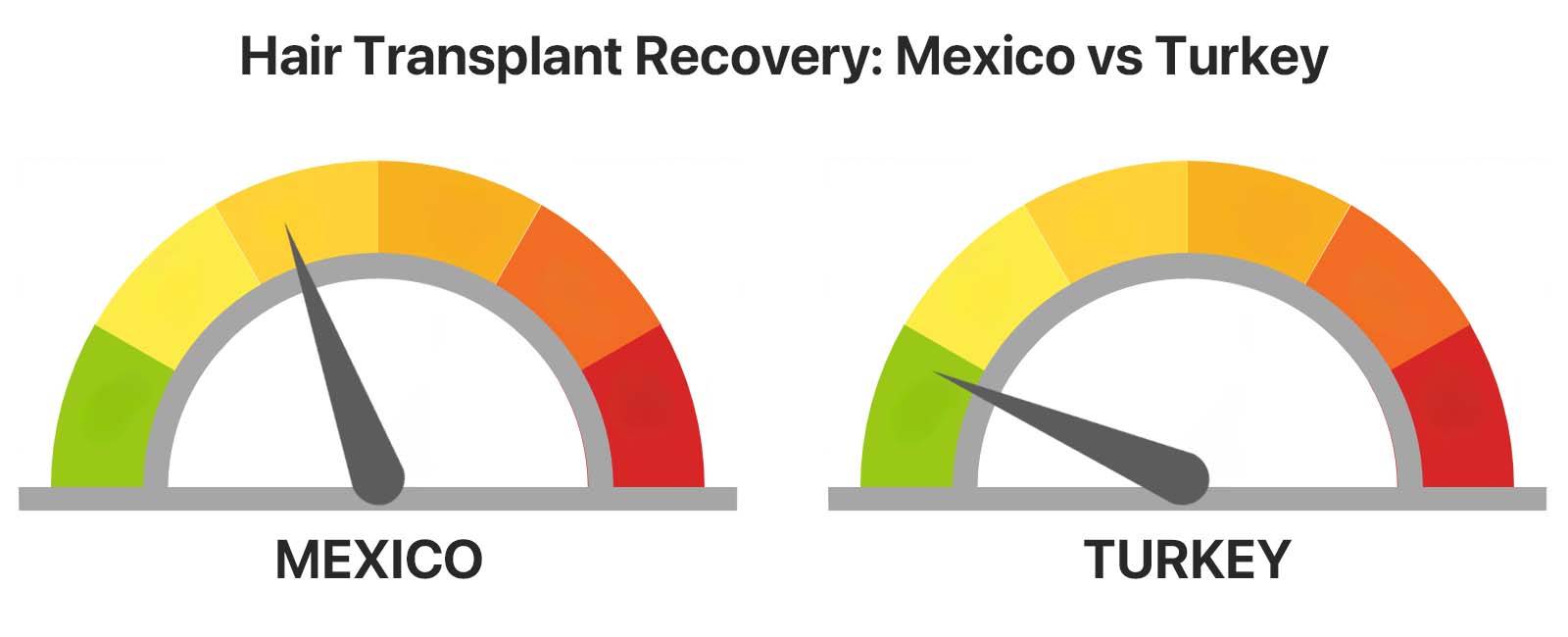
Recovery in Mexico: Patients often handle their own logistics. While in-person follow-ups are possible for those living near the border , aftercare products and guidance may be limited unless specifically requested.
Recovery in Turkey: The process is comprehensive. You receive full aftercare kits (shampoos, lotions, meds). Most importantly, clinics provide detailed post-op plans and digital follow-up systems to monitor your growth months after you return home.
5. FAQs: Common Questions
Why are hair transplants cheaper in Turkey than in Mexico?
Hair transplants are more affordable in Turkey due to lower local labor costs, strong government incentives for medical tourism, and high competition which drives prices down while keeping quality high.
Is it safe to get a hair transplant in Mexico?
Yes, if you choose a qualified, regulated clinic. However, risks rise significantly if you choose a clinic based solely on the lowest price, as some budget clinics may use unqualified technicians.
What is the “Turkish Hair Transplant in Mexico”?
Some clinics in Mexico use this as a marketing term to imply they use Turkish-trained doctors or methods. However, for the authentic experience and expertise, it is best to go to the source in Turkey.
How long do results take to appear?
Visible results typically begin around 3–4 months after the procedure. Full growth and density are usually achieved between 9–12 months.
Conclusion: Which Should You Choose?
Both Mexico and Turkey offer viable options for hair restoration.
Choose Mexico If: You are based in the U.S., prefer a shorter flight, and want the convenience of being closer to home.
Choose Turkey If: You want the best value for money, access to world-renowned surgeons, and a stress-free all-inclusive experience (Hotel + Transfer + Surgery).
Turkey remains the most cost-efficient option for international patients looking for complete service and consistent, high-density results.
Want to compare quotes or talk to top clinics in Turkey or Mexico? Start by booking free consultations, checking verified patient results, and comparing package inclusions. A smart decision today can restore your hair—and your confidence—without breaking the bank.