

Hair Loss Treatment: Understanding and Stopping Hair Fall Naturally
 ChatGPT
 Claude
 Perplexity
 Grok
Grok
 Gemini

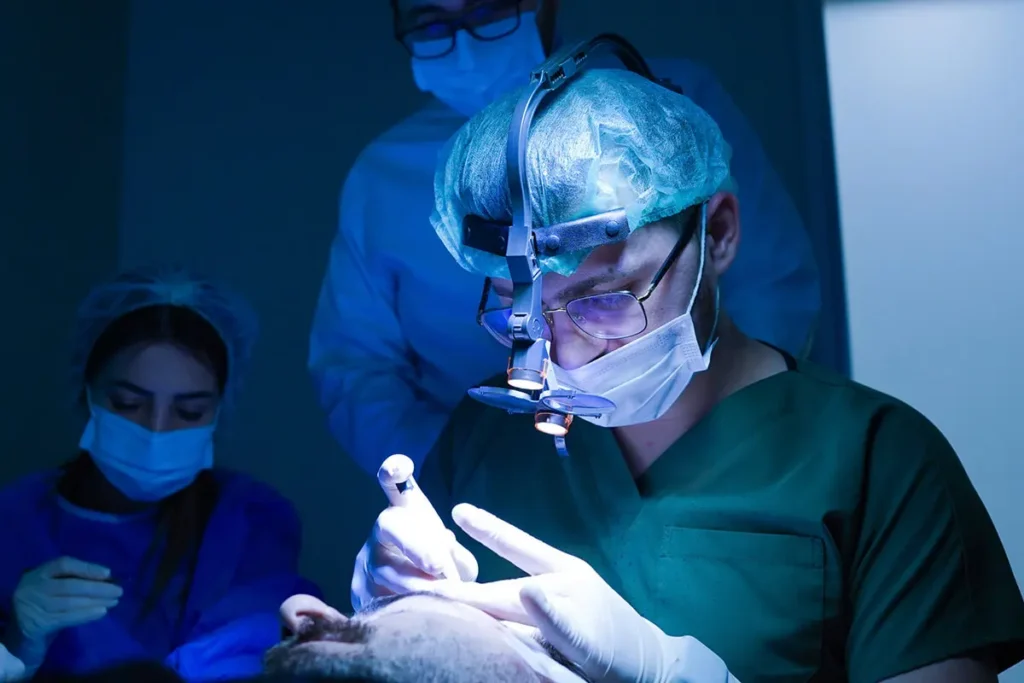
Hair loss treatment is one of the most searched health topics worldwide because thinning hair affects both confidence and daily life. Whether you are trying to stop hair fall naturally, exploring natural hair loss remedies, or seeking advanced hair loss solutions, understanding the root causes is the first step.
Hair shedding may happen gradually or suddenly and can result from genetics, hormonal changes, stress, nutritional deficiencies, or scalp conditions. Many men and women also experience temporary issues such as telogen effluvium after illness or stress, while others face progressive forms like male pattern baldness or female pattern hair loss.
For those worried about hair thinning solutions, the key is to identify the hair loss causes early. Factors like hormonal imbalance hair loss, thyroid disorders and hair loss, and nutritional deficiencies hair loss (low iron, zinc, or vitamin D) can all be addressed with targeted interventions.
Some people can treat hair loss naturally with lifestyle changes, balanced diets such as the Mediterranean diet for hair health, or specific home methods like scalp massage for hair growth and rosemary oil hair growth. Others may require medical treatments or even advanced procedures like PRP therapy for hair loss, microneedling for hair regrowth, or hair transplant for permanent hair loss.
Dr. Ahmet Murat of Hermest Hair Transplant Clinic says:
“We meet patients every day who feel frustrated and anxious about their hair loss. Our approach is to understand the unique cause—whether hormonal, genetic, or lifestyle-related—and provide a scientifically proven plan that can include natural methods, medical therapy, or surgical solutions when necessary.”
This article guides you through proven hair regrowth treatments and explains when to consider professional help. You’ll learn how to combine natural care and medical expertise to regain stronger, healthier hair. By the end, you’ll know the steps to protect your hair and the options available at Hermest to restore it effectively.
About Hair Loss
Hair grows in a natural cycle of anagen (growth), catagen (transition), and telogen (resting) phases. Normally, losing 50–100 hairs daily is expected. Trouble begins when more hairs leave the growth phase than enter it, or when follicles shrink and stop producing new strands. Knowing how this cycle works is key to choosing the right hair loss treatment and learning how to stop hair fall naturally.
Common Types of Hair Loss
- Male pattern baldness (androgenetic alopecia) – A hereditary condition driven by dihydrotestosterone (DHT) that causes receding hairlines and thinning on the crown.
- Female pattern hair loss – Often linked to hormonal changes such as menopause or polycystic ovary syndrome (PCOS), resulting in overall thinning on the top of the scalp.
- Telogen effluvium – Sudden shedding after significant stress, illness, childbirth, or drastic weight loss.
- Alopecia areata – An autoimmune condition where the immune system attacks hair follicles, creating round bald patches.
- Traction alopecia – Caused by tight hairstyles that pull on the hair for long periods.
Each type responds differently to natural hair loss remedies or medical therapies. For example, hair shedding after stress might improve with stress management and nutrition, whereas genetic hair loss may require medications, PRP therapy for hair loss, or even a hair transplant for permanent hair loss.
Factors That Accelerate Loss

Beyond genetics, issues like hormonal imbalance hair loss, thyroid disorders and hair loss, and nutritional deficiencies hair loss (iron, zinc, vitamin D, biotin) weaken follicles. Lifestyle habits—such as frequent use of heat styling tools, chemical treatments, smoking, and inadequate sleep—can further slow growth and increase breakage.
Dr. Ahmet Murat comments:
“We always begin with a thorough scalp and blood analysis, checking ferritin, TSH, and other hormone levels. At Hermest, we know that every hair loss case is unique, and understanding the exact trigger helps us design a precise plan, whether it’s dietary correction, topical therapy, or surgical restoration.”
By identifying your specific hair loss causes, you can decide whether to treat hair loss naturally at home, use medical solutions like minoxidil or finasteride, or explore advanced options like microneedling for hair regrowth and low-level laser therapy (LLLT) hair. Early recognition of the type and cause saves time and helps maintain more natural density.
Main Causes and Risk Factors
Understanding the root hair loss causes is important for choosing the right hair loss treatment and creating a plan to stop hair fall naturally. While genetics play a strong role in conditions such as male pattern baldness and female pattern hair loss, many other triggers can accelerate or worsen shedding. Identifying and addressing these factors early can make a significant difference in long-term hair fall control.
Genetic and Hormonal Influences
- Androgenetic alopecia (genetic hair loss): Inherited sensitivity to dihydrotestosterone (DHT) shrinks hair follicles, leading to progressive thinning.
- Hormonal imbalance hair loss: Changes in estrogen, progesterone, or testosterone levels can disrupt the growth cycle, particularly during pregnancy, postpartum, or menopause.
- Thyroid disorders and hair loss: Both hypothyroidism and hyperthyroidism can weaken follicles and cause diffuse thinning.
Nutritional Deficiencies
- Iron deficiency hair loss and low ferritin reduce oxygen supply to hair roots.
- Vitamin D and hair loss, zinc deficiency hair loss, and lack of biotin for hair growth affect keratin production and scalp health.
- A poor diet lacking protein or healthy fats limits the raw materials required for hair regrowth treatment.
Dr. Ahmet Murat highlights:
“At Hermest Hair Transplant Clinic, we often run comprehensive blood tests to measure iron stores, vitamin D, and hormone levels. Correcting these deficiencies is sometimes all it takes to reverse excessive shedding and treat hair loss naturally.”
Lifestyle and External Stressors
- Stress related hair loss and hair shedding after stress disrupt the growth cycle.
- Smoking, alcohol, chronic sleep deprivation, and sudden weight changes reduce blood flow and weaken follicles.
- Aggressive styling, frequent coloring, and tight hairstyles lead to traction alopecia, while excessive heat or harsh shampoos compromise scalp health.
Environmental and Medical Conditions
- Scalp infections, autoimmune diseases like alopecia areata, and medications (certain blood pressure or chemotherapy drugs) can trigger persistent loss.
- Environmental pollution and hard water may also irritate the scalp and increase breakage.
Natural and Home-Based Treatments

Many people look for natural hair loss remedies and ways to stop hair fall naturally before turning to medications or surgery. When used consistently and combined with healthy habits, these approaches can improve scalp health, stimulate follicles, and slow hair thinning. For some, they may even provide measurable hair regrowth treatment benefits.
Nutrition and Targeted Supplements
A balanced diet is fundamental.
- Protein-rich foods such as fish, eggs, and legumes support keratin production, the key structural protein in hair.
- Best vitamins for hair loss and regrowth include biotin, vitamin D, iron, zinc, and MSM.
- A Mediterranean diet for hair health, rich in olive oil, vegetables, and omega-3 fatty acids, provides antioxidants that protect follicles.
Correcting nutritional deficiencies hair loss—like iron deficiency hair loss or zinc deficiency hair loss—can dramatically reduce shedding.
Dr. Ahmet Murat explains:
“We often see patients regain hair density simply by correcting vitamin and mineral deficiencies. At Hermest, we review diet, run ferritin and TSH tests, and tailor supplementation to each person’s needs.”
Herbal Oils and Plant-Based Solutions
- Rosemary oil hair growth and peppermint oil have shown promising results in stimulating circulation.
- Saw palmetto hair loss supplements may help block DHT, the hormone linked to male pattern baldness.
- Aloe vera and green tea extracts soothe the scalp and reduce inflammation.
Scalp Care and Massage
- Gentle scalp massage for hair growth boosts blood flow and helps deliver nutrients to follicles.
- Choose mild, sulfate-free shampoos to avoid irritation.
- Avoid tight hairstyles, chemical treatments, and excessive heat to protect hair shafts.
Lifestyle Adjustments
- Manage stress related hair loss with regular exercise, meditation, or yoga.
- Prioritize 7–8 hours of sleep to maintain healthy hormone levels.
- Quit smoking and limit alcohol, both of which reduce scalp circulation.
While these methods can treat hair loss naturally at home, results take patience and consistency—often three to six months. If shedding continues or worsens, combining natural care with professional therapies such as PRP therapy for hair loss or microneedling for hair regrowth at Hermest ensures more comprehensive and lasting improvement.
Medical Treatments

When natural hair loss remedies and lifestyle changes are not enough, evidence-based medical treatments can help stabilize shedding and stimulate regrowth. These therapies are often the next step before considering surgical options and can be combined with home care for better results.
FDA-Approved Medications
- Minoxidil: A topical solution or foam applied to the scalp. It extends the growth phase of the hair cycle and is suitable for both men and women. Visible results usually appear after 3–6 months of consistent use.
- Finasteride: An oral prescription for men that lowers dihydrotestosterone (DHT), the hormone linked to male pattern baldness. It can slow or stop hair thinning and encourage regrowth.
- Other options such as spironolactone or dutasteride are sometimes prescribed for female pattern hair loss or cases resistant to first-line medications.
Dr. Ahmet Murat notes:
“We monitor patients closely when prescribing medications like finasteride or minoxidil. At Hermest Hair Transplant Clinic, we ensure safe dosing and combine these therapies with nutrition and scalp care so that our patients get consistent, measurable improvement.”
Addressing Underlying Conditions
Correcting health issues often reverses loss naturally:
- Thyroid disorders and hair loss can improve once hormone levels are balanced.
- Treating iron deficiency hair loss, vitamin D insufficiency, or zinc deficiency hair loss supports stronger follicles.
- Managing stress, improving sleep, and treating scalp infections or autoimmune problems such as alopecia areata protect the growth cycle.
Supporting Therapies
Dermatologists may recommend corticosteroid injections for alopecia areata or light therapy for certain inflammatory scalp conditions. Prescription-strength topical treatments combining minoxidil with retinoids or other agents can target stubborn areas.
These hair loss solutions work best with early intervention and medical supervision. They can be combined with natural approaches such as scalp massage for hair growth, rosemary oil hair growth, or a Mediterranean diet for hair health, creating a comprehensive plan to stop hair fall naturally.
If hair continues to thin despite these steps, advanced clinical procedures like PRP therapy for hair loss, microneedling for hair regrowth, or a hair transplant for permanent hair loss can provide lasting results.
Advanced Clinical Procedures
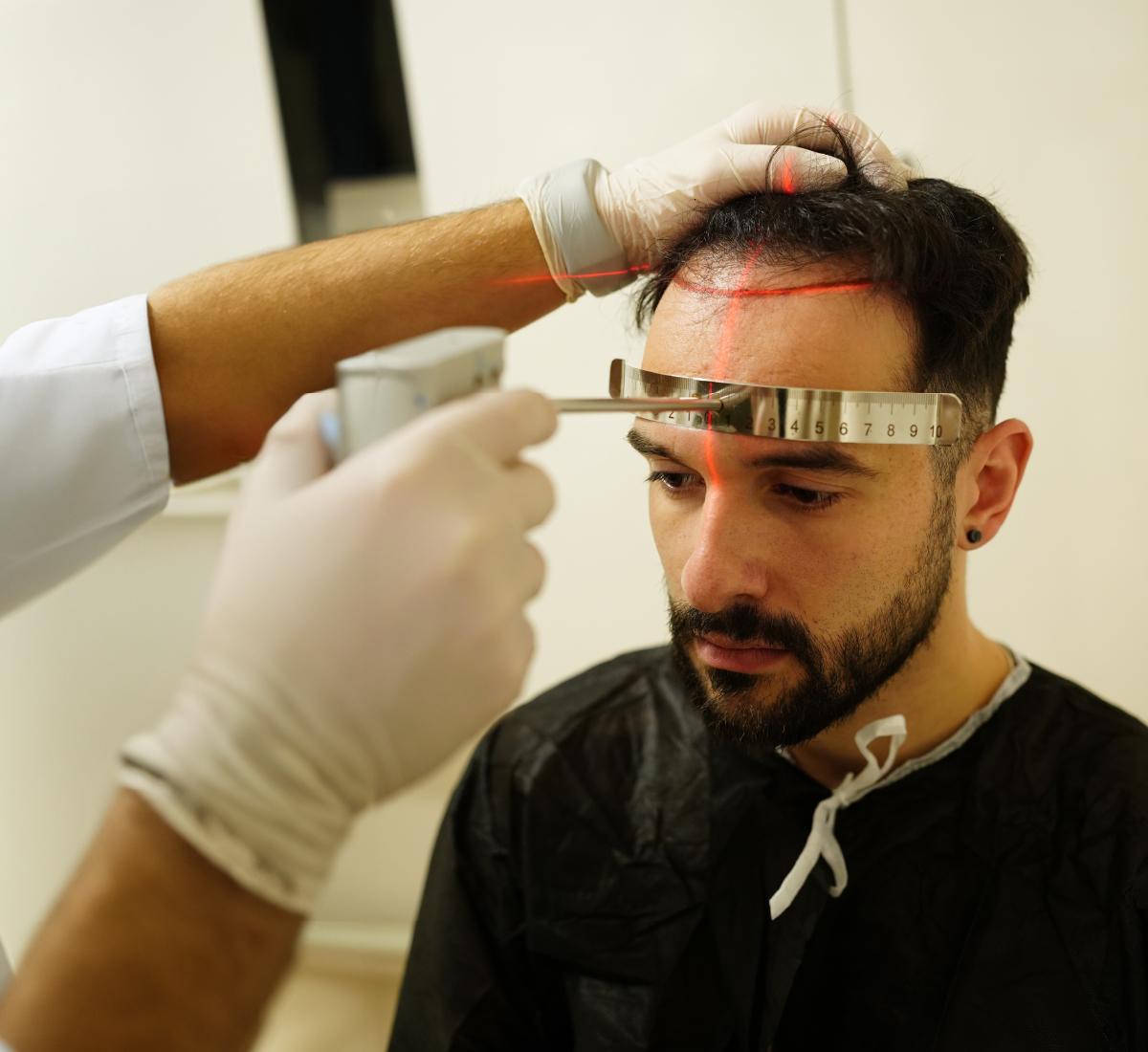
For those whose shedding continues despite natural care and prescription medications, advanced clinical therapies offer next-level hair loss treatment and long-term hair loss solutions. At Hermest Hair Transplant Clinic, these scientifically proven procedures are tailored to each patient’s needs to stop hair fall naturally and promote robust regrowth.
Platelet-Rich Plasma (PRP) Therapy
PRP therapy uses a small sample of the patient’s own blood. After processing to concentrate growth factors, the plasma is injected into thinning areas.
- Stimulates dormant follicles and speeds regrowth
- Typically performed in sessions spaced about a month apart
- Minimal downtime and low risk
Dr. Ahmet Murat explains:
“PRP is an excellent first-line clinical option. By using the patient’s own platelets, we improve scalp health and help existing follicles re-enter the growth phase.”
Microneedling and Low-Level Laser Therapy (LLLT)
- Microneedling for hair regrowth creates micro-channels in the scalp, boosting collagen production and improving absorption of topical treatments like minoxidil.
- Low-level laser therapy (LLLT) hair uses red light to energize cells and stimulate growth, often recommended as a home device to complement clinic treatments.
Regenerative Solutions: Stem Cells and Exosomes
Emerging therapies such as stem cell hair restoration and exosome therapy for hair loss focus on regenerating follicles at the cellular level. Early clinical data show promising improvements in hair density and thickness, making these ideal for patients seeking innovative approaches.
Hair Transplant for Permanent Hair Loss
When follicles no longer respond to non-surgical methods, a hair transplant provides lasting coverage.
- FUE hair transplant vs DHI: both extract individual grafts, but DHI allows direct implantation for denser results.
- Hermest combines meticulous graft handling with advanced instruments to protect follicle viability.
Dr. Ahmet Murat adds:
“We often integrate PRP therapy with FUE or DHI to increase graft survival and accelerate healing. Our team is highly precise, ensuring natural hairlines and long-term density.”
These treatments bridge the gap where natural hair loss remedies and medication reach their limits. With expert diagnosis, clear timelines, and transparent cost details—like the cost of PRP hair treatment—Hermest helps patients regain thicker, healthier hair with scientifically supported methods.
Diagnosis and When to Seek Professional Help
Recognizing when hair shedding has moved beyond everyday loss is critical to choosing the right hair loss treatment and planning effective hair loss solutions. Some temporary shedding improves with lifestyle changes and natural hair loss remedies, but progressive or patchy thinning requires professional evaluation to prevent permanent follicle damage.
Signs You Should See a Specialist
- Persistent thinning over several months despite efforts to treat hair loss naturally
- Widening part lines or receding hairlines typical of male pattern baldness or female pattern hair loss
- Sudden, round bald patches that may indicate alopecia areata
- Excessive shedding following stress or illness that does not resolve (possible chronic telogen effluvium)
- Scalp symptoms such as redness, flaking, or pain suggesting infection or inflammation
Diagnostic Tools and Tests
At Hermest Hair Transplant Clinic, evaluation begins with a detailed consultation and scalp examination.
- Blood tests for hair loss diagnosis measure key markers such as TSH and ferritin levels, iron, vitamin D, zinc, and hormone balance.
- Scalp biopsy for alopecia helps distinguish autoimmune conditions from other causes.
- Advanced imaging and digital trichoscopy track hair density and growth phases.
Dr. Ahmet Murat emphasizes:
“We approach diagnosis like solving a puzzle. Understanding whether the issue is hormonal, nutritional, autoimmune, or mechanical allows us to select precise treatments—from diet optimization to PRP therapy for hair loss or a hair transplant for permanent hair loss.”
Why Early Evaluation Matters
Delaying care can allow miniaturization of hair follicles, making regrowth more difficult even with hair regrowth treatments like microneedling or low-level laser therapy (LLLT) hair. Prompt assessment enables interventions that can stabilize shedding and extend the life of existing follicles.
Seeking professional help early—ideally as soon as significant hair thinning is noticed—gives you the best chance to stop hair fall naturally or with minimally invasive procedures. Hermest provides personalized plans integrating natural methods, medical therapy, and advanced clinical techniques to secure lasting results and maintain a healthy scalp.
Long-Term Hair Health Maintenance

Even after an effective hair loss treatment, ongoing care is essential to maintain results and keep new hair strong. Sustaining scalp vitality helps stop hair fall naturally, supports hair regrowth treatment, and protects against future thinning. At Hermest Hair Transplant Clinic, long-term follow-up is a core part of every patient plan.
Daily Hair-Care Routine
- Gentle cleansing: Use sulfate-free shampoos and avoid harsh chemicals to protect natural oils.
- Scalp massage for hair growth: A few minutes of daily fingertip massage improves circulation and nutrient delivery.
- Heat and styling limits: Minimize blow-drying, straighteners, and tight hairstyles to reduce breakage and traction alopecia.
Nutritional and Lifestyle Support
- Maintain a balanced diet rich in lean proteins, leafy greens, nuts, and fish to prevent nutritional deficiencies hair loss.
- Follow a Mediterranean diet for hair health, supplying antioxidants and healthy fats.
- Continue targeted supplements if blood tests previously revealed iron deficiency hair loss, vitamin D and hair loss, or zinc deficiency hair loss.
Dr. Ahmet Murat remarks:
“After we restore hair, we don’t just discharge patients. Regular checks every 6–12 months help us monitor ferritin, TSH, and hormone levels and adjust care to keep follicles healthy for years.”
Stress and Sleep Management
- Manage stress related hair loss with yoga, meditation, or daily exercise.
- Prioritize 7–8 hours of sleep to support hormone balance and hair cycle stability.
Follow-Up and Preventive Treatments
- Consider maintenance sessions of PRP therapy for hair loss, microneedling for hair regrowth, or low-level laser therapy (LLLT) hair when recommended.
- For those with past genetic hair loss, small, scheduled treatments can help prevent new thinning and extend transplant longevity.
FAQs
Yes, certain types like telogen effluvium and stress related hair loss often improve with lifestyle changes, balanced nutrition, and natural hair loss remedies such as scalp massage for hair growth and rosemary oil hair growth. Correcting iron deficiency hair loss, vitamin D and hair loss, or zinc deficiency hair loss also supports recovery. Consistency over several months is key.
Conclusion
Addressing hair loss requires more than a single remedy. Effective hair loss treatment blends early diagnosis, natural hair loss remedies, proven medical therapies, and—when necessary—advanced options such as PRP therapy for hair loss, microneedling for hair regrowth, or a hair transplant for permanent hair loss.
Throughout this guide, we explored how factors like male pattern baldness, female pattern hair loss, hormonal imbalance hair loss, and nutritional deficiencies hair loss can be accurately identified and managed.
Natural strategies—from a nutrient-rich Mediterranean diet for hair health and scalp massage for hair growth to herbal aids like rosemary oil hair growth and saw palmetto hair loss—are valuable first steps. Yet for many, combining these with medical solutions such as minoxidil, finasteride, or low-level laser therapy (LLLT) hair is the most effective way to stop hair fall naturally and maintain density.

Hermest Hair Transplant Clinic integrates these layers of care, ensuring that each treatment plan is based on scientific assessment and tailored to individual needs.
Dr. Ahmet Murat concludes:
“Our mission is not only to restore hair but to protect it for the long term. From detailed blood testing—including TSH and ferritin levels—to customized therapies and meticulous transplant techniques, we approach each case with precision and compassion. We truly understand the emotional and physical impact of hair loss and design every step to deliver lasting confidence.”
If you’re noticing ongoing shedding, a receding hairline, or thinning that affects your daily life, the most powerful action is to start now. Schedule a personalized consultation with Hermest Hair Transplant Clinic to uncover the exact cause, review treatment options from natural to surgical, and receive a clear roadmap to healthier, thicker hair.
Take the first step today. Book your expert assessment with Hermest and regain the confidence that comes with strong, natural-looking hair.