



Preventing Hair Loss: Guide to Causes, Treatments & Daily Care
Hair shedding can feel alarming, but preventing hair loss early often makes a big difference. Whether you’re noticing a widening part, extra strands in the shower drain, or a family history of thinning, taking action now can help preserve density and delay or even avoid costly procedures later.
This guide explains everything about preventing hair loss based on current science and medical practice. We’ll cover:
- Root causes such as genetics, hormonal changes, stress, and nutrient deficiencies.
- Daily habits and diet that strengthen follicles and reduce shedding.
- Medical treatments like minoxidil and finasteride and how they fit into a long-term plan.
- Natural and emerging therapies, from scalp massage to promising new research such as stem-cell and JAK-inhibitor approaches.
- Diagnostic steps and when to consult a dermatologist for personalized care.
Expert insight: “Patients who focus on prevention can often maintain their hair far longer than those who wait until thinning is obvious,” notes Dr. Ahmet Murat of Hermest Hair Clinic.
By the end, you’ll know how to build an effective routine for preventing hair loss, understand which treatments have solid evidence, and see how lifestyle, diet, and technology all work together for stronger, thicker hair.
About Hair Loss: Causes & Early Signs
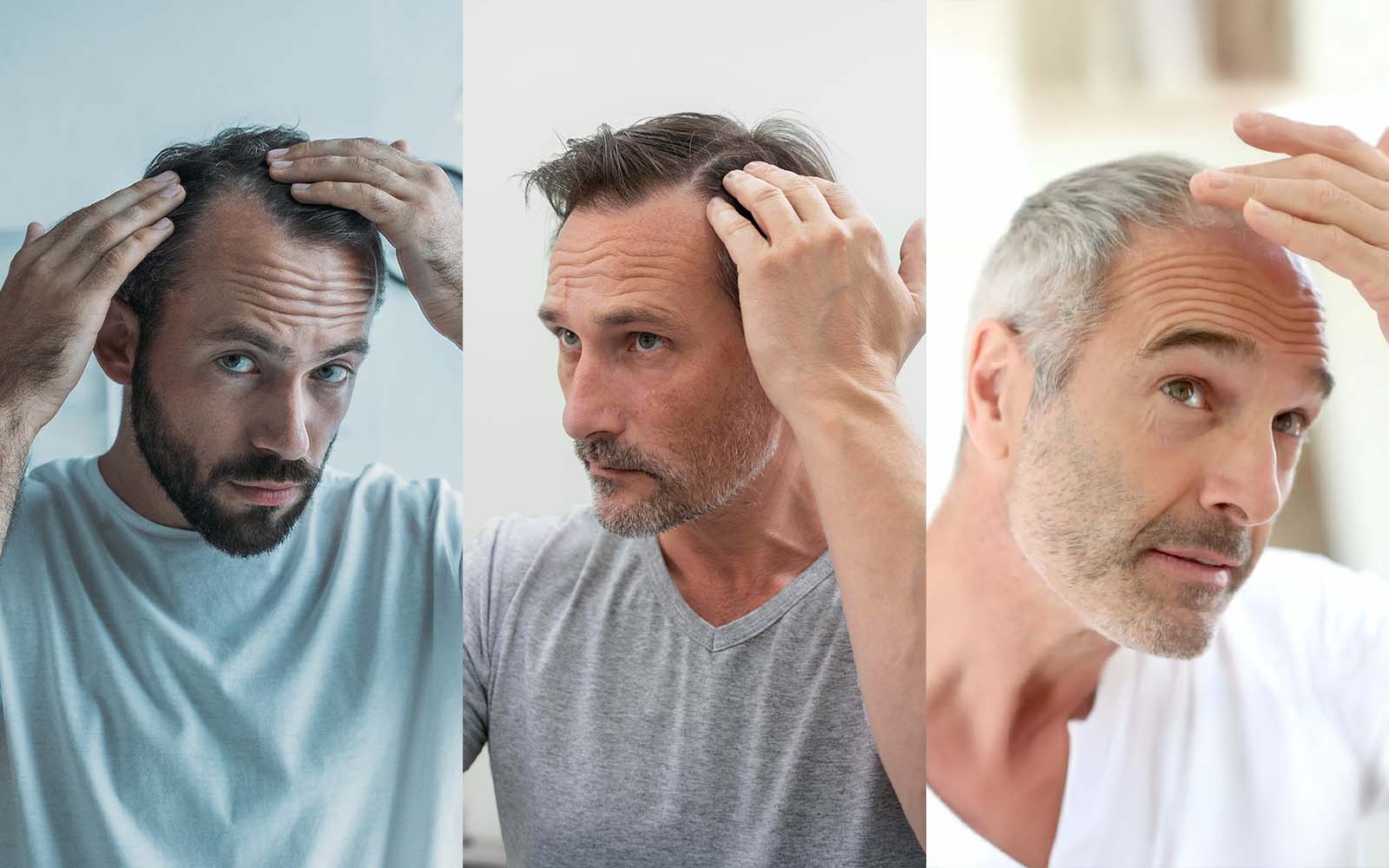
Effective preventing hair loss starts with knowing why hair thins in the first place and recognizing the earliest signs. Different causes call for different solutions, so a clear diagnosis is key.
Common Causes
Genetic / hormonal factors: Male and female pattern baldness (androgenetic alopecia) is the most common reason for hair thinning. Hormones like dihydrotestosterone (DHT) shrink follicles over time. Early action aimed at preventing hair loss can slow this process dramatically.
Medical conditions: Thyroid disorders, anemia, autoimmune diseases such as alopecia areata, and certain medications can all trigger shedding. Identifying these conditions with blood tests or scalp exams is essential for preventing hair loss linked to health problems.
Lifestyle & environmental factors: High stress, poor sleep, crash dieting, and exposure to pollution or UV rays can weaken follicles. Addressing these lifestyle issues is a vital step in preventing hair loss before it accelerates.
Early Warning Signs
- Gradual thinning on the crown or a widening hair part
- Excess hair in the shower drain or on pillows
- Receding hairline, especially around temples
- Scalp inflammation, itching, or flaking that disrupts normal growth cycles
Spotting these indicators early gives you more treatment options. Dermatologists can perform trichoscopy, scalp biopsies, or hormone panels to pinpoint the exact cause and build a personalized plan for preventing hair loss.
Dr. Ahmet Murat advises: “The sooner we understand the trigger—whether hormonal, nutritional, or stress-related—the better we can tailor treatments to protect existing hair.”
Key Takeaway
Knowing the root cause and catching early symptoms are the foundation of preventing hair loss effectively. A clear medical evaluation paired with lifestyle changes sets the stage for targeted therapies that protect and preserve hair density.
Diagnosis: Tests & Professional Consultation
A professional diagnosis is essential for preventing hair loss because it reveals the underlying reason for shedding and guides treatment choices. Even if you spot early signs at home, a dermatologist or trichologist can identify subtle factors that are easy to miss.
Main Diagnostic Steps
Scalp and hair analysis. A dermatologist examines the scalp with a dermatoscope or performs trichoscopy to assess follicle health, density, and miniaturization—critical for preventing hair loss from genetic or inflammatory causes.
Blood tests: Screening for thyroid function, iron levels, vitamin D, zinc, and hormone imbalances helps find systemic issues that can accelerate shedding. Treating these early is a core part of preventing hair loss.
Scalp biopsy: When diagnosis is unclear, a tiny tissue sample may be taken to rule out autoimmune disorders such as alopecia areata or scarring alopecias.
Pull and tug tests: Simple in-office tests measure how easily hairs detach, indicating whether loss is active and whether preventing hair loss measures are working.
When to Seek Help
Consult a professional if you notice:
- Rapid thinning or sudden bald patches
- Itching, burning, or scaling of the scalp
- Hair loss after illness, childbirth, or significant stress
- Family history of early baldness combined with new shedding
Dr. Ahmet Murat emphasizes: “Professional evaluation allows us to pinpoint the cause and begin targeted care quickly. Early medical insight greatly improves the success of preventing hair loss.”
Key Takeaway
Accurate testing and early consultation transform guesswork into a precise plan for preventing hair loss. With clear data—bloodwork, imaging, and scalp analysis—treatments can be customized for the best long-term results.
Lifestyle & Dietary Prevention Strategies

Everyday habits strongly influence hair health. Building the right lifestyle and nutrition plan is one of the most effective approaches for preventing hair loss before it becomes advanced.
Nutrient-Rich Eating
Hair follicles need a steady supply of protein, vitamins, and minerals to grow and stay strong. Key nutrients for preventing hair loss include:
- Protein and amino acids for keratin production (lean meats, eggs, legumes).
- Iron and zinc to support follicle growth and reduce shedding.
- Vitamin D and B-complex vitamins, particularly biotin, to promote healthy scalp circulation and follicle renewal.
- Omega-3 fatty acids from fish, walnuts, or flaxseed to decrease inflammation that can disrupt hair cycles.
A balanced diet like the Mediterranean or whole-foods approach provides these nutrients and helps maintain steady hormone levels critical for preventing hair loss.
Stress, Sleep & Hydration
Chronic stress raises cortisol, which can trigger telogen effluvium—a condition where hair prematurely enters the resting phase. Regular exercise, yoga, or meditation lowers stress hormones and supports preventing hair loss naturally.
Aim for 7–9 hours of quality sleep to allow follicle repair and growth. Adequate hydration keeps the scalp environment healthy and resilient.
Avoid Crash Diets
Rapid weight loss or restrictive diets can deprive hair of essential nutrients and lead to sudden shedding. Maintaining gradual, balanced weight management is key for preventing hair loss long term.
Dr. Ahmet Murat advises: “Nutrition and stress management are not side notes—they are central to keeping follicles strong. We often see dramatic improvements when patients focus on these basics early.”
Key Takeaway
Optimizing nutrition, managing stress, and keeping the body well-hydrated create a strong foundation for preventing hair loss. When combined with early diagnosis and targeted treatments, these lifestyle habits can significantly slow or even halt thinning.
Hair & Scalp Care Habits
Consistent scalp and hair care is another core pillar of preventing hair loss. Simple adjustments in your daily routine can protect follicles and reduce breakage, preserving thickness over time.
Gentle Cleansing & Conditioning
Wash your hair regularly with a mild, sulfate-free shampoo to remove oil, dirt, and buildup that can clog follicles. Pair with a lightweight conditioner to keep strands hydrated and flexible. Over-washing or using harsh detergents can dry the scalp and damage follicles, making preventing hair loss more difficult.
Limit Heat and Chemical Stress
Frequent heat styling, bleaching, or chemical straightening weakens the hair shaft. If heat styling is necessary, apply a thermal protectant and keep tools on a lower temperature. Reducing harsh treatments is key for preventing hair loss related to breakage.
Avoid Tight Hairstyles
Styles that pull tightly—like braids, ponytails, or buns—can cause traction alopecia, a preventable form of hair thinning. Wearing looser styles and varying your look helps maintain follicle integrity, supporting preventing hair loss long term.
Scalp Health & Stimulation
Regular scalp massage increases blood flow and nutrient delivery to follicles. Using products with gentle exfoliants can remove dead skin cells and promote a healthier scalp environment—both beneficial for preventing hair loss. Protecting the scalp from UV rays with hats or SPF sprays further reduces damage.
Dr. Ahmet Murat highlights: “A clean, well-nourished scalp creates the perfect conditions for hair to thrive. This daily care is just as vital as medical treatments for preventing hair loss.”
Key Takeaway
Gentle washing, reducing heat and chemicals, avoiding tight hairstyles, and protecting the scalp from sun and pollutants form a powerful daily strategy for preventing hair loss. These habits reinforce medical or nutritional efforts and help keep hair strong and full.
Medical / FDA-Approved Treatments & Maintenance

While lifestyle and scalp care are vital, some cases need medical intervention. Evidence-based treatments play a key role in preventing hair loss and promoting regrowth when genetics or hormonal factors are involved.
Topical Minoxidil
Minoxidil is an over-the-counter solution or foam applied directly to the scalp. It prolongs the growth phase of hair follicles and is clinically proven for both men and women. Using it consistently, as part of a broader plan for preventing hair loss, can slow thinning and stimulate regrowth. Visible improvement usually appears after three to six months of regular use.
Oral Finasteride
Finasteride is a prescription medication for men that blocks the hormone DHT, which shrinks hair follicles. By lowering DHT levels, it addresses one of the main drivers of male pattern baldness, making it a powerful option for preventing hair loss caused by genetics. Doctors monitor for possible side effects like decreased libido or mood changes.
Combination Therapy
Dermatologists often recommend combining minoxidil and finasteride for enhanced results. This dual approach can significantly increase the chances of preventing hair loss and boosting density compared to either treatment alone.
Other Medical Options
- Low-level laser therapy (LLLT): Devices such as laser caps stimulate follicles and can complement medical treatments.
- Platelet-rich plasma (PRP) injections: Concentrated growth factors from your blood encourage follicle activity and can support preventing hair loss when used alongside medications.
Dr. Ahmet Murat advises: “Starting medical therapy early gives follicles the best chance to stay active. When combined with lifestyle measures, these treatments form a robust defense for preventing hair loss.”
Key Takeaway
FDA-approved treatments like minoxidil, finasteride, and adjunct therapies such as PRP and LLLT are proven pillars for preventing hair loss. Early, consistent use—under medical guidance—offers the best chance to protect and thicken existing hair.
Natural & Adjunct Remedies with Evidence

Alongside medical treatments, certain natural approaches can complement a full strategy for preventing hair loss. While these methods are not stand-alone cures, research suggests they can support follicle health and reduce shedding when used consistently.
Botanical and Topical Options
- Rosemary oil has shown results similar to 2% minoxidil in some studies, improving scalp circulation and encouraging growth.
- Saw palmetto may block DHT, the hormone linked to pattern baldness, and can fit into a routine for preventing hair loss.
- Caffeine-based serums may stimulate follicles and extend the growth phase.
Nutritional Supplements
Biotin, zinc, vitamin D, and iron are critical for strong follicles. While deficiency is not the sole cause of hair loss, addressing low levels is important for preventing hair loss related to nutritional gaps. Always test before supplementing to avoid excess intake.
Scalp Stimulation
Regular scalp massage or microneedling devices can enhance blood flow and nutrient delivery to hair roots. These techniques can be used at home or in a clinic to support medical treatments aimed at preventing hair loss.
Lifestyle Adjuncts
Mind-body practices such as yoga, mindfulness, or light exercise help reduce cortisol levels. Lower stress not only benefits overall health but is also key in preventing hair loss triggered by chronic tension.
Dr. Ahmet Murat advises: “Natural remedies work best when they are evidence-based and used with medical treatments. We help patients choose options that truly support preventing hair loss, not fads without proof.”
Key Takeaway
Evidence-backed natural methods—such as rosemary oil, saw palmetto, targeted supplements, and scalp stimulation—offer supportive benefits for preventing hair loss. Integrating these with proven medical treatments and lifestyle strategies provides a comprehensive and sustainable approach.
Emerging & Experimental Treatments
Research on preventing hair loss continues to advance, offering new hope for those seeking stronger, longer-lasting solutions. While many of these options are still in trials or early clinical use, they show promising potential.
Stem Cell and Hair Follicle Cloning
Scientists are exploring the use of stem cells to regenerate dormant follicles or create new ones. Early studies suggest that stem cell–derived grafts could eventually help in preventing hair loss by replenishing damaged or depleted follicle cells. These procedures remain experimental and are not yet widely available, but clinical trials are progressing.
JAK Inhibitors
Originally developed for autoimmune conditions, JAK inhibitors like tofacitinib and ruxolitinib have shown success in certain forms of alopecia areata. These medications calm immune responses that attack hair follicles, representing a possible future option for preventing hair loss when autoimmunity is involved.
Exosome Therapy
Exosomes—tiny vesicles rich in growth factors—are being studied for their ability to stimulate follicle activity and improve scalp health. Clinics in some countries already offer exosome injections, but evidence is preliminary. Patients should seek reputable trials if considering this approach for preventing hair loss.
Advanced Topicals and Gene Editing
New topical compounds, including Wnt pathway activators and peptide-based formulas, aim to reactivate dormant follicles. In the long term, CRISPR-based gene editing may also play a role in preventing hair loss by modifying genes that influence follicle shrinkage.
Dr. Ahmet Murat observes: “These breakthroughs are exciting, but most are still in the research phase. For now, proven treatments combined with lifestyle care remain the strongest defense for preventing hair loss.”
Key Takeaway
Innovations such as stem cell therapy, JAK inhibitors, and exosome treatments point to a future where preventing hair loss could involve regenerating or reprogramming follicles. Until these therapies are widely available and validated, evidence-based medical and lifestyle strategies remain the most reliable path.
Preventive Routine Template
Building a consistent daily and weekly routine is one of the most effective strategies for preventing hair loss. This template brings together lifestyle habits, medical treatments, and natural remedies into an easy-to-follow plan.
Morning
- Gentle cleansing: Use a mild, sulfate-free shampoo three to four times per week to maintain scalp health.
- Topical treatment: Apply minoxidil or an evidence-based botanical like rosemary oil if recommended by your dermatologist.
- Nutrition boost: Start the day with a protein-rich breakfast containing eggs, Greek yogurt, or plant-based proteins to supply amino acids essential for preventing hair loss.
Daytime
- Hydration and balanced meals: Drink enough water and include iron, zinc, and vitamin D-rich foods such as leafy greens, fatty fish, and nuts to nourish follicles.
- Stress control: Short breaks with deep breathing, stretching, or meditation help keep cortisol low, supporting preventing hair loss triggered by stress.
Evening
- Scalp care: Light massage with fingertips or a soft brush to stimulate blood circulation and deliver nutrients to follicles.
- Medication adherence: Take finasteride or other prescribed medication as directed to help maintain hormonal balance for preventing hair loss.
Weekly & Monthly
- Microneedling or PRP (if advised): Schedule at-home or in-clinic sessions to enhance product absorption and follicle activity.
- Check progress: Take monthly scalp photos to monitor thickness and spot early changes—crucial for long-term preventing hair loss.
- Review supplements: Reassess vitamin intake based on seasonal changes and blood-test feedback.
Dr. Ahmet Murat stresses: “Consistency is key. Even the best treatments need a structured routine for preventing hair loss to achieve lasting results.”
Key Takeaway
Combining daily nutrition, stress management, scalp care, and appropriate medical treatments into a steady routine provides a powerful framework for preventing hair loss and maintaining healthy, strong hair over the years.
Pros & Cons Summary Table
Different strategies for preventing hair loss have unique strengths and limitations. Comparing them side by side can help you build a personalized plan that balances effectiveness, cost, and convenience.
| Strategy | Pros | Cons |
|---|---|---|
| Lifestyle & Diet | – Improves overall health while supporting hair – No prescription needed – Long-term sustainable for preventing hair loss |
– Results take time – Requires consistent effort – May not fully stop genetic thinning |
| Hair & Scalp Care Habits | – Reduces breakage and scalp inflammation – Low cost and easy to implement daily |
– Cannot reverse hormone-driven loss – Benefits depend on consistent routine |
| Medical Treatments (Minoxidil, Finasteride) | – Clinically proven for preventing hair loss – Effective for male and female pattern baldness – Noticeable results within months |
– Possible side effects (scalp irritation, hormonal changes) – Requires ongoing use to maintain gains |
| Natural & Adjunct Remedies | – Supports follicle health naturally – Can complement medical treatments – Generally minimal side effects |
– Varying scientific evidence – Results are subtle and slower |
| Emerging Therapies (Stem cells, JAK inhibitors, Exosomes) | – Potential for breakthrough solutions – May regenerate dormant follicles |
– Still experimental – Cost and availability uncertain – Long-term safety data limited |
Dr. Ahmet Murat explains: “A combined approach often works best. Patients who mix lifestyle, medical treatments, and targeted natural care see stronger, longer-lasting benefits for preventing hair loss.”
Key Takeaway
No single method works for everyone. Lifestyle and scalp care provide a foundation for preventing hair loss, medical treatments add clinically proven results, and natural or emerging therapies offer additional support. Choosing the right combination depends on the cause of hair loss, personal preferences, and professional guidance.
Decision Guide: Which Path Fits You?
Choosing the right strategy for preventing hair loss depends on your age, genetics, lifestyle, and comfort with medical treatments. Use this guide to match your needs with the most suitable options.
For Early Thinning or Strong Family History
If hair loss runs in your family or you’ve just noticed a widening part or receding hairline, combine lifestyle and dietary changes with medical treatments such as minoxidil or finasteride. Early medical action, together with consistent scalp care, is the most effective formula for preventing hair loss in genetically prone individuals.
For Stress-Related or Temporary Shedding
If shedding is linked to stress, illness, or recent pregnancy, focus on stress management, balanced nutrition, and gentle scalp care first. These steps often allow hair to regrow naturally. Medical treatments may be added later if shedding continues, but lifestyle changes are the foundation for preventing hair loss here.
For Those Preferring Natural Approaches
If you wish to avoid pharmaceuticals, evidence-based natural remedies like rosemary oil, saw palmetto, and regular scalp massage can provide supportive benefits. Pairing these with nutrient optimization and stress reduction is key for preventing hair loss while staying medication-free.
For Advanced or Rapid Hair Loss
When hair loss is rapid or extensive, consult a dermatologist quickly. You may benefit from medical treatments plus emerging therapies like PRP or low-level laser therapy to stabilize shedding. Early professional intervention improves outcomes for preventing hair loss in aggressive cases.
Dr. Ahmet Murat advises: “Your prevention plan should fit your lifestyle and medical profile. A combined, personalized approach gives the highest success rate for preventing hair loss.”
Key Takeaway
From early thinning to stress-related shedding, tailoring the mix of lifestyle habits, medical therapies, and natural support ensures the best chance of preventing hair loss and maintaining long-term hair density.
FAQs on Preventing Hair Loss
Can hair loss really be prevented?
In many cases, yes. Genetics play a big role, but early action—such as proper nutrition, stress control, and evidence-based treatments—significantly increases the chances of preventing hair loss or slowing its progression.
What vitamins are most important for preventing hair loss?
Key nutrients include iron, zinc, vitamin D, biotin, and protein. A balanced diet rich in these nutrients supports healthy follicles and is essential for preventing hair loss related to nutritional deficiencies.
How soon should I see a dermatologist about hair thinning?
Book an appointment as soon as you notice increased shedding, a widening part, or a receding hairline. Early diagnosis is critical for preventing hair loss and tailoring treatments effectively.
Does frequent washing or shampooing cause hair loss?
No. Gentle washing with a mild shampoo keeps the scalp clean and can aid in preventing hair loss by removing buildup that may block follicles.
Are natural remedies like rosemary oil effective?
Some natural remedies such as rosemary oil and saw palmetto show promise and can complement medical treatments. They are most helpful as part of a multi-step plan for preventing hair loss.
Can stress really lead to hair loss?
Yes. Chronic stress raises cortisol, which can trigger shedding. Stress management through meditation, exercise, and adequate sleep plays a vital role in preventing hair loss caused by hormonal imbalance.
Is minoxidil safe for long-term use?
Yes, when used as directed. It is FDA-approved and a proven option for preventing hair loss, but stopping treatment can lead to renewed shedding.
Do tight hairstyles contribute to hair loss?
Yes. Styles that pull on the scalp can cause traction alopecia. Choosing looser hairstyles is an easy step for preventing hair loss linked to mechanical tension.
How effective are emerging treatments like stem cell therapy?
These options are promising but still experimental. For now, standard medical treatments combined with lifestyle habits remain the most reliable methods for preventing hair loss.
Can hair grow back once it has completely fallen out?
It depends on the cause. Follicles that are dormant can often be reactivated, but scarred or destroyed follicles cannot. This is why early action in preventing hair loss is so important.
Conclusion
Healthy, full hair is easier to protect than to regrow. Acting early and consistently is the single best strategy for preventing hair loss and maintaining natural density over time. From balanced nutrition and stress management to dermatologist-guided treatments like minoxidil, finasteride, and PRP, every step contributes to long-term follicle strength.
This comprehensive guide showed how daily habits, medical therapies, and evidence-based natural remedies work together for preventing hair loss. We also explored diagnostic tools, emerging treatments such as stem-cell and JAK-inhibitor therapies, and personalized routines designed to keep your scalp healthy and follicles active.
Dr. Ahmet Murat emphasizes: “The earlier we act, the more hair we can save. Consistency and a tailored plan are key for preventing hair loss and enjoying lifelong results.”
If you are seeing early thinning or want a professional plan for preventing hair loss, now is the ideal time to act. Hermest Hair Clinic provides advanced diagnostics, personalized treatment plans, and long-term follow-up to help you protect every strand.
Schedule your free consultation today to receive a custom prevention strategy and detailed recommendations based on your hair type, health history, and lifestyle.